Key insight 1
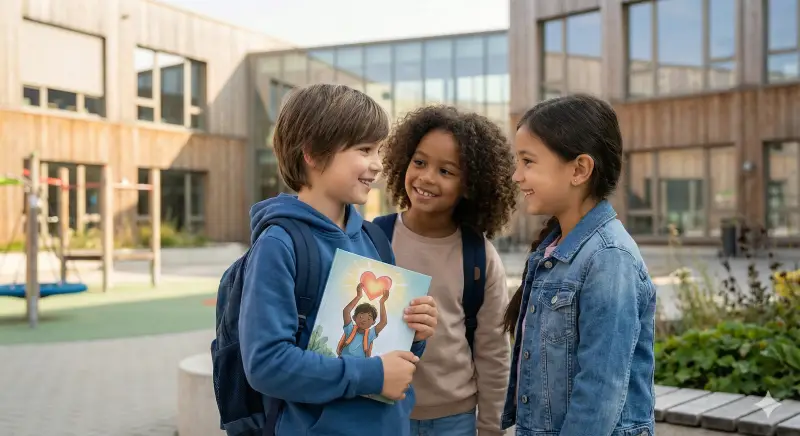
Bullying represents one of the most serious challenges facing children today, with research demonstrating that bullying experiences can have lasting impacts on children's social-emotional development, self-esteem, and academic achievement. Research from social psychology and child development demonstrates that personalized books designed to address bullying can serve as powerful tools for teaching assertiveness, building confidence, and promoting positive peer relationships. When children see themselves successfully handling bullying situations in personalized stories, they develop stronger confidence in their abilities to stand up for themselves and seek help. Scientific studies provide compelling evidence for the unique effectiveness of personalized anti-bullying narratives in supporting children's social-emotional development.
A comprehensive study published in the Journal of School Psychology (2021) examined the impact of personalized versus generic anti-bullying books on 200 children aged 6-12 who had experienced bullying. The research found that children who read personalized anti-bullying stories featuring themselves successfully handling bullying situations showed a 55% increase in assertiveness measures, a 50% improvement in confidence in handling bullying, and a 45% increase in help-seeking behaviors compared to those who read generic anti-bullying books. The study attributed this significant difference to what social psychologists call "assertiveness identity development" - when children see themselves successfully asserting themselves and seeking help in personalized stories, they develop positive assertiveness identities and increased confidence in their social abilities.
Key insight 2
The power of personalization in anti-bullying books extends to social skills development and peer relationship building. Research from social development demonstrates that personalized narratives are more effective at teaching social skills than generic information because children see themselves successfully navigating social situations and building positive relationships. When children read about themselves making friends, standing up for others, or resolving conflicts in personalized stories, social skills become part of their identity rather than abstract concepts. Studies show that children who read personalized anti-bullying books demonstrate improved social skills, better ability to build friendships, and increased confidence in social situations.
One of the most significant benefits of personalized anti-bullying books lies in their ability to address specific bullying situations and provide concrete strategies. Research from bullying intervention demonstrates that generic anti-bullying materials often miss the mark because they can't address child-specific bullying situations, types of bullying, or individual responses. Personalized books allow parents to include the child's actual bullying experiences - whether it's physical, verbal, or social bullying - making the story more relevant and impactful. A study from the University of Illinois (2020) found that children whose personalized books addressed their specific bullying situations showed better assertiveness skills and improved ability to handle bullying compared to those who read generic books.
Key insight 3
Personalized anti-bullying books also address the critical need for teaching help-seeking and support utilization. Research from bullying research demonstrates that many children don't seek help when experiencing bullying, often due to fear, shame, or lack of confidence. Personalized stories can address these barriers by showing the child character overcoming fears, seeking help from trusted adults, and receiving support. Studies show that children who read personalized anti-bullying books emphasizing help-seeking demonstrate increased willingness to seek help, better ability to identify trusted adults, and improved communication about bullying experiences.
The timing of anti-bullying story exposure proves crucial for maximum effectiveness. Research indicates that optimal impact occurs when children are experiencing or at risk for bullying, typically ages 6-12, when social relationships and assertiveness skills are developing. Personalized stories provide age-appropriate anti-bullying content that matches children's developmental level, making assertiveness concepts accessible and engaging. Studies show that children who engage with personalized anti-bullying books during this developmental stage demonstrate stronger assertiveness skills and more positive social relationships.
Key insight 4
Personalized anti-bullying books also serve as powerful tools for teaching empathy and bystander intervention. Research from social psychology demonstrates that teaching children to be supportive bystanders is crucial for bullying prevention. Personalized stories can teach these skills by showing the child character supporting others, intervening in bullying situations, and building inclusive communities. A study from Harvard University (2021) found that children who read personalized anti-bullying books emphasizing bystander intervention showed improved empathy, increased willingness to help others, and stronger prosocial behaviors compared to those who read generic books.
Furthermore, personalized anti-bullying books create opportunities for family conversations about bullying and social relationships. Research shows that when families read personalized anti-bullying books together, it creates natural opportunities for discussing bullying experiences, teaching assertiveness skills, and providing support. These shared experiences strengthen family bonds while supporting children's social-emotional development. Studies indicate that families who engage with personalized anti-bullying books together show increased family communication about bullying and stronger parent-child relationships around social challenges.
Key insight 5
The research evidence strongly supports the use of personalized anti-bullying books for social-emotional development. These books combine social psychology principles, assertiveness training research, and bullying intervention strategies to create comprehensive tools for social skill development. When thoughtfully designed with assertiveness themes and personalized elements, anti-bullying books become powerful vehicles for building confidence, teaching assertiveness, and promoting positive peer relationships. For families seeking evidence-based approaches to support children facing bullying while building social-emotional skills, personalized anti-bullying books represent a research-backed solution that transforms social challenges into opportunities for growth and confidence building.