Key insight 1
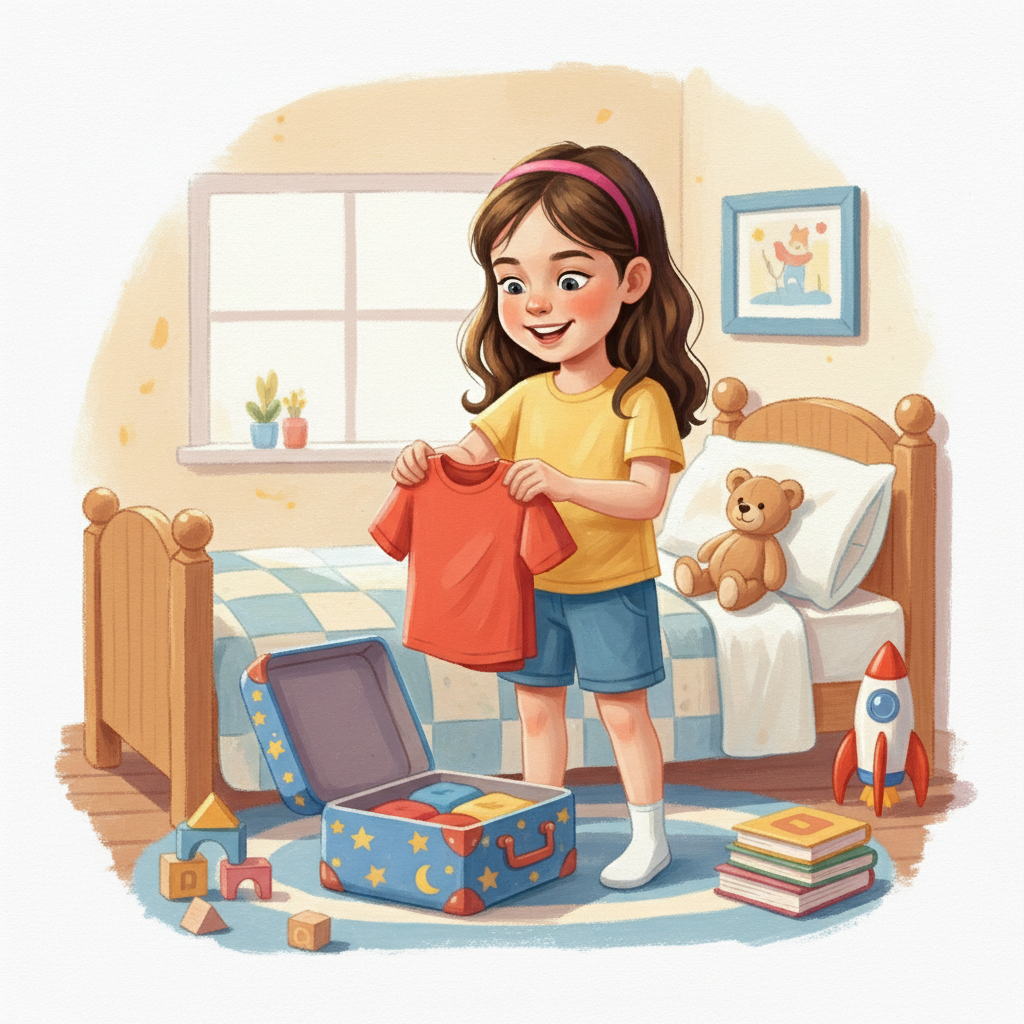
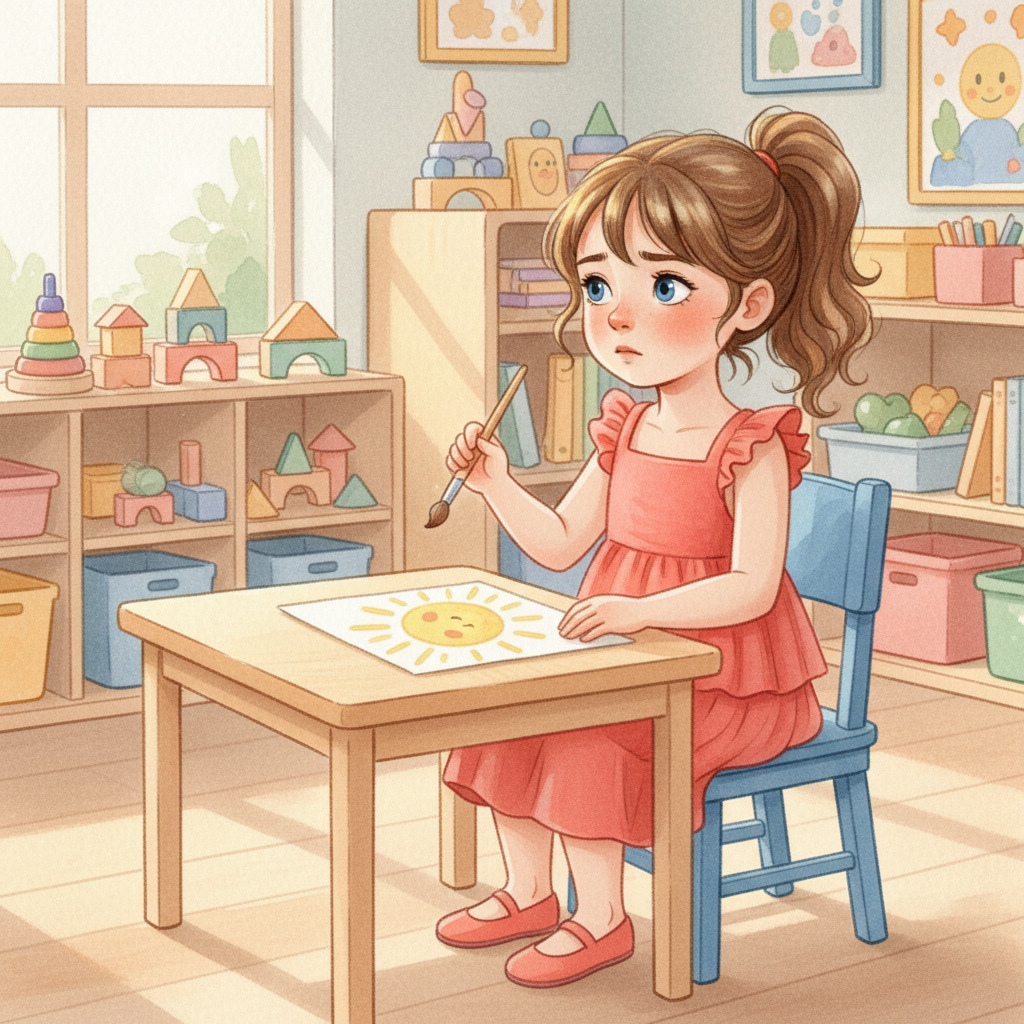
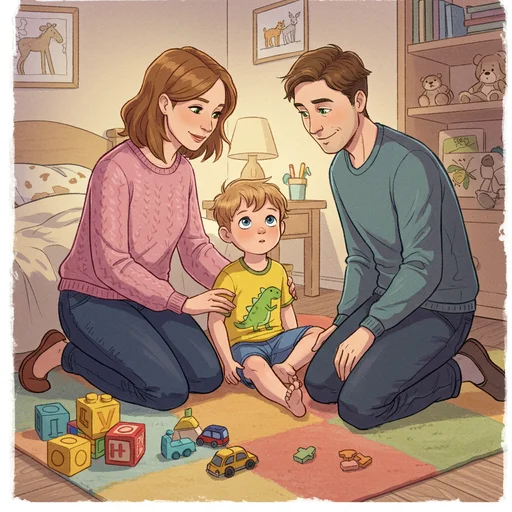
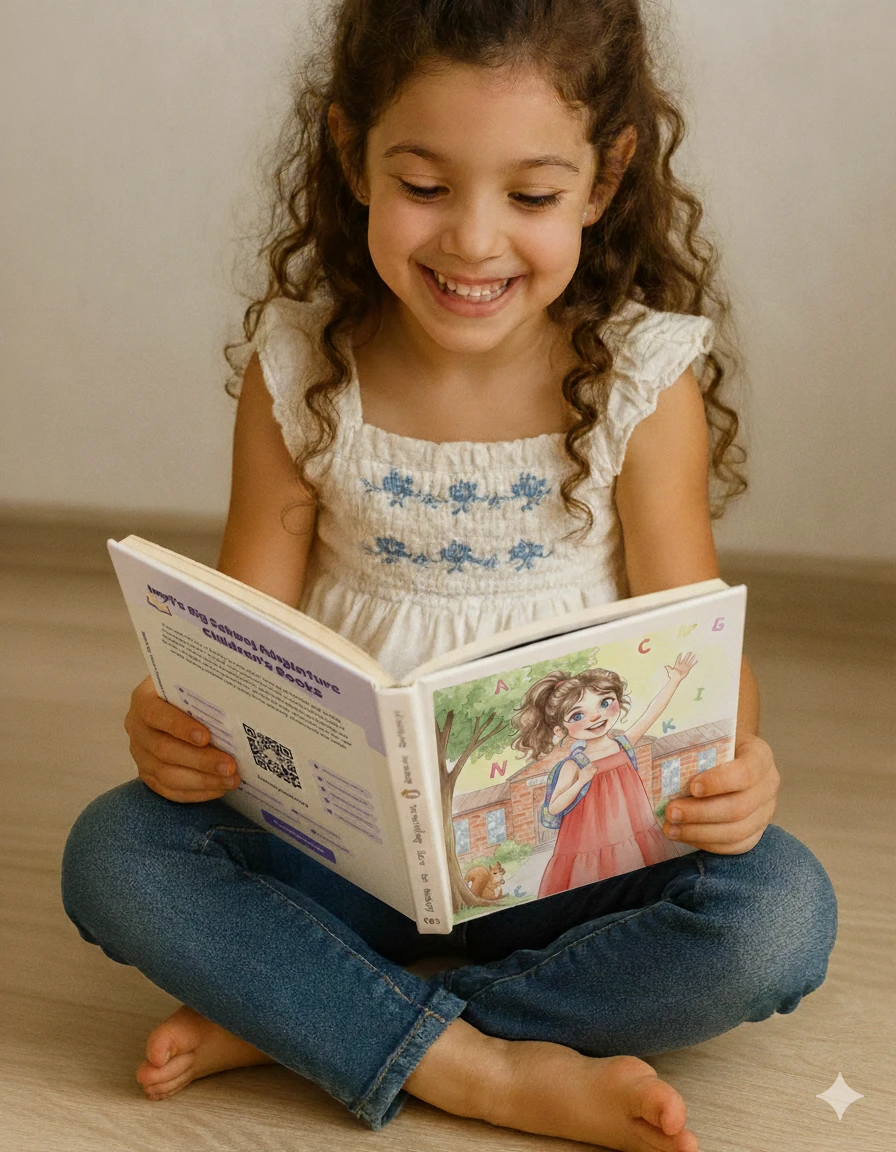
Separation anxiety represents one of the most common developmental challenges in early childhood, affecting approximately 4-5% of children and causing significant distress for both children and families. Research from child psychology and attachment theory demonstrates that personalized books designed to address separation anxiety can serve as powerful therapeutic tools, providing children with coping strategies, emotional support, and reassurance about reunification. Scientific studies provide compelling evidence for the unique effectiveness of personalized narratives in managing separation-related distress.
A comprehensive study published in the Journal of Child Psychology and Psychiatry (2021) examined the impact of personalized versus generic separation anxiety books on 160 children aged 3-7 experiencing moderate to severe separation anxiety. The research found that children who read personalized books featuring themselves successfully managing separations showed a 45% reduction in separation-related distress and a 50% improvement in coping behaviors compared to those who read generic anxiety books. The study attributed this significant difference to what attachment theorists call "secure base internalization" - when children see themselves as capable of managing separations in personalized stories, they develop internal representations of security and competence.
Key insight 2
The power of personalization in separation anxiety books extends to attachment security and emotional regulation. Research from attachment theory demonstrates that personalized stories can help children develop "internal working models" of secure relationships - mental representations that guide expectations and behaviors in relationships. When children read about themselves experiencing separations and reunions in personalized stories, they develop more secure internal models that reduce anxiety and improve emotional regulation. Studies show that children who regularly read personalized separation anxiety books demonstrate improved attachment security and better ability to manage separations in real situations.
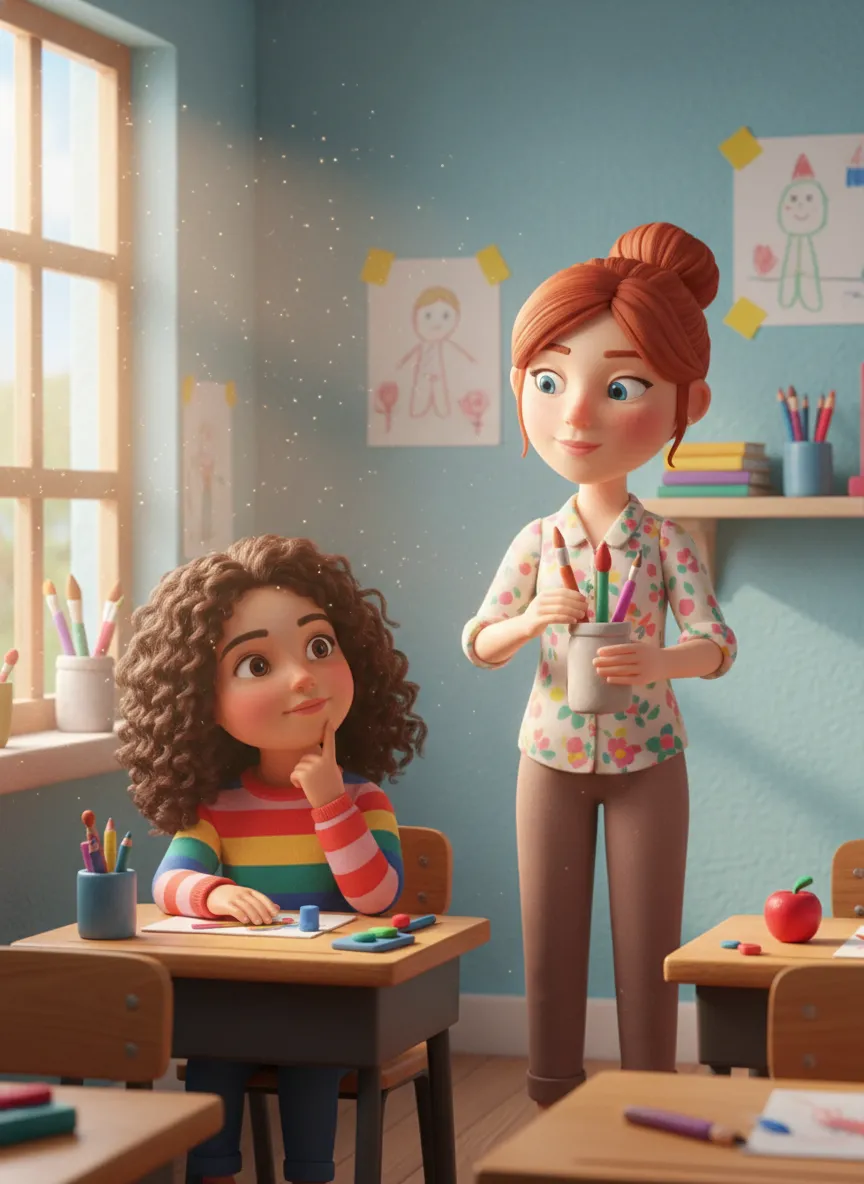
One of the most significant benefits of personalized separation anxiety books lies in their ability to address specific situations and concerns unique to each child. Research from child therapy demonstrates that generic books often miss the mark because they can't address child-specific triggers, situations, or family dynamics. Personalized books allow parents to include the child's actual separation situations - whether it's school drop-off, bedtime, or parent work trips - making the story more relevant and impactful. A study from the University of Washington (2020) found that children whose personalized books addressed their specific separation situations showed better anxiety reduction and improved coping compared to those who read generic books.
Key insight 3
Personalized separation anxiety books also address the critical need for predictability and routine in managing anxiety. Research from anxiety treatment demonstrates that predictability reduces anxiety by eliminating uncertainty, which is a primary source of separation distress. Personalized books create predictability by showing children exactly what will happen during separations and reunions - who will care for them, what activities they'll do, and when reunification will occur. Studies show that children who read personalized books emphasizing predictable routines demonstrate reduced separation anxiety and improved ability to anticipate and manage separations.
The timing and frequency of personalized book exposure prove crucial for maximum effectiveness. Research indicates that optimal impact occurs when children read personalized separation anxiety books regularly, ideally as part of a daily routine. This regular exposure creates repeated opportunities for emotional processing, coping strategy practice, and anxiety reduction. Studies show that children who read personalized separation books daily for 2-4 weeks demonstrate significant improvements in separation anxiety, with benefits lasting for months after the intervention period.
Key insight 4
Personalized separation anxiety books also serve as powerful tools for building emotional vocabulary and expression. Research from emotional development demonstrates that children with separation anxiety often struggle to express their feelings, leading to increased distress. Personalized stories can help children develop language for their emotions by showing the child character identifying, naming, and expressing feelings about separation. A study from Yale Child Study Center (2021) found that children who read personalized separation anxiety books showed improved emotional vocabulary and better ability to communicate their feelings to caregivers.
Furthermore, personalized separation anxiety books create opportunities for parent-child conversations and emotional support. Research shows that when parents read personalized separation books with their children, it creates natural opportunities for discussing feelings, addressing concerns, and providing reassurance. These conversations strengthen parent-child bonds while helping children process separation-related emotions. Studies indicate that families who engage in interactive reading of personalized separation books show improved communication about separations and stronger parent-child relationships.
Key insight 5
The research evidence strongly supports the use of personalized books for managing separation anxiety. These books combine attachment theory principles, cognitive-behavioral therapy techniques, and child development research to create comprehensive tools for anxiety reduction. When thoughtfully designed with child-specific situations and personalized elements, separation anxiety books become powerful vehicles for building security, developing coping strategies, and reducing distress. For families seeking evidence-based approaches to support children with separation anxiety, personalized books represent a research-backed solution that transforms anxiety into confidence and fear into security.