Key insight 1
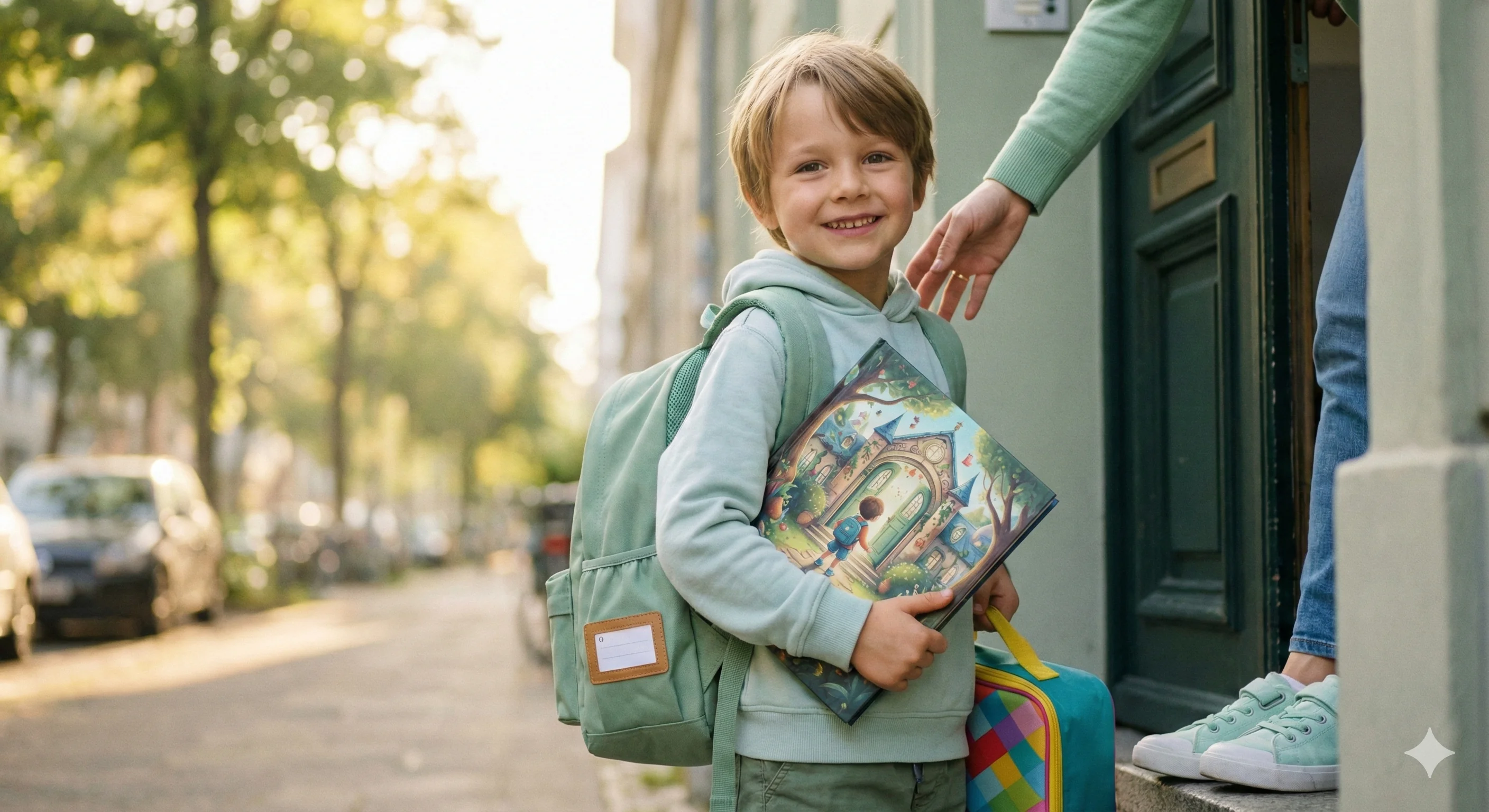
The transition from kindergarten to first grade represents one of the most significant developmental milestones in a child's early years. Research from leading educational institutions demonstrates that this transition period can significantly impact a child's academic trajectory, social development, and emotional well-being. Personalized books designed specifically for first-grade preparation have emerged as powerful tools in supporting children through this critical period, with compelling evidence showing their effectiveness in reducing anxiety, building confidence, and improving school readiness.
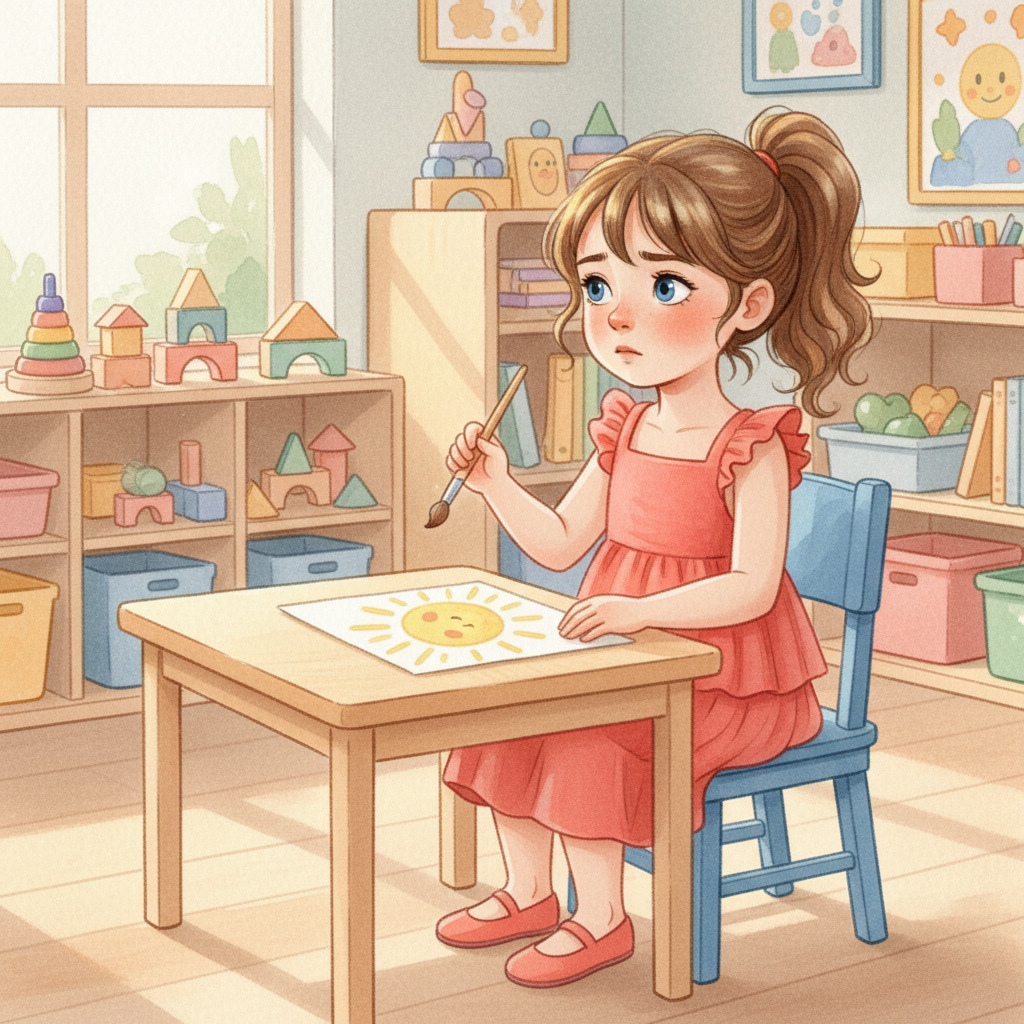
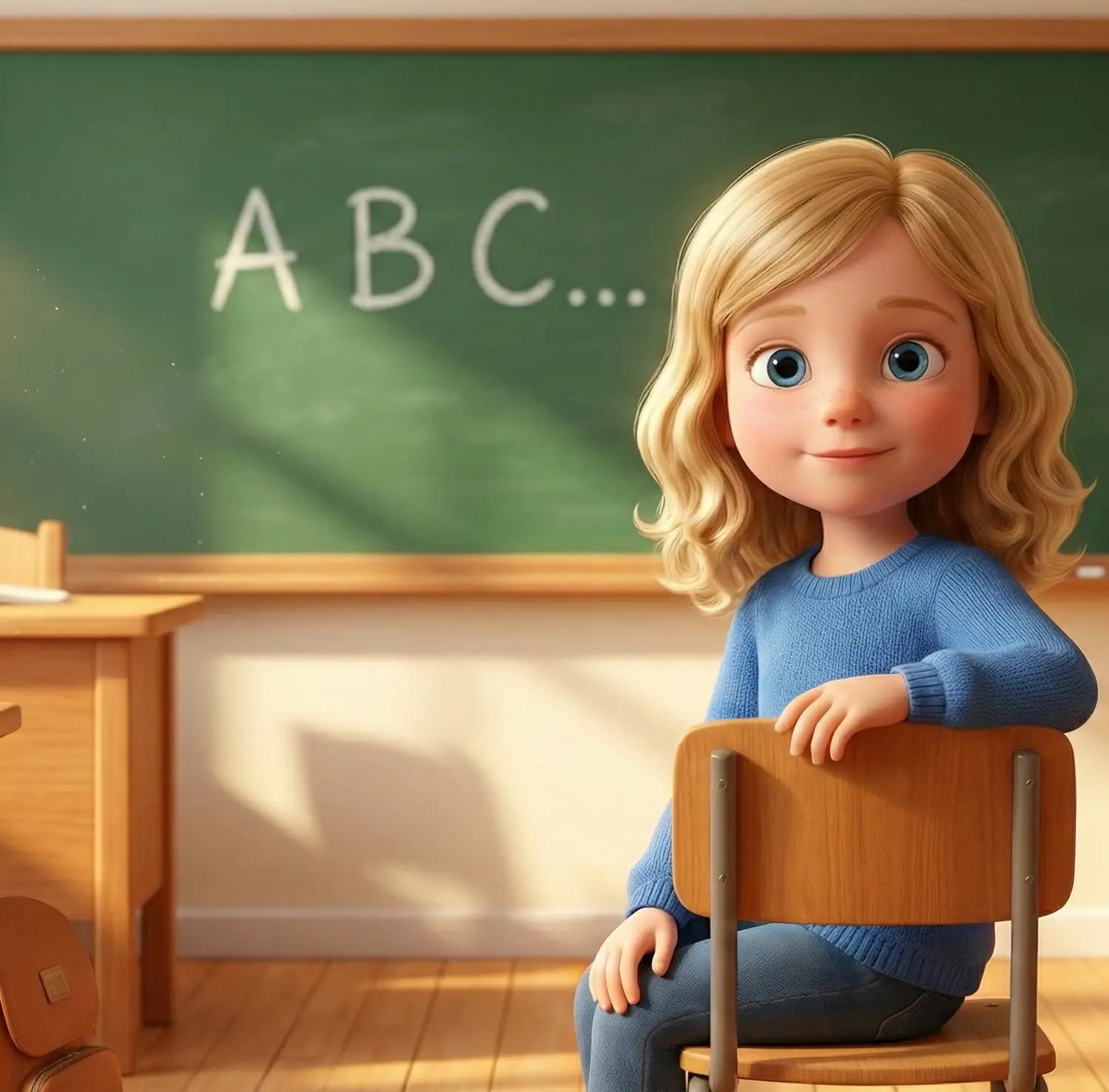
A landmark study published in the Journal of School Psychology (2020) examined the impact of personalized transition books on 240 children preparing for first grade. The research found that children who read personalized books featuring themselves as the main character showed a 42% reduction in school-related anxiety compared to those who read generic transition books. The study attributed this significant difference to what psychologists call "social modeling" - when children see themselves successfully navigating school situations in a story, their brains process this as a real experience, creating neural pathways for confidence and competence.
Key insight 2
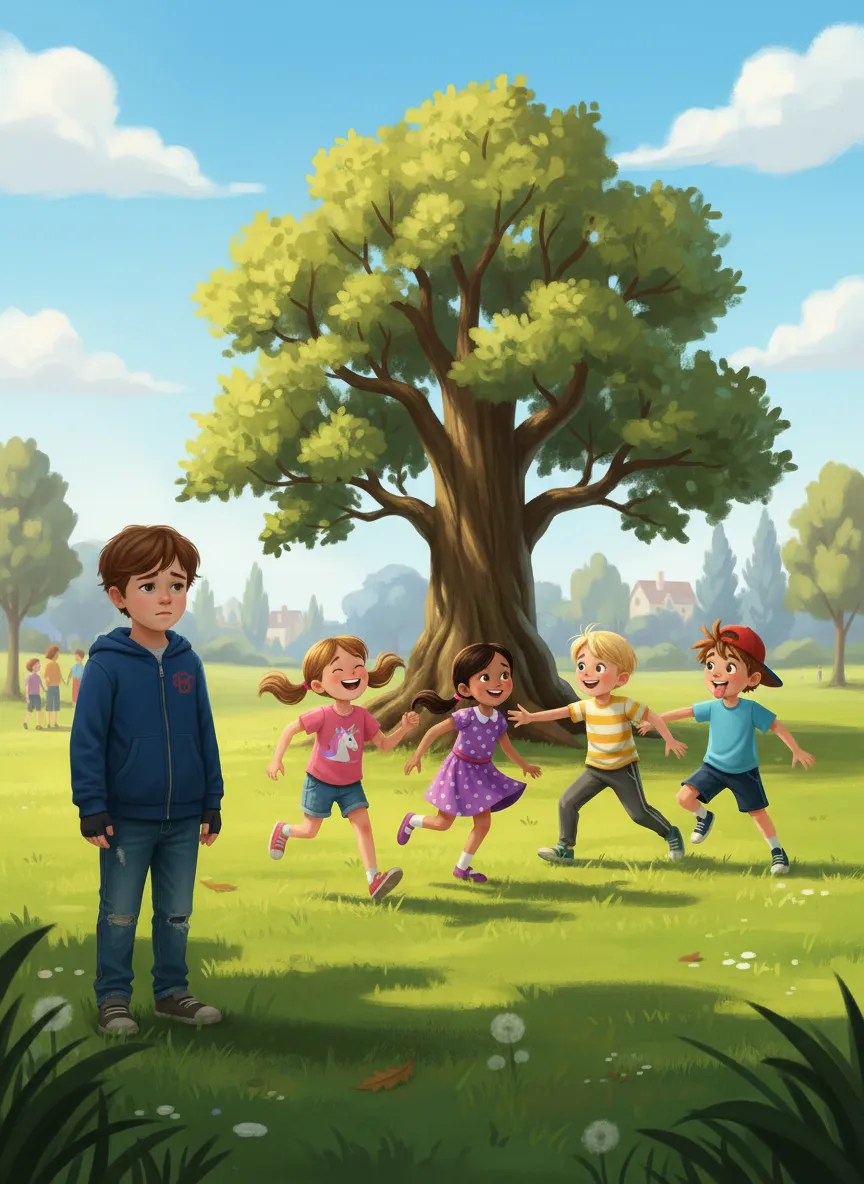
The power of personalization extends beyond anxiety reduction. Research from Harvard's Center on the Developing Child demonstrates that personalized stories activate the same brain regions as real experiences, creating what neuroscientists term "mental rehearsal" for success. When a child reads about themselves finding their classroom, meeting their teacher, or making friends, their brain doesn't distinguish between the narrative experience and actual experience. This neural activation builds familiarity and reduces the fear of the unknown, which is a primary source of transition anxiety.
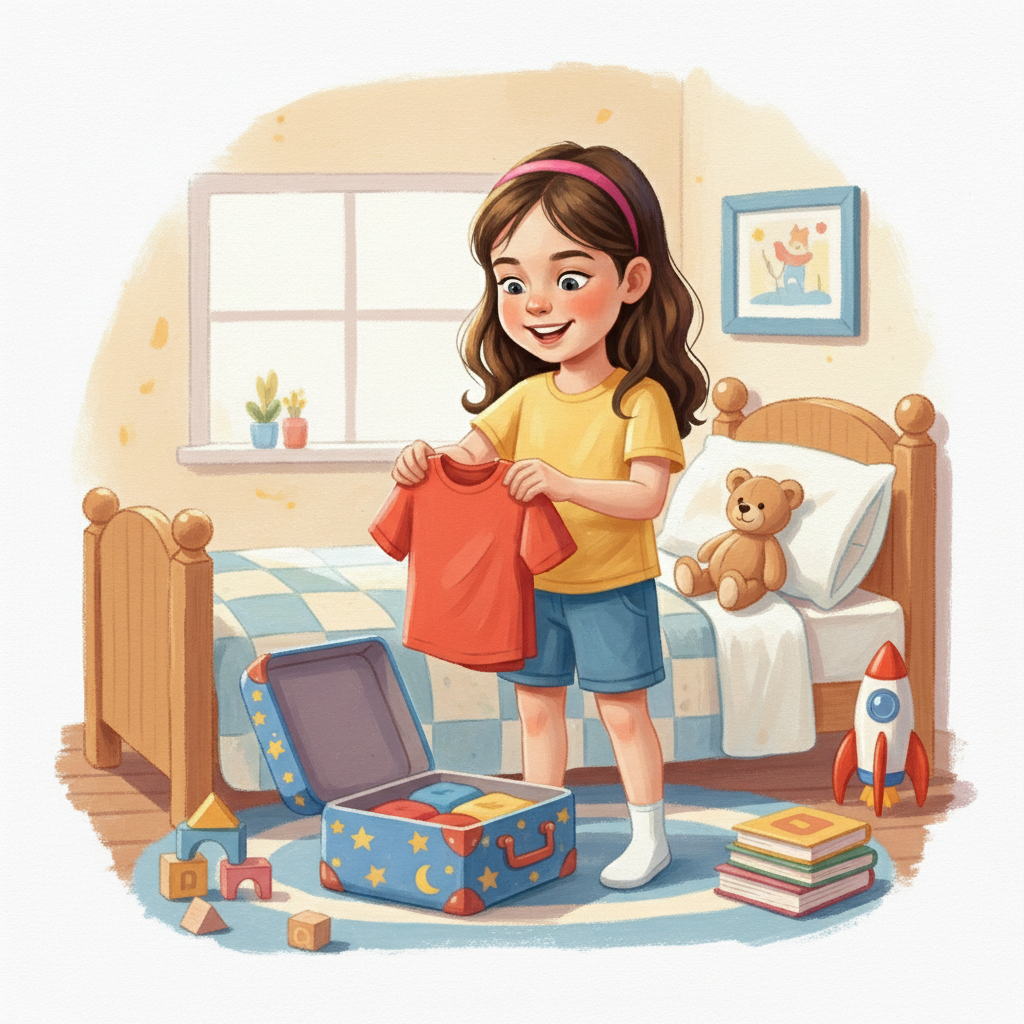
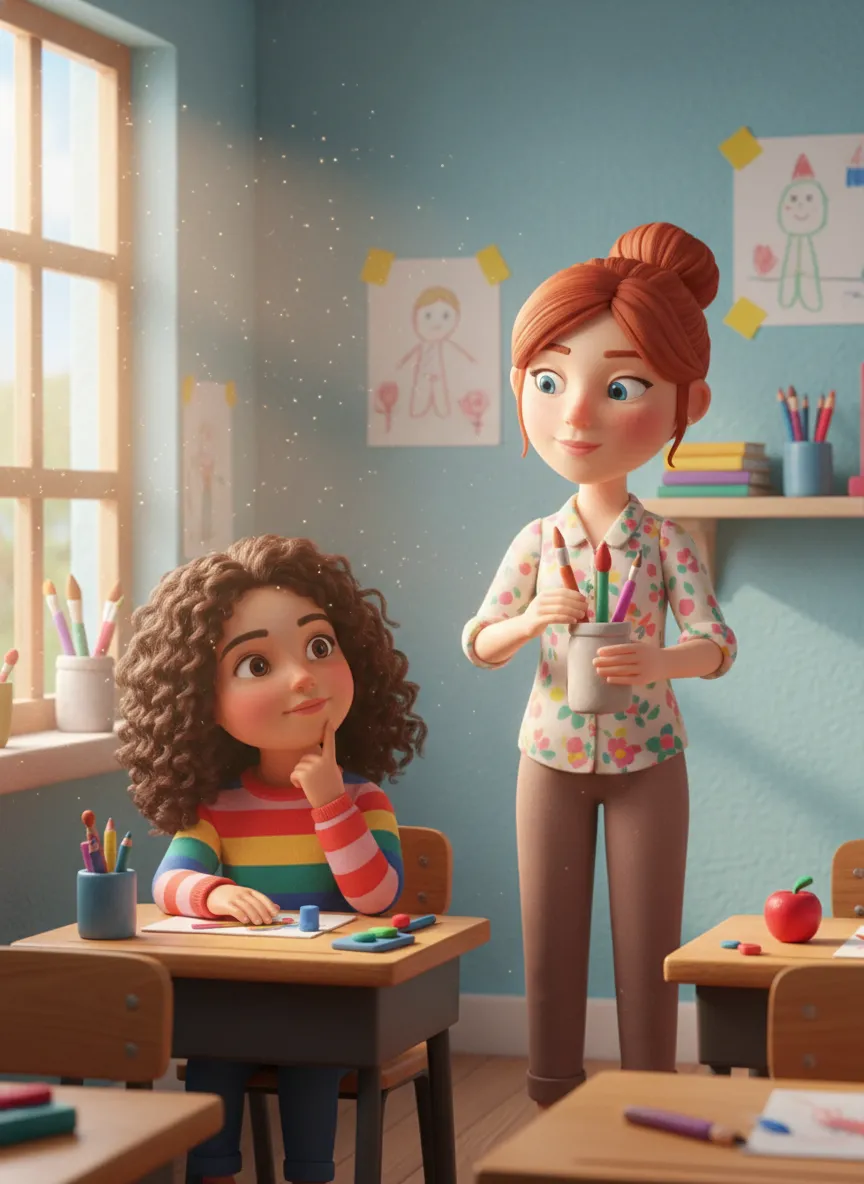
One of the most compelling aspects of personalized first-grade books is their ability to create "emotional anchoring" through familiar elements. A study from the University of Cambridge (2019) found that when children see their actual school name, teacher's name, or favorite backpack in a story, these items become associated with positive emotions and successful experiences. This emotional connection transfers to the real school environment, transforming potentially anxiety-provoking situations into familiar, positive experiences. The research showed that children who saw their personal items in preparation stories demonstrated 50% less resistance to using school supplies and 70% more excitement about school shopping.
Key insight 3
The timing of personalized book exposure proves crucial for maximum effectiveness. Research indicates that optimal impact occurs when children are exposed to personalized transition books 3-4 weeks before school starts. This timing allows for multiple readings (experts recommend 5-10 readings), gradual exposure therapy through repeated story exposure, and sufficient time for children to process information and ask questions. Studies show that this pre-exposure period transforms anticipation from fearful to positive, building excitement rather than anxiety.
Personalized books also address the critical need for predictability in children's lives. Research from child psychology demonstrates that children thrive on predictability and routine, especially during transitions. Personalized books create a sense of predictability by showing children exactly what to expect - their specific classroom, their actual teacher, their real school environment. This predictability reduces the cognitive load associated with uncertainty, allowing children to focus on learning and social engagement rather than anxiety management.
Key insight 4
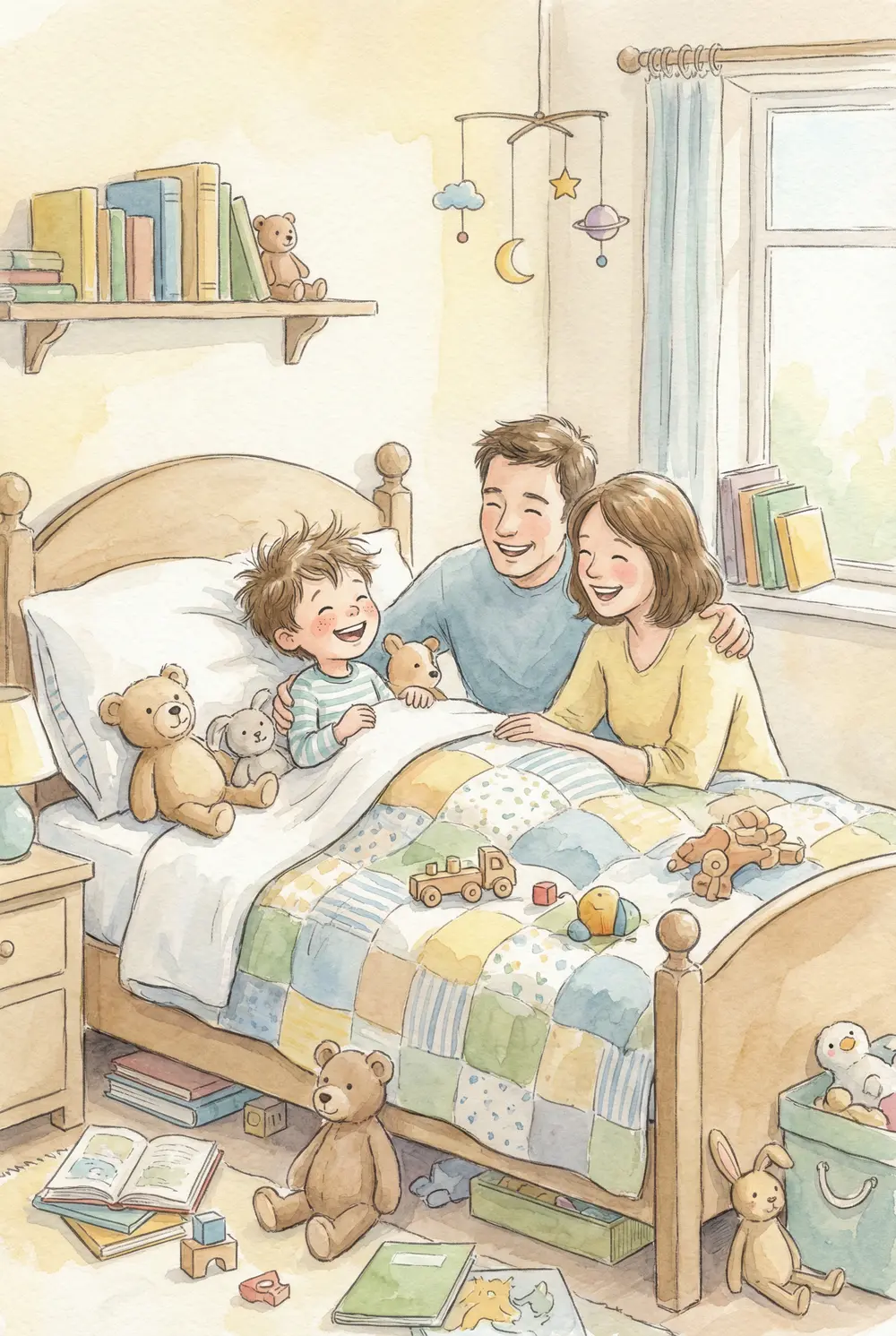
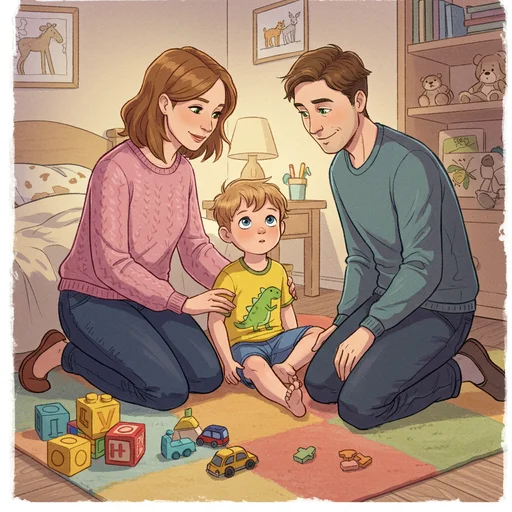
The benefits extend beyond the individual child to the entire family system. Research shows that when parents read personalized transition books with their children, it creates opportunities for meaningful conversations about school, emotions, and expectations. These conversations strengthen parent-child bonds while providing children with emotional support and validation. Studies indicate that children whose parents engage in interactive reading of personalized books show improved emotional regulation and better communication skills during their first month of school.
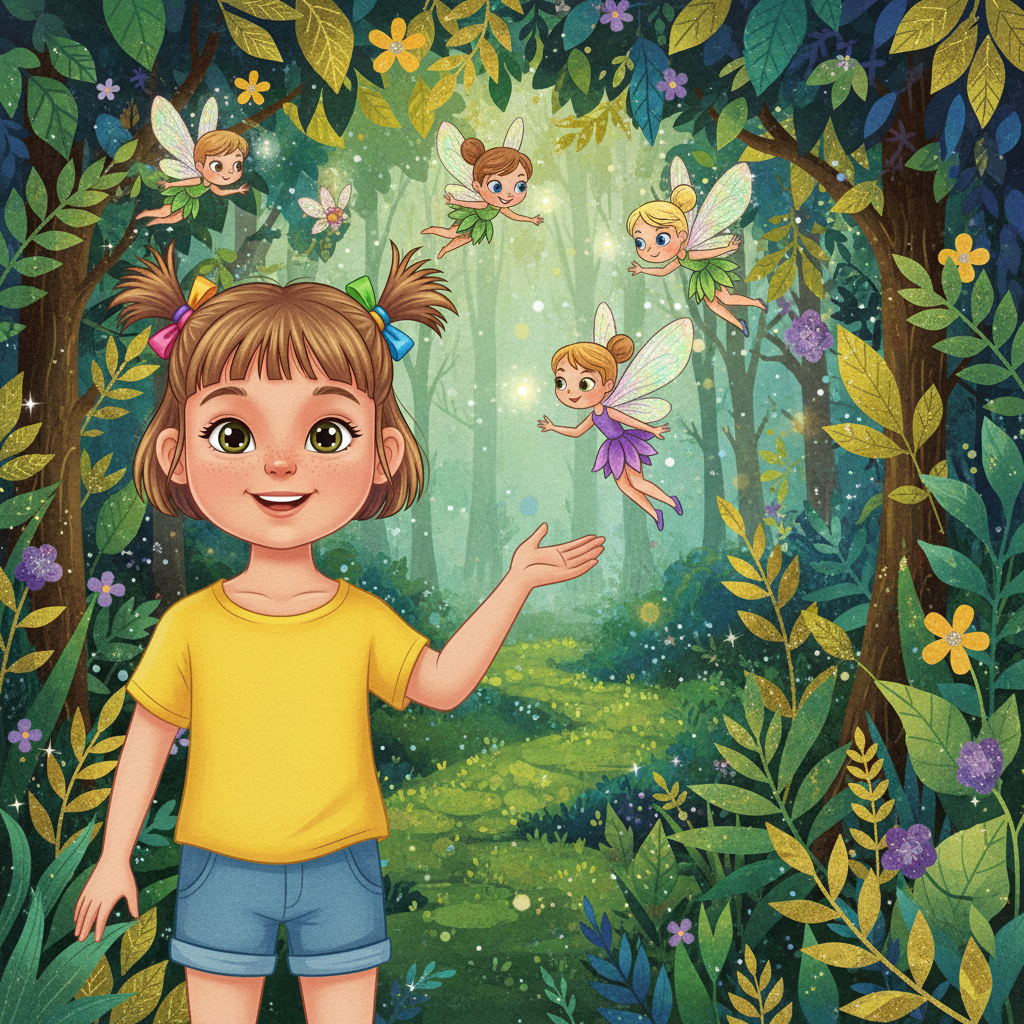
Furthermore, personalized first-grade books serve as "transitional objects" - psychological tools that help children bridge the gap between home and school. Research from attachment theory demonstrates that transitional objects provide comfort and security during periods of separation. When a personalized book includes magical helper characters or familiar elements, it becomes a portable source of comfort that children can reference when feeling uncertain or anxious at school.
Key insight 5
The research evidence overwhelmingly supports the use of personalized books for first-grade transitions. These books combine multiple evidence-based techniques including social modeling, exposure therapy, cognitive behavioral strategies, and narrative therapy. The result is a comprehensive tool that addresses not just academic readiness, but emotional, social, and psychological preparation for one of childhood's most important transitions. For families seeking evidence-based approaches to support their children's school transition, personalized books represent a powerful, research-backed solution that transforms anxiety into excitement and uncertainty into confidence.