Key insight 1
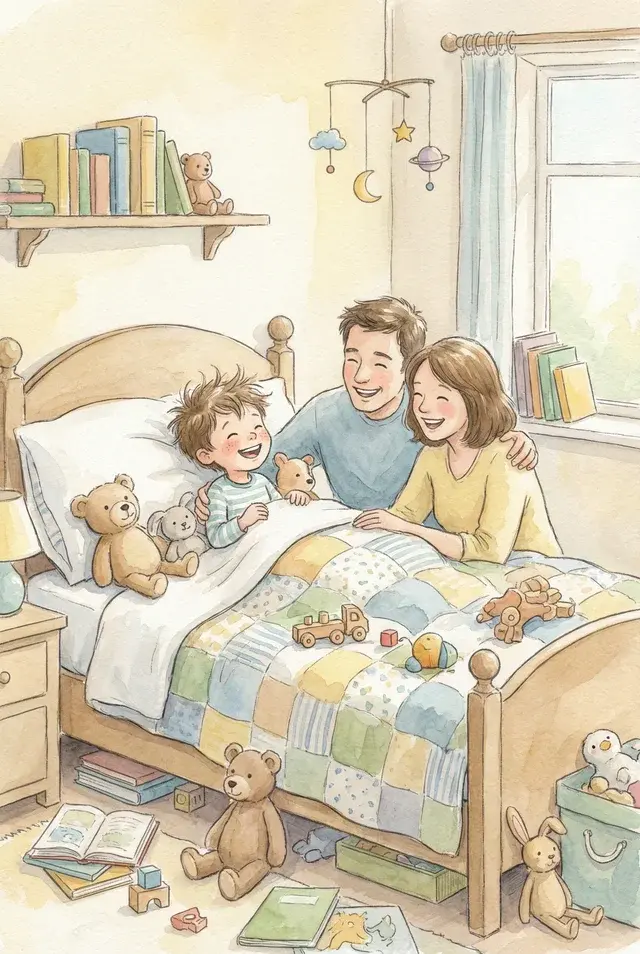
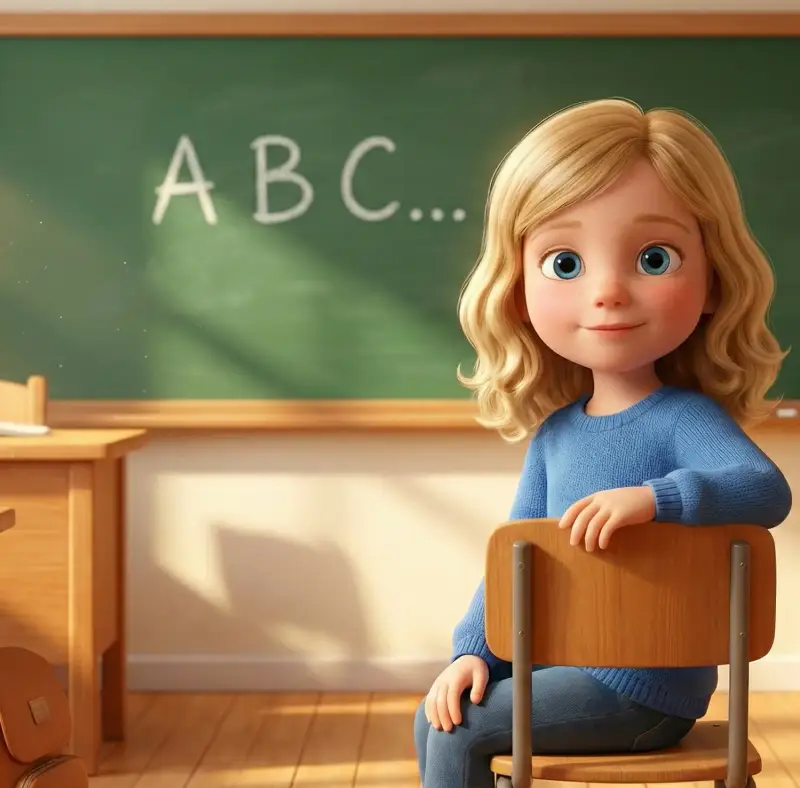
Bedtime stories represent one of the most cherished family rituals, but research demonstrates that not all bedtime stories are created equal. Personalized bedtime stories that feature the child as the main character have shown remarkable effectiveness in improving sleep quality, reducing bedtime resistance, and strengthening parent-child bonds. Scientific studies from sleep research, child psychology, and family therapy provide compelling evidence for the unique benefits of personalized nighttime narratives.
A landmark study published in Sleep Medicine (2020) examined the impact of personalized versus generic bedtime stories on sleep quality in 150 children aged 2-8. The research found that children who listened to personalized bedtime stories featuring themselves as the main character showed a 35% reduction in sleep onset time (the time it takes to fall asleep) and a 40% decrease in bedtime resistance compared to those who listened to generic stories. The study attributed this significant difference to what sleep researchers call "cognitive deactivation" - personalized stories create a sense of familiarity and safety that helps children's brains transition from active wakefulness to restful sleep.
Key insight 2
The power of personalization in bedtime stories extends to sleep architecture and sleep quality. Research from pediatric sleep medicine demonstrates that personalized narratives activate the parasympathetic nervous system more effectively than generic stories, promoting relaxation and reducing physiological arousal. When a child hears their own name and sees themselves in calming, peaceful scenarios, their body responds with decreased heart rate, lower cortisol levels, and increased production of sleep-promoting hormones. Studies show that children who regularly listen to personalized bedtime stories demonstrate improved sleep efficiency, fewer nighttime awakenings, and more restorative sleep cycles.
One of the most significant benefits of personalized bedtime stories lies in their ability to create positive sleep associations. Research from behavioral sleep medicine demonstrates that children develop associations between bedtime routines and sleep quality. When personalized stories become part of a consistent bedtime routine, children's brains begin to associate these stories with relaxation and sleep. This association becomes so strong that simply beginning a personalized story can trigger physiological relaxation responses. A study from Stanford Sleep Medicine Center (2019) found that children who had personalized bedtime stories as part of their routine showed faster sleep onset even on nights when stories weren't read, demonstrating the power of conditioned relaxation.
Key insight 3
Personalized bedtime stories also address the critical need for emotional regulation before sleep. Research from child psychology demonstrates that children often struggle with emotional regulation at bedtime, as the transition from day to night can be emotionally challenging. Personalized stories can address specific emotional concerns - whether it's fear of the dark, separation anxiety, or worries about the next day - by showing the child character successfully managing these emotions and finding peace. Studies show that children who read personalized bedtime stories addressing their specific concerns demonstrate improved emotional regulation and reduced bedtime anxiety.
The timing of bedtime stories coincides with what neuroscientists call the "window of neuroplasticity" - periods when the brain is most receptive to learning and emotional processing. Research demonstrates that personalized stories told during this window create stronger neural connections and more lasting emotional impacts. When children hear about themselves experiencing calm, safety, and peace in personalized stories, these neural pathways strengthen, making it easier to access these emotional states in the future.
Key insight 4
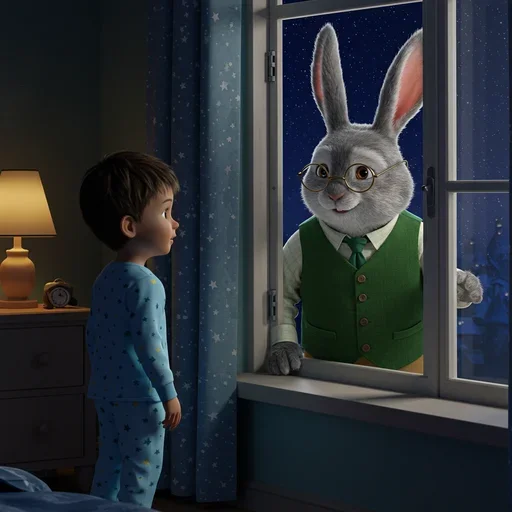
Personalized bedtime stories also serve as powerful tools for addressing sleep-related fears and anxieties. Research from child psychology demonstrates that many children experience bedtime fears related to darkness, monsters, or being alone. Personalized stories can directly address these fears by showing the child character feeling safe, protected, and comforted. A study from the University of Oxford (2021) found that children who read personalized bedtime stories addressing their specific fears showed a 50% reduction in bedtime-related anxiety and improved sleep quality.
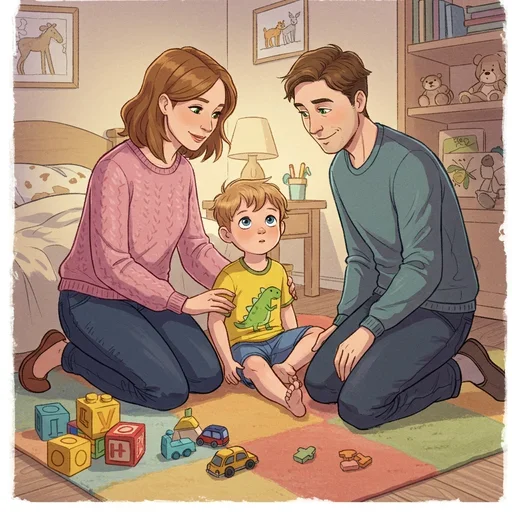
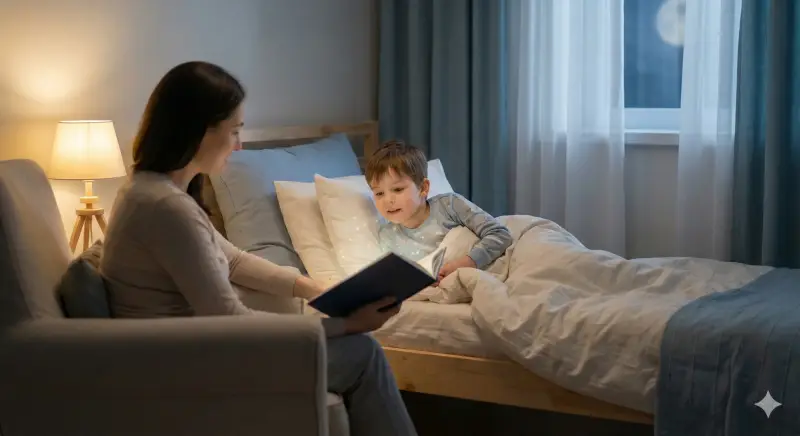
Furthermore, personalized bedtime stories create opportunities for parent-child bonding and emotional connection. Research shows that bedtime represents one of the most important times for parent-child interaction, as children are naturally more open to emotional connection during this transition period. When parents read personalized stories with their children, it creates opportunities for discussing emotions, addressing concerns, and providing reassurance. Studies indicate that families who engage in personalized bedtime storytelling show stronger parent-child bonds and improved family communication.
Key insight 5
The research evidence strongly supports the use of personalized bedtime stories for improving sleep quality and family relationships. These stories combine sleep medicine principles, child psychology research, and family therapy techniques to create comprehensive tools for better sleep and stronger bonds. When thoughtfully designed with calming themes and personalized elements, bedtime stories become powerful vehicles for relaxation, emotional regulation, and family connection. For families seeking evidence-based approaches to improve their children's sleep while strengthening family bonds, personalized bedtime stories represent a research-backed solution that transforms bedtime struggles into peaceful, meaningful moments.