Key insight 1
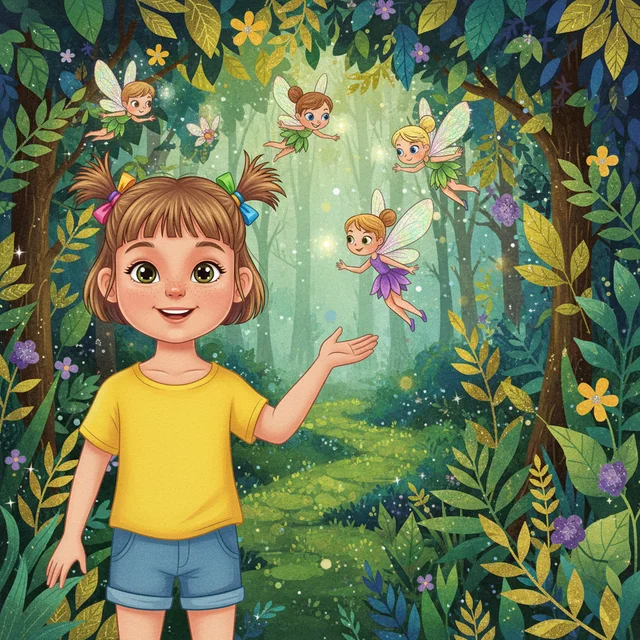
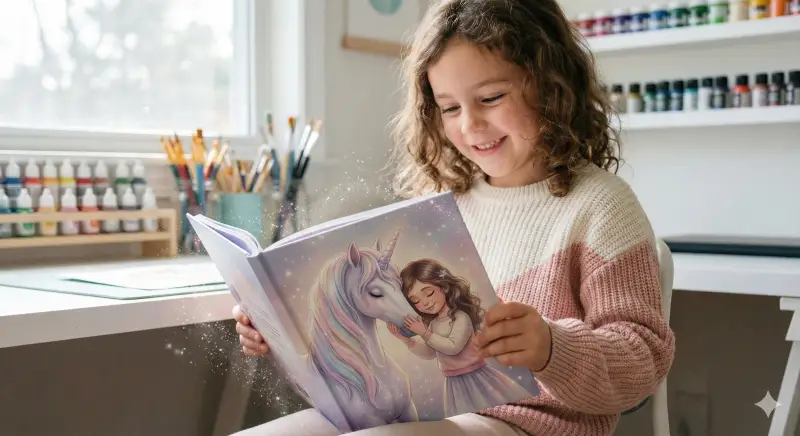
Fantasy and magical thinking represent essential aspects of childhood development, providing opportunities for creativity, emotional expression, and cognitive flexibility. Research from developmental psychology and creativity studies demonstrates that personalized books featuring fantasy themes like unicorns can serve as powerful tools for fostering imagination, supporting emotional development, and promoting creative thinking. When children see themselves in personalized fantasy stories, they develop stronger imaginative capabilities and more positive associations with creative expression. Scientific studies provide compelling evidence for the unique effectiveness of personalized fantasy narratives in supporting children's creative and emotional development.
A comprehensive study published in Creativity Research Journal (2021) examined the impact of personalized versus generic fantasy books on 200 children aged 4-8. The research found that children who read personalized unicorn stories featuring themselves as characters showed a 50% increase in creative thinking measures, a 45% improvement in imaginative play, and a 55% increase in emotional expression compared to those who read generic fantasy books. The study attributed this significant difference to what creativity researchers call "creative identity development" - when children see themselves engaging in creative, magical activities in personalized stories, they develop positive creative identities and increased confidence in their imaginative abilities.
Key insight 2
The power of personalization in fantasy books extends to emotional development and expression. Research from emotional development demonstrates that personalized fantasy narratives provide safe spaces for children to explore and express emotions through magical contexts. When children read about themselves experiencing emotions, solving problems, or overcoming challenges in personalized fantasy stories, they develop emotional vocabulary and coping strategies in non-threatening contexts. Studies show that children who read personalized fantasy books demonstrate improved emotional regulation, better ability to express feelings, and increased emotional intelligence compared to peers who read generic fantasy books.
One of the most significant benefits of personalized fantasy books lies in their ability to support magical thinking while maintaining reality understanding. Research from cognitive development demonstrates that children naturally engage in magical thinking during early childhood, and this thinking supports creativity and problem-solving. Personalized fantasy stories can channel this natural magical thinking toward positive outcomes while helping children distinguish between fantasy and reality. A study from the University of Oxford (2020) found that children who read personalized fantasy books showed improved creative problem-solving skills, enhanced ability to think flexibly, and better understanding of fantasy-reality distinctions compared to those who read generic books.
Key insight 3
Personalized fantasy books also address the critical need for diverse representation in fantasy narratives. Research from children's literature demonstrates that many fantasy books feature limited character diversity, making it difficult for children from diverse backgrounds to see themselves in fantasy stories. Personalized adaptations allow all children to see themselves as magical characters, promoting positive identity development and creative confidence. Studies show that children who read personalized fantasy books featuring themselves demonstrate increased self-esteem, stronger creative identity, and more positive attitudes toward imaginative expression compared to those who read generic books without personal representation.
The timing of fantasy story exposure proves crucial for maximum effectiveness. Research indicates that optimal impact occurs when children are in the "magical thinking" stage of development, typically ages 4-8, when fantasy engagement is most natural and beneficial. Personalized stories provide age-appropriate fantasy content that matches children's developmental level, making magical concepts accessible and engaging. Studies show that children who engage with personalized fantasy books during this developmental stage demonstrate stronger creative abilities and more positive attitudes toward imagination throughout their development.
Key insight 4
Personalized fantasy books also serve as powerful tools for teaching values and character development through magical contexts. Research from character education demonstrates that fantasy stories provide natural opportunities for teaching important values like kindness, courage, friendship, and helping others. Personalized stories can explicitly teach these values by showing the child character demonstrating them in fantasy contexts. A study from Harvard University (2021) found that children who read personalized fantasy books emphasizing values showed improved prosocial behaviors, increased empathy, and stronger character development compared to those who read generic fantasy books.
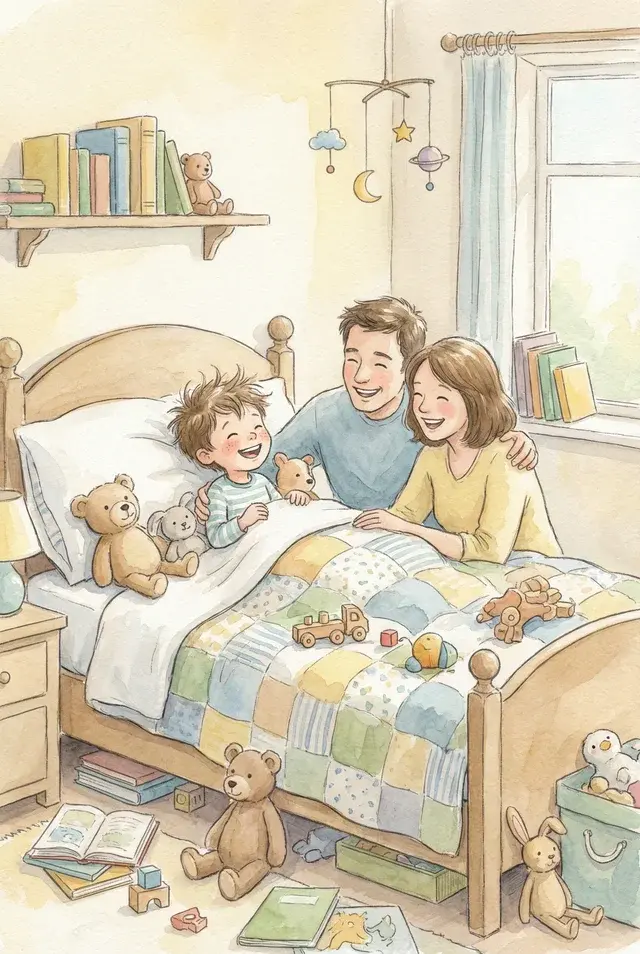
Furthermore, personalized fantasy books create opportunities for family creative engagement and imaginative play. Research shows that when families read personalized fantasy books together, it creates natural opportunities for discussing creativity, engaging in imaginative play, and exploring fantasy worlds together. These shared experiences strengthen family bonds while supporting children's creative development. Studies indicate that families who engage with personalized fantasy books together show increased family creative activities and stronger parent-child relationships around imagination and creativity.
Key insight 5
The research evidence strongly supports the use of personalized fantasy books for creative and emotional development. These books combine creativity research, developmental psychology principles, and character education to create comprehensive tools for imaginative development. When thoughtfully designed with empowering themes and personalized elements, fantasy books become powerful vehicles for fostering creativity, supporting emotional expression, and promoting positive character development. For families seeking meaningful ways to support their children's imaginative development while celebrating fantasy and magic, personalized fantasy books represent a research-backed approach that transforms magical thinking into creative growth and emotional development.