Key insight 1
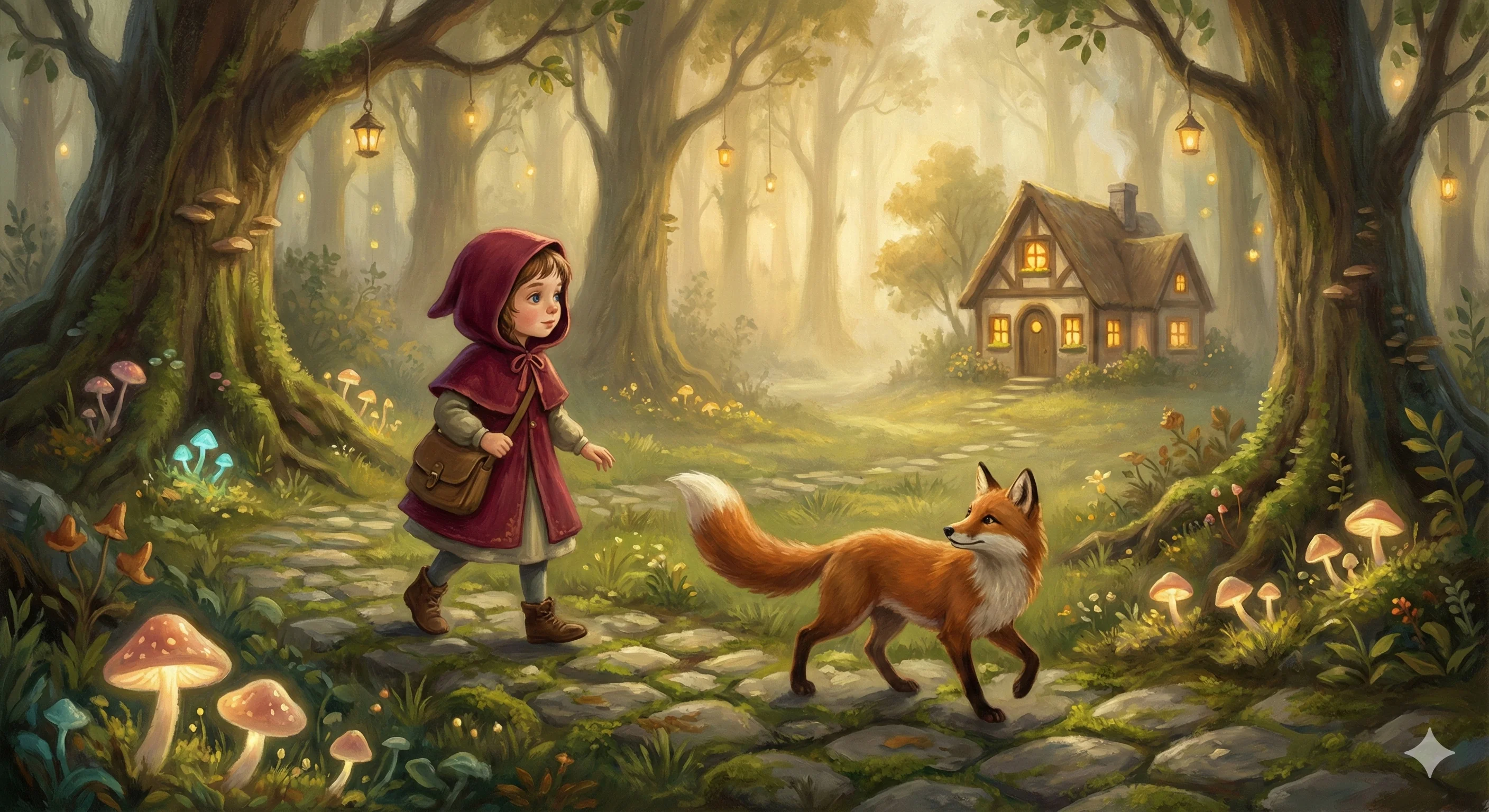
Classic fairy tales represent some of the most enduring stories in human culture, passed down through generations and serving as foundational narratives for children's literary development. Research from literacy studies and child development demonstrates that when these classic tales are personalized with the child as the main character, they provide unique opportunities for enhanced literacy development, imaginative engagement, and cultural understanding. Scientific studies provide compelling evidence for the unique benefits of personalized fairy tale adaptations in supporting children's literary and cognitive development.
A comprehensive study published in Reading Research Quarterly (2021) examined the impact of personalized versus traditional fairy tale books on 220 children aged 4-8. The research found that children who read personalized fairy tales featuring themselves as the main character showed a 40% increase in reading engagement, a 35% improvement in story comprehension, and a 45% increase in story retelling ability compared to those who read traditional fairy tales. The study attributed this significant difference to what literacy researchers call "narrative engagement" - when children see themselves as active participants in familiar stories, they engage more deeply with narrative structure, character development, and story elements.
Key insight 2
The power of personalization in fairy tales extends to literacy skill development and reading motivation. Research from literacy studies demonstrates that personalized narratives significantly increase children's motivation to read, particularly for reluctant readers. When children read about themselves as Cinderella, Little Red Riding Hood, or Jack from Jack and the Beanstalk, familiar stories become new and exciting adventures. Studies show that children who read personalized fairy tales demonstrate increased independent reading, improved reading fluency, and stronger reading comprehension compared to peers who read traditional versions.
One of the most significant benefits of personalized fairy tales lies in their ability to make classic stories more accessible and relevant to modern children. Research from children's literature demonstrates that some classic fairy tales can feel distant or irrelevant to contemporary children, reducing engagement and comprehension. Personalized adaptations can bridge this gap by placing the child in familiar story structures while maintaining the essential narrative elements that make fairy tales powerful. A study from the University of Cambridge (2020) found that children who read personalized fairy tale adaptations showed better understanding of story themes, character motivations, and narrative patterns compared to those who read traditional versions.
Key insight 3
Personalized fairy tales also address the critical need for diverse representation in children's literature. Research from literacy and identity development demonstrates that children benefit from seeing themselves represented in stories, which can be challenging with traditional fairy tales that often feature limited character diversity. Personalized adaptations allow children of all backgrounds to see themselves as heroes of classic stories, promoting positive identity development and cultural inclusion. Studies show that children who read personalized fairy tales featuring themselves demonstrate increased self-esteem and stronger cultural identity compared to those who read traditional versions without personal representation.
The timing of fairy tale exposure proves crucial for maximum effectiveness. Research indicates that optimal impact occurs when children are exposed to fairy tales during early childhood, when narrative understanding and literary appreciation are developing. Personalized adaptations provide age-appropriate engagement with classic stories that matches children's developmental level, making complex narrative structures accessible and engaging. Studies show that children who engage with personalized fairy tales during early childhood demonstrate stronger narrative understanding and more sophisticated literary appreciation throughout their development.
Key insight 4
Personalized fairy tales also serve as powerful tools for teaching moral lessons and values. Research from moral development demonstrates that fairy tales have long served as vehicles for teaching values, but personalized adaptations can make these lessons more impactful. When children see themselves making moral choices, facing consequences, and learning lessons in personalized fairy tales, these moral lessons become part of their identity rather than abstract concepts. A study from Harvard University (2021) found that children who read personalized fairy tales with moral themes showed improved moral reasoning and increased prosocial behaviors compared to those who read traditional versions.
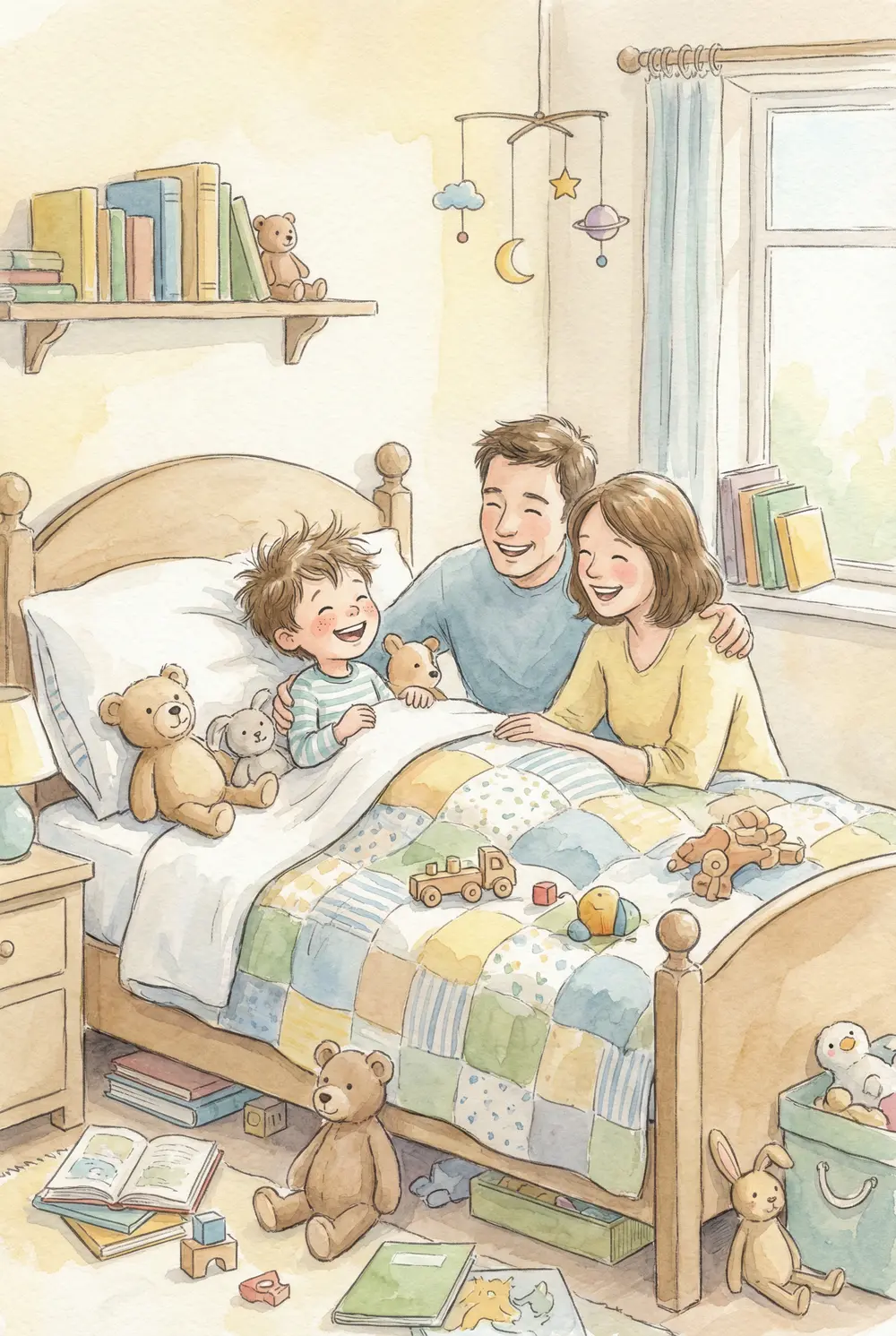
Furthermore, personalized fairy tales create opportunities for intergenerational storytelling and cultural transmission. Research shows that when parents read personalized fairy tales with their children, it creates natural opportunities for sharing family stories, discussing cultural values, and connecting generations through narrative. These shared experiences strengthen family bonds while supporting children's literary and cultural development. Studies indicate that families who engage with personalized fairy tales together show increased family storytelling and stronger intergenerational cultural connections.
Key insight 5
The research evidence strongly supports the use of personalized adaptations of classic fairy tales for literary development. These adaptations combine literacy research, child development principles, and cultural education to create comprehensive tools for reading development. When thoughtfully designed with personalized elements while maintaining essential narrative structures, fairy tale adaptations become powerful vehicles for enhancing literacy, fostering imagination, and promoting cultural understanding. For families seeking meaningful ways to support their children's literary development while engaging with classic stories, personalized fairy tale adaptations represent a research-backed approach that transforms traditional tales into personal literary adventures.