Key insight 1
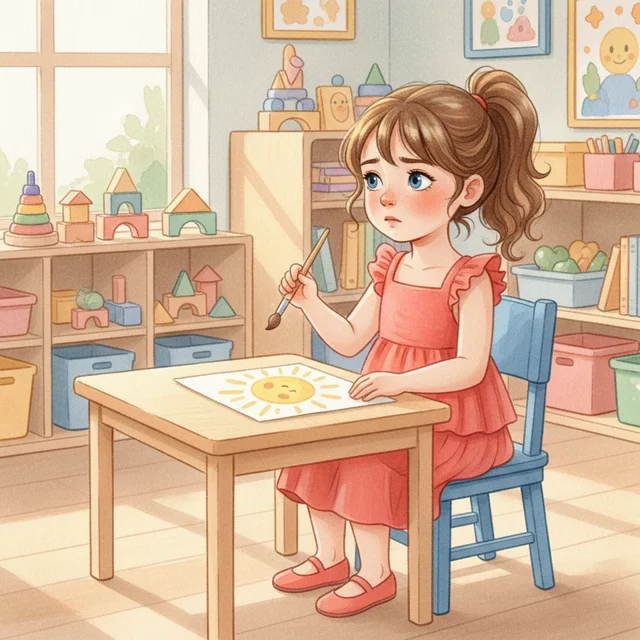
Exploring art careers through stories represents one of the most powerful ways children develop creativity, self-expression, and artistic identity. When children read about themselves as artists whose paintings come to life, expressing creativity and bringing art to the world, they engage in what psychologists call "possible selves" exploration, imagining who they could become. Research from career development, bibliotherapy, and art therapy demonstrates that personalized stories featuring the child as the main character offer a powerful, evidence-based approach to supporting children's art career exploration and creativity development.
Art and creativity research reveals important insights about how artistic activities benefit children's development. Research shows that when children see themselves as artists - not just hobbyists - they gain numerous psychological and developmental benefits: self-esteem and confidence (completing artworks and being acknowledged for them boosts children's sense of competence and self-worth), sense of agency (being allowed to choose materials, subject matter, style helps children feel ownership over their work), and motivation and goal-setting (having projects, exhibitions, or showing work supports the development of goals and perseverance). Empowering children to take an "artist perspective" fosters identity, self-efficacy, and long-term engagement.
Key insight 2
The power of personalization in artist career books extends beyond simple character naming. Research from child psychology demonstrates that personalized narratives activate the same brain regions involved in creativity and identity formation, creating what neuroscientists term "mental rehearsal" for artistic roles. When a child reads about themselves as an artist, creating paintings that come to life, expressing creativity, and bringing joy through art, their brain processes this as a real experience, strengthening neural pathways for creativity and vocational identity.
One of the most compelling aspects of personalized artist books is their ability to combine career exploration with creativity building. Research shows that art gives children a nonverbal outlet for feelings - anxiety, sadness, fear - that they may struggle to verbalize. The process of creating art helps lower emotional arousal, aiding regulation. Personalized books can model this creative expression while showing children how to feel confident, expressive, and creative in their artistic pursuits.
Key insight 3
The timing and method of exposure through personalized stories prove crucial for maximum effectiveness. Research indicates that optimal impact occurs when children are exposed to personalized career books proactively, during early childhood when vocational interests are forming, and reactively, when children express interest in specific careers. Studies show that children who explore careers through stories demonstrate better vocational identity, increased creativity, and stronger positive associations with artistic professions.
Personalized books also address the critical need for self-expression in artistic development. Research demonstrates that art facilitates externalizing internal states - making invisible inner experiences visible - which allows children to reframe, diffuse, and integrate difficult experiences more healthily. Personalized books can model this self-expression while showing children how art can bring imagination to life and express inner creativity.
Key insight 4
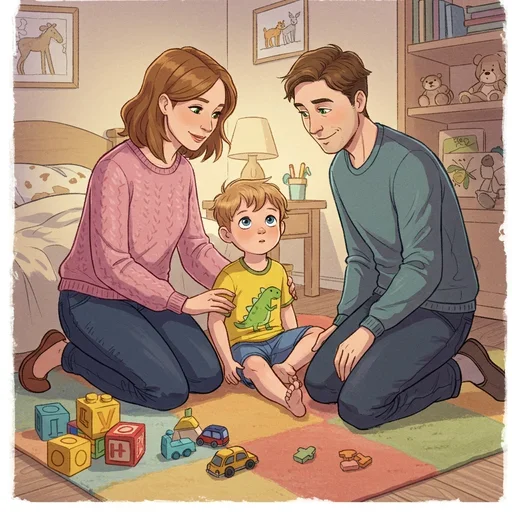
The benefits extend beyond the individual child to the entire family system. Research shows that when parents read personalized artist books with their children, it creates opportunities for meaningful conversations about creativity, self-expression, and future possibilities. These conversations strengthen parent-child bonds while providing children with emotional support and validation. Studies indicate that children whose parents engage in interactive reading of personalized career books show improved creativity, better self-expression, and stronger positive associations with artistic exploration.
Furthermore, personalized artist books serve as "creativity tools" - psychological resources that help children bridge the gap between current self and possible future self. Research from developmental psychology demonstrates that having concrete examples and positive frameworks reduces anxiety while building aspiration. When a personalized book includes specific artistic techniques, creative expressions, and magical outcomes (like paintings coming to life), it becomes a portable resource that children can reference when imagining their future.
Key insight 5
Research also highlights the importance of including imagination and magical elements in personalized artist books. Studies show that art supports cognitive benefits: working with art improves attention, critical and symbolic thinking. Choices in color, form, and subject matter encourage decision-making, flexibility, metaphorical thinking. Personalized books can incorporate magical elements (like paintings coming to life) while maintaining realistic artistic processes, showing children how creativity can transform imagination into reality.
For children interested in art specifically, personalized books can emphasize creativity, self-expression, and the joy of bringing imagination to life. Research shows that art therapy can provide non-threatening ways to interact and build trust. Personalized artist books can model these benefits while building career interest and artistic identity.
Key insight 6
For children with difficulty expressing emotions verbally, personalized artist books can be especially valuable when combined with other interventions. Research shows that art gives children a nonverbal outlet for feelings. Personalized books can address emotional expression while building creativity and confidence. The combination of appropriate artistic support and personalized storytelling creates a comprehensive approach that addresses both career exploration and emotional needs.
The research evidence supports the use of personalized books for helping children explore art careers, drawing on bibliotherapy research that shows stories can support identity development, creativity learning, and career exploration. Research demonstrates that bibliotherapy combined with art can support self-understanding and emotional processing. These books combine multiple evidence-based techniques including career exploration, creativity education, self-expression building, imagination development, and narrative therapy. The result is a comprehensive tool that addresses not just career interest, but the underlying creativity, self-expression, and positive mindset needed for vocational development in artistic fields. For families seeking evidence-based approaches to support their children's art career exploration, personalized artist books represent a powerful, research-backed solution that transforms curiosity into aspiration and fear into creativity.