Reading Development
Building Confidence Through Narrative and Personal Stories
By Linda Garcia
As parents, we are constantly searching for the perfect tools-be they academic, physical, or emotional-to help our children thrive. We read about the importance of literacy, we encourage play, and we celebrate milestones. But sometimes, the most powerful development happens not through rote learning, but through the sheer magic of a well-told story.
If you’ve ever watched your child become deeply engrossed in a book, a flicker of recognition might cross their face-that moment when they aren't just reading the words, they are living the story. This emotional response is more profound than simple entertainment; it's a developmental superpower. Narrative, when crafted correctly, is one of the most effective, yet often underestimated, tools for building genuine, resilient self-esteem.
But how does reading about other people, or even characters that aren't them, actually help a child feel confident in who they are? It’s about much more than just knowing the plot. It’s about representation, control, and self-recognition.
The Deep Connection Between Story and Self-Worth
Child psychology confirms that our sense of self is deeply intertwined with our ability to tell a story about ourselves. From toddlers mimicking daily routines to teenagers composing personal mission statements, we are all narrative beings. When a child reads, they are essentially rehearsing their internal narrative in a safe environment.
The research suggests that the magic happens when the story feels true-when it mirrors parts of the child's lived reality or gives them a feeling of mastery. Let’s explore three core ways narrative structure supports a child’s development of confidence.
1. Validation Through Representation: "I Am Seen"
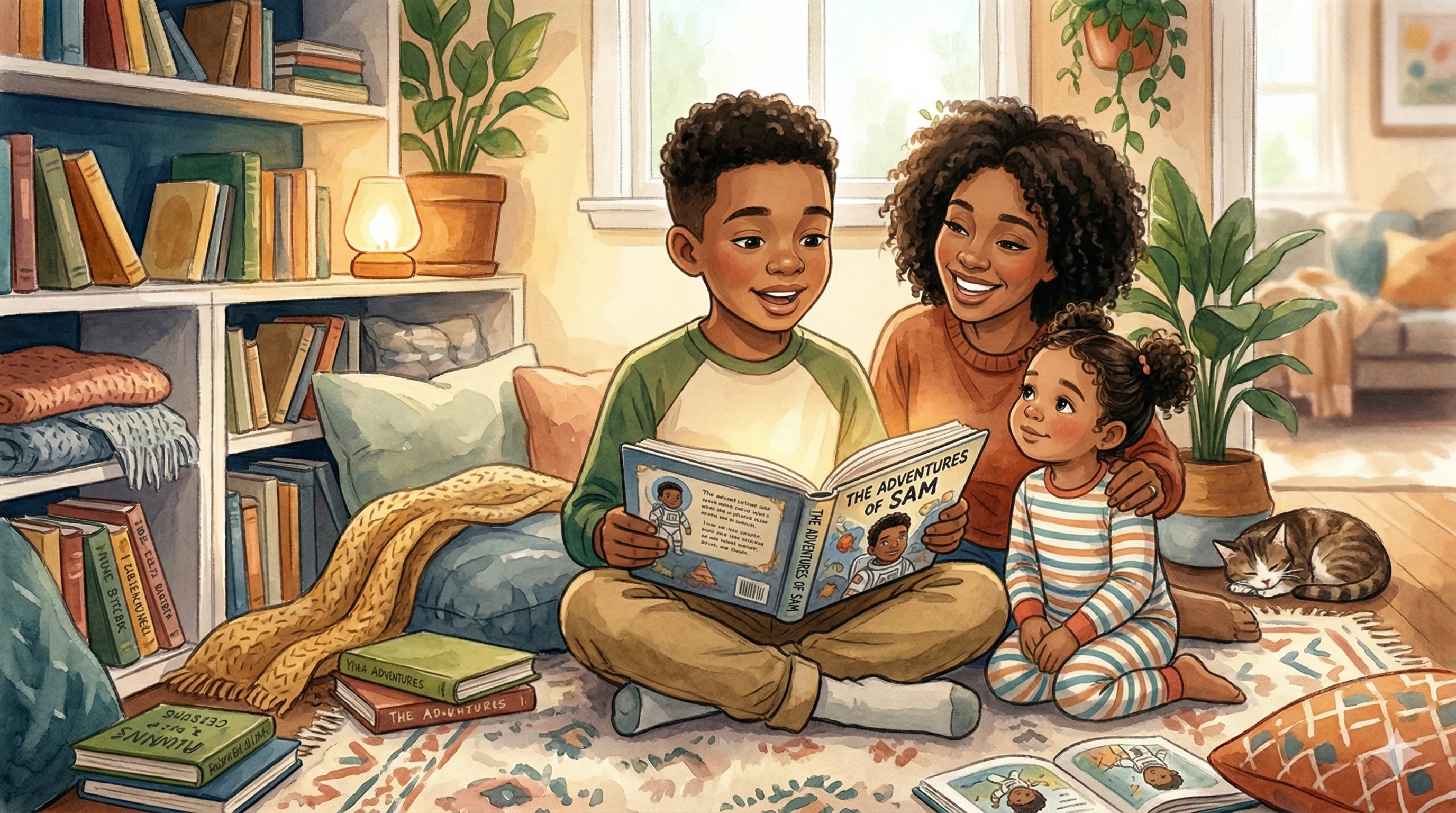
One of the most foundational needs for any developing human is the need to feel seen. When children read stories, they are subconsciously comparing the characters to themselves. If a book features protagonists who resemble them-in background, in family structure, or in ability-it provides immediate, powerful validation.
As scholars have noted, seeing oneself represented positively in media is not just nice; it is foundational to self-acceptance. If a child sees positive depictions of their unique family dynamic, or stories featuring characters who share their particular interests, it validates their identity and normalizes their experience. This combats feelings of "otherness" that can undermine self-belief.
For parents, this means paying attention not just to what your child likes, but who they want to see reflected in their world.
2. The Power of Narrative Agency: Feeling in Control
The concept of "agency" is critical in storytelling. Simply observing a character go through an event is passive. However, when a story allows the child to feel that they, or a character who resembles them, have the ability to make meaningful choices-to act-the impact is immediate.
Narrative agency is the feeling of control. When children read stories where the protagonist overcomes obstacles through ingenuity, kindness, or sheer perseverance, they are not just rooting for the character; they are running internal simulations. They are building a cognitive map that says, "If I faced that challenge, I would use this skill."
This mechanism boosts perceived self-efficacy-that core belief in one's own ability to succeed. It transforms the abstract idea of "being capable" into a tangible, story-based achievement.
If your child is struggling with a specific fear or a complex social situation, a tailored story can allow them to practice making good decisions with the characters, safely building up the neural pathways for confident action.
3. Building the Self-Story: Protagonists and Role-Play
The final, and perhaps most direct, link to confidence is becoming the protagonist. Nothing taps into the sense of agency quite like the feeling of being the central figure whose actions drive the plot forward.
When a child is the hero, they are inherently the object of positive attention, the solution to the conflict, and the driver of the joyful conclusion. This process strengthens the "self-narrative construction"-the overarching story the child tells about themselves. It moves them from being a passive recipient of experiences to an active author of their own journey.
This sense of authorship is invaluable. It teaches them that they are not merely reacting to the world; they are shaping it.
How Personalized Storytelling Taps Into This Psychology
Understanding these psychological levers-representation, agency, and self-authorship-makes the value of personalized storytelling incredibly clear.
A generic book, no matter how beautifully illustrated, can only validate the general. But when the narrative is built around your child-when their unique interests, family memories, pet names, and even specific achievements become the centerpiece of the story-you create a perfect storm of validation.
- Direct Representation: The child sees themselves in the lead role, affirming their reality.
- Guaranteed Agency: Because the story is written for them, the narrative arc is structured to show them achieving goals, mastering skills, and solving problems. They are the mechanism of the plot.
- Deep Connection: The art and text are intrinsically linked to their life, making the reading experience deeply personal and memorable.
These tailored stories provide a safe, magical space where the child can continually rehearse being capable, loved, and resilient. It allows them to revisit moments of success and face imagined challenges, all within the secure structure of a narrative.
Making Books a Daily Confidence Ritual
Building confidence is not a one-time project; it’s a cumulative process woven into the fabric of daily life. Incorporating reading as a consistent ritual-and specifically, a deeply personal one-can help anchor those feelings of competence.
When you sit down with your child and say, "Let's make a book about your adventure this month," you are doing more than reading; you are conferring authorship. You are telling them, "Your life matters, your story deserves to be told, and you are capable of writing the next great chapter."
This makes the book not just a decorative keepsake, but a tangible artifact of their growing sense of self.
The lasting gift of a story isn't just the plot twist; it's the internal shift that happens when a child realizes the immense power they hold-the power to imagine, the power to persist, and the undeniable power to be exactly who they are.
When you explore creating a personalized book, pay attention to the details: the specific challenges the hero overcomes, the unique setting, and the genuine celebration of their personal traits. These elements ground the abstract concept of "confidence" into something tangible, wonderful, and unmistakably theirs.