Parenting
Coping with Pet Loss Through Storytelling
By Linda Garcia
The Quiet House After They Leave
There is a specific kind of silence that settles into a home after a pet passes away. It isn't just the absence of noise; it's the missing weight of a dog at your feet or the way a cat used to weave through your legs in the hallway.
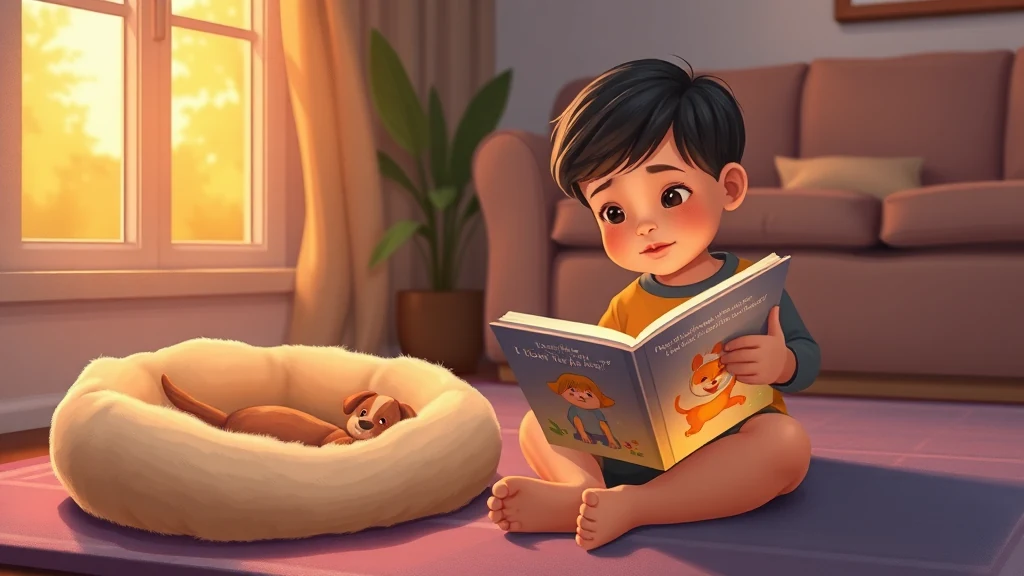
For a child, this loss can feel overwhelming and abstract. They might not fully grasp the permanence of "gone," yet they deeply feel the void left behind by their constant companion-the friend who was always there for every snack, every scraped knee, and every bedtime story. As parents, we want to hold space for their grief while helping them navigate these heavy emotions in a way that feels safe and manageable.
Why Storytelling is a Bridge for Young Hearts
When direct conversation about death or loss feels too heavy or "too big" for a child's current developmental stage, stories act as a vital bridge. A book allows a child to step into a narrative where they can explore feelings of sadness, confusion, and even the beauty of memory from a safe distance.
By making their own pet the hero of a story-or placing their child in a role where they are learning to say goodbye-the child gains a sense of agency. They aren't just experiencing a sad fact; they are participating in a meaningful journey. This type of narrative exploration helps them move from "I feel sad" to "We are remembering our friend's brave adventures."
How a Personalized Book Helps
Unlike a generic story about a lost pet, a personalized book feels like a dedicated tribute. It uses the actual name of the pet and includes specific details that matter only to your family-the way their tail wagged or the funny way they sat. When you want to create a lasting keepsake that captures these unique memories while providing comfort, you can start your book in the studio.
Quick Tip: Use "memory-mapping" during your reading time. Ask your child, "What was your favorite thing about [Pet's Name] doing?" and let them tell that part of the story as you read together.
Turning Grief into a Shared Legacy
One of the most powerful aspects of personalized storytelling is how it fosters emotional intelligence. Instead of just "moving on," the goal is to integrate the pet's memory into your family's ongoing narrative.
A custom book allows for a transition from active loss to lasting legacy. It becomes a tool for:
- Validating feelings: Acknowledging that it's okay to be sad, angry, or confused.
- Processing "The Firsts": Using the story to walk through the first morning without the pet, or the first day of school without them by your side.
- Building a Tradition: The book becomes a special gift they can return to whenever they miss their furry friend.
Navigating the Emotional Transition
If you are finding it difficult to find the right words during these conversations, remember that storytelling provides a "waiting room" for emotions. It gives your child time to process what happened in small, manageable pieces rather than all at once.
You can dive deeper into how personalized narratives support long-term emotional growth by reading our guide on How Personalized Books Impact Emotional Development and Self-Confidence.
Creating a Space for Memories
In the end, a personalized book isn't just a product; it's an act of love. It is a way to say, "I see your heart, and I know how much they meant to you." By turning their shared experience into a tangible story, you give them a safe harbor where they can honor their bond with their pet and begin the gentle process of healing.
Create a lasting keepsake: Give your child a way to hold onto those special memories by crafting a custom tale tailored specifically to their journey with their beloved pet at makemybook.app.