Parenting Tips
Navigating the Screen-to-Sleep Transition: How to Kindle Calm Bedtime Routines
By Michael Jones
Have you ever been sitting down in the dark, utterly defeated, trying to usher your child into sleep, only to face the electric glow of the tablet?
It's a modern rite of passage for parents. The bedtime routine-that sacred, winding down period-has become a negotiation. We want quiet, restful sleep. The child wants the endless, stimulating dopamine hit of a screen.
The struggle is real. We feel guilty for letting screens exist in our homes, yet we also know how deeply they are woven into the fabric of modern childhood. So, how do we reclaim that magical, quiet time between the day's chaos and deep sleep?
It's less about eliminating technology and more about intentionally replacing the digital input with something deeply connective, meaningful, and analog.
Why is the Screen-to-Sleep Transition So Hard for Kids?
Before we jump into practical tips, it helps to understand the "why." Sleep and screens are fundamentally incompatible processes for a developing brain.
The difficulty isn't just behavioral; it's biological.
Blue light-the kind emitted by phones, tablets, and TV screens-is processed by our internal biological clock (the circadian rhythm). This light signals to the brain that it is daytime. In simple terms, the screen says, "WAKE UP!" even when the lights are dim. This actively suppresses melatonin, the hormone that tells the body it's time to rest.
But beyond the science, there's the content factor. Screens are designed for maximum engagement. They are fast, unpredictable, and constantly rewarding, keeping the child's brain in a state of "alert, but focused." Going from a high-stimulus environment (the game or video) directly to a low-stimulus environment (darkness) is jarring-it's a cognitive whiplash that makes genuine winding down almost impossible.
Quick Tip for Understanding the Challenge:
- The Goal: You aren't just fighting bedtime resistance; you are fighting a chemical signal (blue light) and a deeply ingrained pattern of high-stimulus engagement.
- The Solution: You need a gradual, meaningful activity that signals "rest" to both the child and the parent.
- The Golden Rule: Any replacement activity must be more engaging than the screen, but less stimulating than the screen.
What Does a Calmer Bedtime Routine Actually Look Like?
A truly effective bedtime routine acts as a predictable, relaxing bridge. It should be a ritual that happens every single night, no matter what. Predictability is comforting for kids, and that predictability signals safety to the developing brain.
Instead of a single 30-minute block of "getting ready for bed," break it down into three distinct phases:
🌙 Phase 1: The Wind-Down (60 minutes before bed)
This phase involves physical and mental slowing. No screens, preferably. This is time for simple, non-demanding activities: washing faces, reading a physical book, quiet drawing, or listening to slow, soothing music. The aim is to lower the general energy level.
🌙 Phase 2: Connection Time (30-45 minutes before bed)
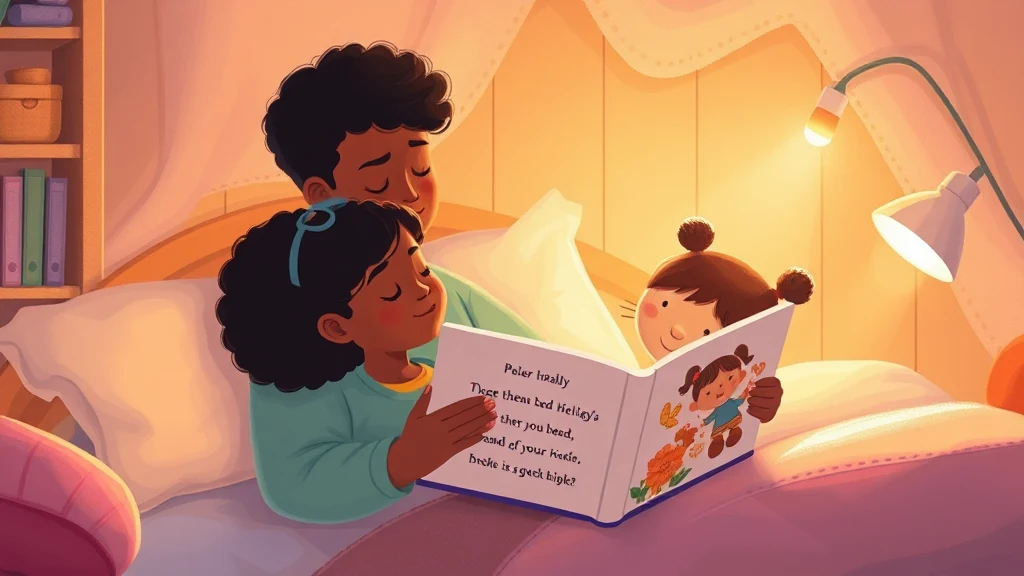
This is the heart of the routine. This phase is dedicated entirely to shared experience. The best way to achieve this is through narrative and conversation. Reading together is foundational, but the quality of the interaction matters. It's not just about the story; it's about the snuggles, the reading voice, the shared anticipation.
We can easily turn that moment of connection into a keepsake. When you're ready to turn a story about your child's specific day into a bedtime story, you can start your book in the studio.
🌙 Phase 3: Transition to Sleep (The Final 15 Minutes)
This is the actual tuck-in time. It involves physical reassurance (a hug, a pat) and a final moment of reflective reading. It's a final anchor to the day, wrapping up loose ends emotionally so the child can feel safe enough to drift off.
📚 Deepening the Connection: Intentional Reading
If your goal is bonding, simply reading a book isn't enough. You need to read with intent. Before you read, talk about the story: "What are you feeling tonight?" After the story, talk about the child: "What was your favorite moment today?"
This kind of reflective conversation supports the child's emotional vocabulary and helps them process their day in a safe, narrative way. For more tips on building these relaxing habits, check out our guide on reading routine tips.
Why Personalized Stories Beat Generic Books at Bedtime
When you've spent so long navigating external distractions (games, social media), the routine needs something unique, something irreplaceable. Generic storybooks, while wonderful, are lovely, but they are detached from the magic of this child, this family, this night.
Personalized stories offer a profound level of connection that combats both the screen's emptiness and the generic nature of most published literature.
Think about it: a personalized book doesn't just say "goodnight." It says: "Goodnight, [Child's Name], the brave adventurer who solved the puzzle of [specific childhood challenge] and needs to rest so they can be ready for tomorrow."
By weaving their actual achievements, unique interests, and personal details into the narrative, you validate their entire day and their identity. It transforms a simple bedtime story into a tangible record of their wonderful self.
The Unique Value of Being the Hero: This is where the psychological benefit shines. When a child sees themselves as the main character, the story becomes a mirror, validating their existence and their importance. It builds self-esteem not through praise, but through narrative certainty.
Remember: The purpose of the bedtime routine isn't to teach them a lesson; it's to make them feel seen and deeply loved.
✨ Quick Tips for the Perfect Bedtime Story:
- Customize the Conflict: Instead of a generic conflict (like a runaway wagon), make the conflict personal (like finding the lost toy mentioned during the day).
- Incorporate Skills: If they were trying hard in school or learning a new sport, let the story reference that effort.
- Keep It Positive: Focus on resolution and calm, not fear or failure. The goal is sleep, not drama.
Final Thought: From Screen Glow to Story Glow
The transition from the blue-lit world to the deep, quiet darkness requires a sensory anchor. That anchor needs to be predictable, personal, and emotionally rich.
Personalized storybooks provide that anchor. They shift the focus from the overwhelming stimulation of the screen to the quiet, powerful magic of imagination and shared family love. It is the ultimate form of emotional technology-the kind that truly connects.
Do you love this advice? Pass this guide along to a parent who needs to reclaim their bedtime routine!