Parenting Tips
Overcoming Fear of Medical Procedures with Storytelling
By James Smith
The sterile smell of the waiting room is sharp. You watch your child grip your hand, their eyes wide as they spot the oversized equipment or hear the distant hum of a medical machine. It's that heavy, sinking feeling in your chest-the one where you want to shield them from every scary thing, but you know they have to go through it.
Whether it's a routine vaccination, a dental checkup, or something more complex like surgery preparation, the "unknown" is often what fuels a child's fear. They don't have the words to explain that it feels big and overwhelming; they just know they are afraid.
This is where the power of narrative comes in. Stories aren't just entertainment; they are tools for externalization. When we put a child's fears into a story, we take the fear out of their body and place it onto the page.
Why Narrative Works for Medical Anxiety
When a child hears about a character who feels exactly like they do-nervous about a "scary" needle or worried about being in a new building-it validates their experience. It tells them, "It's okay to feel this way."
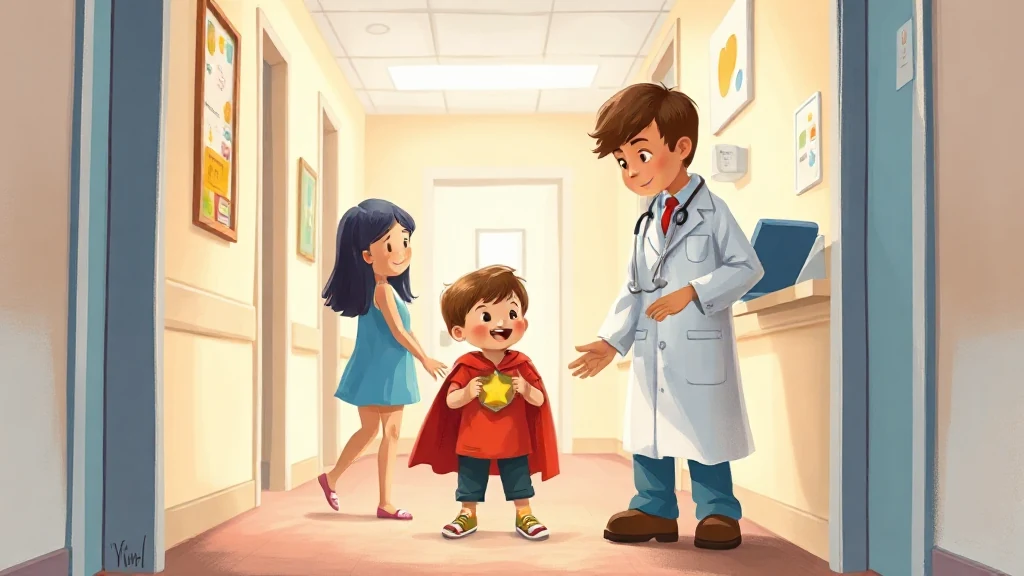
By turning the medical journey into a quest, we shift the narrative from "something happening to them" to "an adventure they are participating in." In these stories, the child isn't just a patient; they are the hero of their own brave story.
Quick Tip: Focus on specific sensory details during your storytelling. Instead of saying "The doctor will help you," try, "The kind doctor will use a special magic wand (a stethoscope) to listen to the music in your heart."
Making it Personal: The Power of Being the Hero
A generic book about "going to the doctor" is helpful, but there is something uniquely powerful about seeing themselves as the hero. When they see their own name and likeness on the pages, it creates a profound sense of agency.
If you want to turn these feelings into a tangible tool for your child, you can start creating a personalized story in our studio where they become the main character navigating their specific journey.
Practical Ways to Use Storytelling Before an Appointment
You don't have to wait for a big surgery to use these tools. You can integrate storytelling into your daily routine to build up confidence:
- The "Preparation" Story: Read a story that mirrors exactly what is going to happen tomorrow (e.g., entering the room, meeting the nurse).
- The Brave Hero Badge: After reading a personalized book where the hero faces a fear, have your child pick a "superpower" they want to use during their actual appointment.
- Perspective Shifting: Talk about the tools as objects of wonder rather than clinical equipment.
Because these stories provide such a high level of personal relevance, they are incredibly effective for building confidence. If you're looking into other ways to support your child's emotional journey, our guide on how personalized books build self-esteem and confidence offers more deep dives into the psychology of heroism.
Bridging the Gap Between Fear and Courage
The goal isn't to eliminate fear-fear is a natural response to the unknown. The goal is to replace helpless fear with informed courage. When a child has a "map" (a story) to follow, they feel prepared.
Next time you're facing a looming medical milestone, remember that a book isn't just paper and ink; it's a shield of imagination that lets your child face the real world with a bit more magic in their pocket.
Create a Brave Hero Today Give your child the gift of courage by making them the protagonist of their own medical journey. Create a personalized book for your child to help turn their "scary" moments into brave adventures.