School Readiness
Overcoming Fear of School Lunchrooms
By Michael Jones
The school cafeteria is a sensory whirlwind.
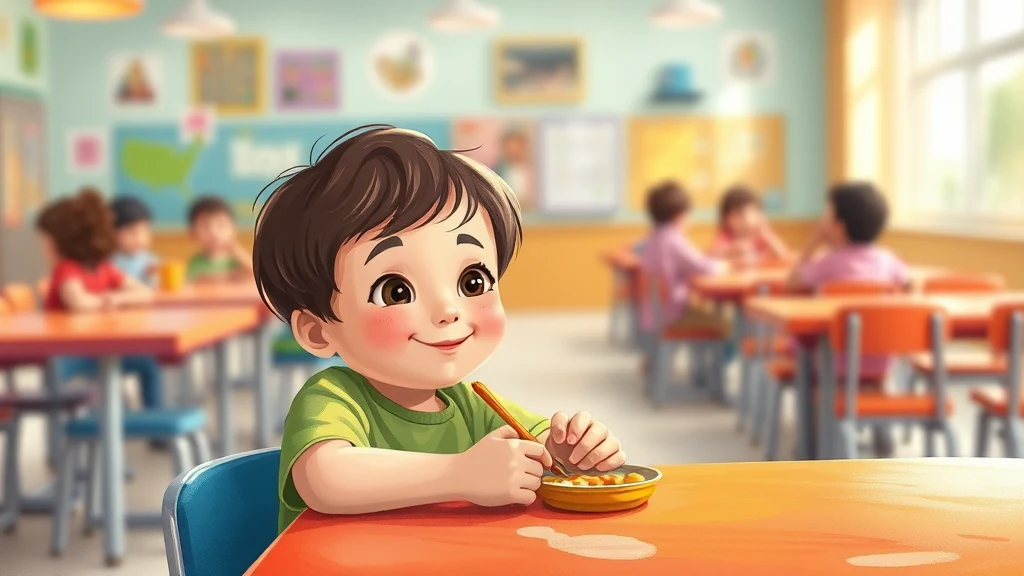
You see it before the first day of school even begins-the way your child's eyes widen at the mention of the "big lunchroom," or that tiny, hesitant and slightly frantic grasp on your hand when you discuss what they'll eat with their new friends. To us, it's just a room with tables and trays; to them, it can feel like navigating a sprawling, chaotic maze where every tray clatter is too loud and every peer seems to know the "rules" of the lunchroom perfectly.
It isn't just about being "shy." It's often a matter of sensory overload mixed with the overwhelming social demands of figuring out where to sit, how to open a snack, or how to join a group.
Why does the lunchroom feel so daunting?
For many children, the anxiety stems from a lack of predictability. The lunchroom is one of the few parts of the school day that feels less "structured" than a classroom. It's loud, it's fast-paced, and the social stakes feel high.
When a child feels overwhelmed by this environment, they aren't just struggling with food; they are trying to process:
- Sensory Overload: The clanging of trays and the roar of dozens of children talking at once.
- Social Navigation: Deciding who to sit with and how to initiate a conversation in a high-decibel environment.
- The Unknown: Not knowing exactly what to expect when they walk through the door.
Turning "What if?" into "I can do this"
One of the most effective ways to dismantle that looming "what if" is by giving your child a mental rehearsal. This isn't about lecturing them on lunchroom rules; it's about creating a space where they can feel like the hero of their own journey.
Personalized stories are uniquely suited for this because they allow a child to step into a narrative where they are the main character navigating these specific obstacles. When they see "themselves" successfully finding a seat or making a friend over a shared snack, it builds internal evidence that they are capable and brave.
If you'd like to create a tailored adventure where your child can practice these social wins as the hero of their own story, you can start your book in the studio.
Quick Tip: Instead of just telling them they'll be fine, try "mapping" the lunchroom together during a quiet moment at home. Talk about it as an adventure they are preparing for, much like a scout would prepare for a hike.
The Power of Narrative Agency
When we use personalized books to tackle school transitions, we aren't just telling a story; we are building narrative agency. By seeing themselves in the pages, children can "pre-experience" the lunchroom. They can visualize the tray, the table, and the smiles of others within the safety of your home.
Because these stories focus on their specific interests-whether they love dinosaurs, space travel, or ballet-the transition from the "story world" to the "real world" feels like a natural progression rather than a daunting leap.
For more on how storytelling supports this specific type of growth, you can explore our guide on how personalized stories can build a child's sense of identity and self-worth.
Strategies for the transition
Beyond the book, here are a few practical ways to bridge the gap:
- Roleplay with Props: Use their favorite items (a lunchbox or a special cup) to practice "the routine" of getting ready for lunch.
- Validate the Sensory Experience: Acknowledge that it is loud and busy. Validating their feelings doesn't make them more scared; it makes them feel understood.
- Small Wins: Celebrate the small victories-like choosing a seat or opening a container-as much as the big ones.
By combining the emotional safety of personalized storytelling with practical preparation, you can turn the daunting lunchroom into just another part of their exciting new adventure. They don't have to face the "maze" alone; they can carry the confidence of being the hero with them every day.