Parenting
Personal Stories for Siblings with Special Needs: A Guide for Parents
By Elizabeth Davis
When the Story Gets Complicated: Using Personalized Books for Siblings with Special Needs
It's often the unspoken moments that carry the heaviest emotions in a family. You know the look: the slight pause before a child asks, "Why is your sibling different?" or the furrowed brow when they see their sibling using a mobility aid or needing extra prompting to join a game.
These conversations are some of the hardest parts of parenting, especially when navigating a family dynamic involving a child with special needs or unique abilities. As parents, we often feel ill-equipped to find the right words-words that are honest, compassionate, and, most importantly, understandable for a developing mind.
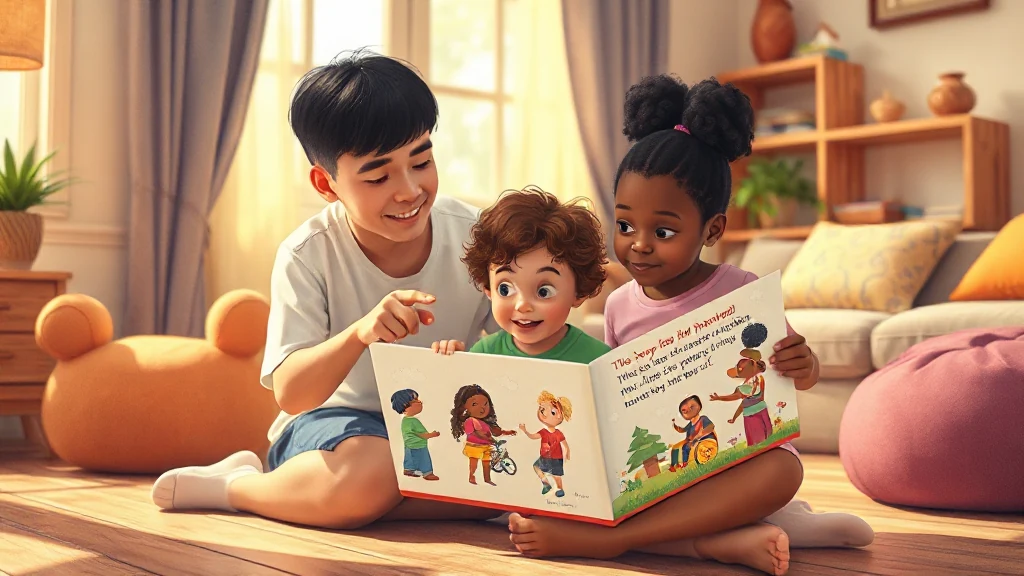
This is where the power of personalized storytelling steps in. These stories aren't just pretty reads; they are emotional tools. They provide a safe, gentle, and entirely tailored narrative space for your children to understand what 'different' means, build deep empathy, and feel secure in the incredible, complex reality of your family.
How Do Personalized Books Model Acceptance and Empathy?
The beauty of personalized narratives lies in their focus: the child in the book is the hero, and critically, the family is the central, valid element of the story.
When a child sees characters in a story facing challenges, learning to communicate, or navigating a physical or mental difference, they are doing more than just listening. They are engaging in scaffolding-a natural, cognitive process that helps them build the tools to understand the world.
These customized books allow us to:
- Externalize the Concept: Instead of dealing with the abstract, often messy emotional weight of difference, we give it a manageable character or scenario within a narrative. We can write about how Character A feels when they struggle with communication, giving the child an anchor point for understanding those complex feelings.
- Validate the Reality: A generic book might use the term "special needs." A personalized story, however, can use your family's specific language, referencing a favorite toy, the unique routine, or the joy of a shared moment. This level of specificity makes the concepts feel real, relevant, and conquerable.
- Boost Emotional Vocabulary: Stories are fantastic for vocabulary building, but they are exponentially better at teaching emotional vocabulary. We can write scenes where the characters learn words like "patience," "frustration," or "advocacy," all while tied to a concrete, relatable event.
Quick Tip for Parents: When you read these stories, don't just focus on the plot. Pause and ask your child: "How do you think [Character Name] felt right then?" or "What could [Character Name] do next?" This moves the lesson from passive reading to active emotional processing.
What's the Difference Between a Generic Book and a Personalized One?
This is the key distinction. A generic book might say, "It is okay to be different." While true, that phrase lacks power.
A personalized book says: "It is okay that [Sibling's Name] sometimes needs time to process big emotions, and you are amazing for waiting and giving them that space."
The personalized element is the validation of specificity. It takes the general, overwhelming concept of "disability" and shrinks it down to the singular, manageable, real experience of your child, making the narrative feel deeply personal and therefore, deeply actionable for the reader.
If writing these complex, delicate narratives feels overwhelming, remember that you don't have to tackle it all at once. You can start drafting a compassionate story for your family in the studio at your own pace.
How Does Storytelling Help Build a Child's Sense of Self-Worth?
Many parents worry that focusing on a sibling's needs means the other child might feel overlooked or responsible for their sibling's happiness. This is a huge, valid concern.
Personalized stories are powerful counter-agents to that worry. Because the custom narrative is built around the entire family unit, every child, including the one whose experience is less visible, is given a role. They are not background characters; they are essential participants in the adventure, the source of the love, or the source of the help.
The child sees themselves-their achievements, their unique personality-reflected alongside their sibling's journey. This reinforces the message that they are valuable, whole, and beloved, just as they are. This connection between self-representation and self-esteem is profound.
Quick Tip for Parents: Include activities in the story that require interaction. If the sibling with special needs loves building with blocks, have the protagonist helping to stabilize the structure. This models mutual support.
Beyond the Story: Connecting Narratives to Real Life
A story is a beautiful start, but the real magic happens on the couch, between you, your child, and the book.
After reading, use open-ended questions. Instead of asking, "Was the book good?", try:
- "If you were Character A, what would you say to Character B?" (Practices empathy)
- "What was the moment in the story where you felt proud of your family?" (Highlights positive moments)
- "What's one thing we do at home that feels just as special as what the family did in the book?" (Bridges narrative to reality)
These discussions help solidify the story's lessons and turn a single book into a powerful, ongoing dialogue about family acceptance.
🧠 Thinking Deeper About Family Dynamics
The themes of difference, acceptance, and family love are rich and deep. If you want to explore narrative ways to strengthen the relationship between siblings, we recommend reading our guide on personalized books for sibling relationships.
Summary: The Comfort of a Shared Narrative
Ultimately, using personalized stories for siblings with special needs is about giving a universal experience-the feeling of being a unique part of a loving family-a highly specific, comforting container.
These books are not a "cure" or a replacement for parental guidance. They are a magical, affirming mirror that helps the child see their own family reflected back to them, making the big, complex stuff feel small, manageable, and wonderfully, beautifully real.
Does your family have a unique story that needs telling? You can create a beautiful, customized storybook starring your family members.
Thank you for reading. We hope this guide helps you write your family's next chapter.