Parenting & Development
Stories for Building Cultural Identity and Belonging: The Power of Narrative
By Linda Garcia
The scent of your grandmother's spices, the rhythm of a specific language, the unique traditions of your neighborhood-these are the ingredients of belonging. For a child, discovering where they come from is not just an academic exercise; it is a deeply emotional, formative journey.
How do we help our children grasp the immense richness of their cultural identity? Sometimes, simply pointing out where their family originated isn't enough. A child needs to feel it.
This is where the power of storytelling comes in. Narrative-especially when that story is built around them-becomes a profound vehicle for validation. Personalized storybooks aren't just beautiful keepsakes; they are powerful mirrors that reflect the child's unique heritage back to them, affirming who they are and where they belong.
What Does It Mean to Develop a Sense of Belonging?
At its core, belonging is the feeling that you are seen, accepted, and valued exactly as you are. For children, this sense of self-worth is intimately tied to their family, community, and cultural roots. When a child reads about a character who shares their background, language, or family customs, it sends a powerful message: I matter.
Research shows that when children can see themselves represented in media-whether it's in literature, art, or play-it reinforces a positive self-concept. It validates the life experiences and customs that make their family special.
If you want to learn more about the foundational importance of representation in children's literature, check out our guide on the role of representation in children's literature.
How Do Storybooks Nurture Cultural Identity?
A story acts as a cultural container. It can teach history, preserve language, and model complex family values in a safe, imaginative environment.
1. Validating Unique Experiences: When a book incorporates specific cultural elements-be it wearing traditional clothing, celebrating a regional festival, or cooking a specific dish-it tells the child: "Your life matters, and your traditions are valuable." This validation is critical for self-esteem.
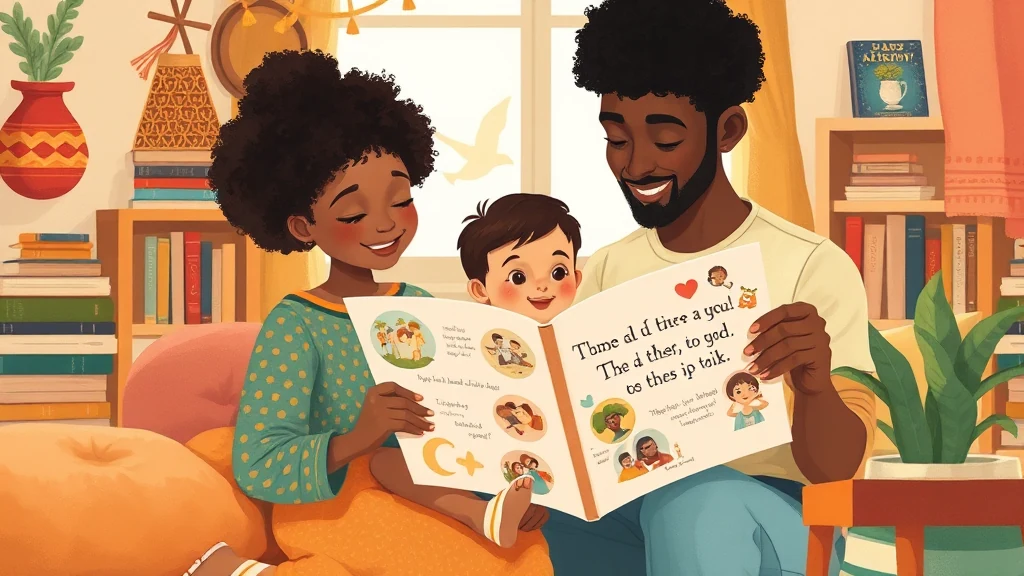
2. Bridging Generations: Reading culturally themed stories together becomes a beautiful act of intergenerational bonding. Parents and grandparents can weave elements of their own history into the narrative, transforming the storytime routine into a living connection to the family's past.
3. Expanding Understanding of Difference: Personalized books don't just affirm the child's culture; they can also gently introduce them to others. By having their hero interact with diverse characters or settings, the child learns that their own culture is just one vibrant thread in the larger tapestry of humanity. Want to know more about how personalized books can support family bonds? Read our guide on personalized books for family bonding and parenting.
✨ Quick Tip for Boosting Cultural Connection:
- Incorporate real life: When reading, pause and ask, "What is a cultural tradition our family has that this character might share?"
- Use sensory details: Point out words, clothing colors, or food mentioned in the story that relate to your home life.
- Embrace complexity: Talk about the 'mix' of cultures in your own home. It's okay to be many things!
The Unique Power of Personalization in Culture
Generic stories can be good, but personalized stories are transformative. When AI takes your family's specific narrative-your city, your favorite holiday, your unique family dialogue-and turns it into the plot, it achieves a level of connection that nothing else can match.
It shifts the narrative from being about "a boy" or "a family" to being specifically about your child. This deep sense of self-reference solidifies belonging.
For instance, if your child loves the natural environment, the story can weave together local flora and fauna with their adventures. If they speak multiple languages, the story can naturally switch between those languages, celebrating the beautiful complexity of a multilingual home.
This deep, tailored narrative creates powerful emotional anchors for identity. When you're ready to see how a truly custom story can bring your family's culture and history to life, you can start your book in the studio.
Addressing Challenges: Identity in a Global World
In today's interconnected world, it's common for families to have multiple cultural influences. This can sometimes create questions in a child's mind: Who am I?
Personalized books address this by being entirely inclusive. They don't force the child to pick one identity; they wrap all of them into the hero's life story. The final book celebrates the whole, multifaceted person the child is-the perfect blend of influences.
What Role Do Illustrations Play?
The art needs to match the intent. When documenting culture, the illustrations should be respectful, accurate, and vibrant. They should draw on the aesthetics and colors that resonate with the family's heritage, ensuring the child feels the visual representation matches their lived experience.
Key Takeaways for Parents
- Story as Memory: Stories are one of the best tools for passing down cultural knowledge that might otherwise be forgotten.
- Validation is Key: A personalized book validates the child's unique, complex, and beautiful life story.
- Beyond the Pages: Reading together becomes a shared cultural ritual, strengthening the family bond and the child's understanding of their roots.
Investing in personalized stories is an investment in self-worth. It tells the child, repeatedly and beautifully, that their background, their family, and their existence are sources of immense pride.
If your family is ready to weave your shared heritage and the child's personal journey into a beautiful, lasting book, design your own storybook.