Parenting Tips
Tackling Sibling Jealousy and Rivalry with Personalized Stories
By Michael Jones
There is a specific kind of tension that can settle in your living room-a heavy, buzzing energy that peaks when two siblings play together. Maybe it's the sharp tone used over a shared toy, or the way one child suddenly becomes "too loud" while the other retreats into a sullen silence.
As parents, we often find ourselves acting as mediators in these tiny dramas. We want to stop the bickering without making them feel like they're being scolded for having feelings. It's not just about who got the red truck; it's about the underlying struggle of identity, belonging, and navigating a world that is suddenly shared with someone else.
Why Does Sibling Rivalry Feel So Intense?
For a young child, "sharing" isn't just a logistical hurdle-it's an emotional one. When they feel like their space or their "specialness" is being diluted by a sibling, it can manifest as jealousy or rivalry. They don't have the vocabulary yet to say, "I feel overlooked because you are getting so much attention." Instead, they grab your favorite mug or push a block over.
Instead of just managing these outbursts, we can use stories as a bridge. You can dive deeper into how personalized narratives help children process these emotions in our guide on how personalized books support emotional intelligence.
Quick Tip: When a conflict happens, try to name the emotion out loud: "It looks like you're feeling frustrated because it's hard to share right now." This validates their feelings before they have to act them out.
Creating an Emotional Sandbox with Personalized Books
This is where personalization changes the game. A standard book about two siblings sharing a toy can be helpful, but a book where your children are the heroes provides a different kind of magic.
Because the story is centered on their specific lives, they can see themselves navigating these problems in a safe, imagined world. When a child sees "themselves" as a hero who learns to share or manages a big feeling, it gives them a mental script for real life. It moves the conflict from "I'm being in trouble" to "This is how we handle this adventure."
If you want to create a custom story where your children can experience these themes as the main characters, you can start your book in the studio.
Turning Conflict into Connection
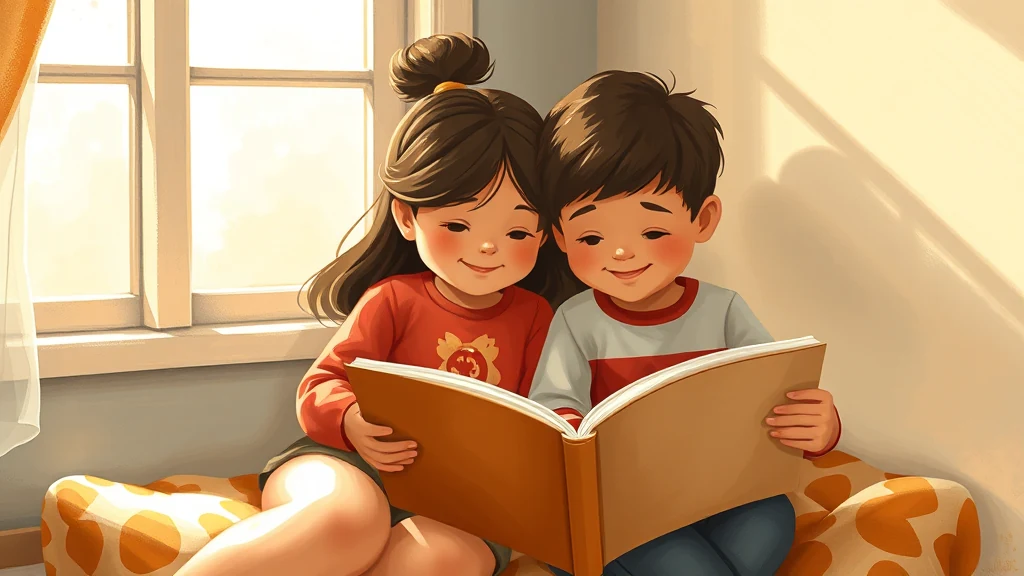
One of the most powerful uses for personalized books is creating a shared "third space." When both siblings are involved in the creation or reading of a book that features them both as heroes, it fosters collaboration over competition.
Instead of fighting over who gets to be the "main" character, they become partners in a narrative where:
- They learn empathy by seeing their sibling's feelings reflected in the story.
- They build a shared vocabulary for conflict (e.g., "the angry feeling," "the lonely feeling").
- They develop a sense of agency, realizing they have the power to choose how they react to others.
How can you use these stories effectively?
To make the most of your personalized books for sibling bonding, try these three approaches:
- The "Practice" Run: Use a story to role-play. "What should the character do when their friend feels sad?"
- Inclusive Creation: If they are old enough, let them help you choose certain elements of their adventure (like what kind of castle they live in or what pets they have).
- The Ritual: Establish a "sibling story time" where the focus is on shared enjoyment rather than individual ownership.
Summary: From Rivalry to Relationship
Tackling sibling jealousy isn't about winning an argument; it's about building a bridge of understanding. By moving the conflict into the pages of a book, you take the heat out of the moment and replace it with a shared journey.
Whether they are navigating the shift in their friendship or just learning how to share the remote, having a story that truly belongs to them provides a lasting sense of security. You can also explore more ways to use books as tools for these transitions in our guide on using personalized stories for sibling dynamics.
Ready to create a story that celebrates your children's unique bond? Create your custom adventure at Make My Book.