Parenting
Teaching Kids to Be Good Sports: Turning Defeat into Resilience
By Michael Jones
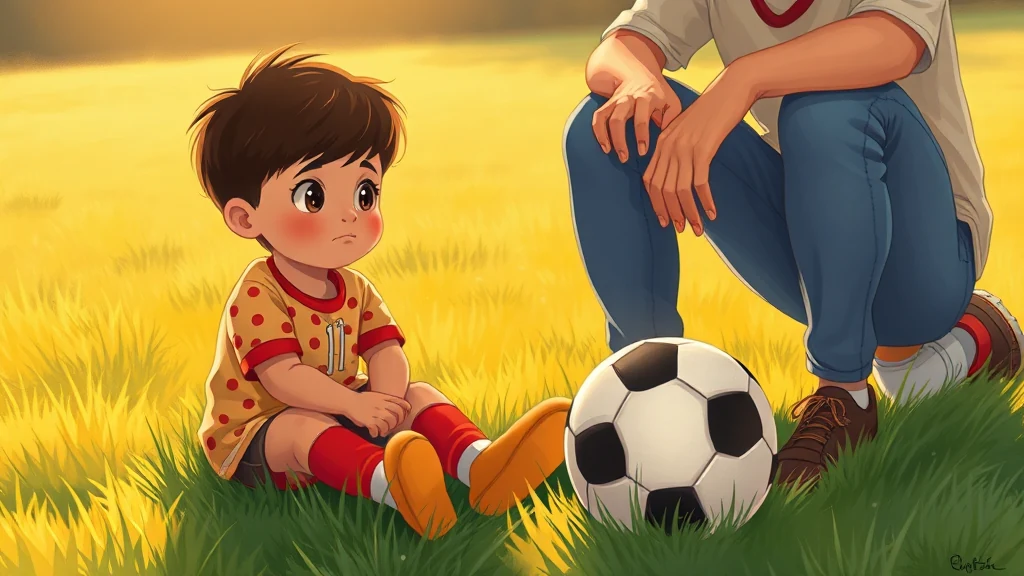
There is a specific kind of heavy silence that can settle over a park bench or a sideline after a game ends-especially when the final score isn't what your child hoped for.
You see it in the way they slump their shoulders, clutching a soccer ball or a pair of running shoes, perhaps with a few tears welling up because they "lost" the big race or missed the winning goal. In that moment, it's not just about the game. It's about how they process failure, how they handle disappointment, and how they begin to build the internal muscle of resilience.
Teaching a child to be a "good sport" isn't about teaching them to lose gracefully; it's about giving them the tools to navigate those big emotions without letting them become an insurmountable wall.
Why do kids struggle with losing?
For a child, "winning" and "losing" aren't just abstract concepts; they are tied directly to their sense of competence and identity. When they lose, it can feel like a personal failure rather than just a part of the game. This is why we often see them get frustrated or withdraw entirely.
To help them through this, we have to move the focus from the outcome (the score) to the process (the effort, the practice, and the fun).
How can we shift the perspective?
Instead of asking "Did you win?", try asking:
- "What was your favorite part of the game today?"
- "Which move were you most proud of making?"
- "Who did you enjoy playing with the most?"
By shifting the narrative, you help them realize that their value isn't tied to a scoreboard. When they feel like the hero of their own journey-rather than just a participant in someone else's competition-it changes how they handle setbacks. You can even use personalized books to help them see themselves as resilient heroes who learn from every challenge they face.
Quick Tip: When a loss happens, try the "Reflect and Reset" method. Spend two minutes talking about what went well during the game before discussing what could be improved for next time. This keeps the focus on growth rather than regret.
Using stories to build "Game-Day" confidence
Sometimes, it's hard to explain these complex emotions in the heat of the moment. That's where storytelling becomes a powerful tool. A story provides a safe, imagined space where they can "practice" being brave before they even step onto the field.
When a child reads a book where they are the hero facing a challenge-like a race they aren't sure they can finish or a game where they have to learn to work with others-it builds a sense of agency. They see the character face a "loss," feel the disappointment, but ultimately find the strength to try again.
If you want to create a bespoke story that mirrors your child's specific interests and sports goals, you can start your book in the studio to build their confidence before the next big game.
Dealing with the "heat of the moment"
Even with all the preparation, there will still be moments of high frustration. Here is how to handle those:
- Validate the feeling: "It's okay to feel sad about losing. It was a really close game."
- Identify the emotion: Help them name it. Is it frustration? Sadness? Disappointment? Giving a name to the feeling makes it less scary.
- The "Next Time" Pivot: Once they've had a moment to breathe, talk about one specific thing they can practice for next time. This turns the "failure" into a training mission.
Building long-term sportsmanship
Being a good sport is ultimately about empathy-understanding that the other kids are also feeling the highs and lows of the game. By highlighting the effort of their opponents, your child learns to value the community of the sport over the individual win.
Quick Tip: After a hard loss, try an "Honor Moment." Ask your child to find one thing the other team did well. This shifts their focus toward sportsmanship and mutual respect.
Ultimately, we want them to leave every game feeling like they grew, regardless of the score. By combining consistent encouragement with powerful narrative tools, you can help them turn every "loss" into a stepping stone for their confidence.