Child Development
Understanding the Science of Repetition in Early Childhood
By James Smith
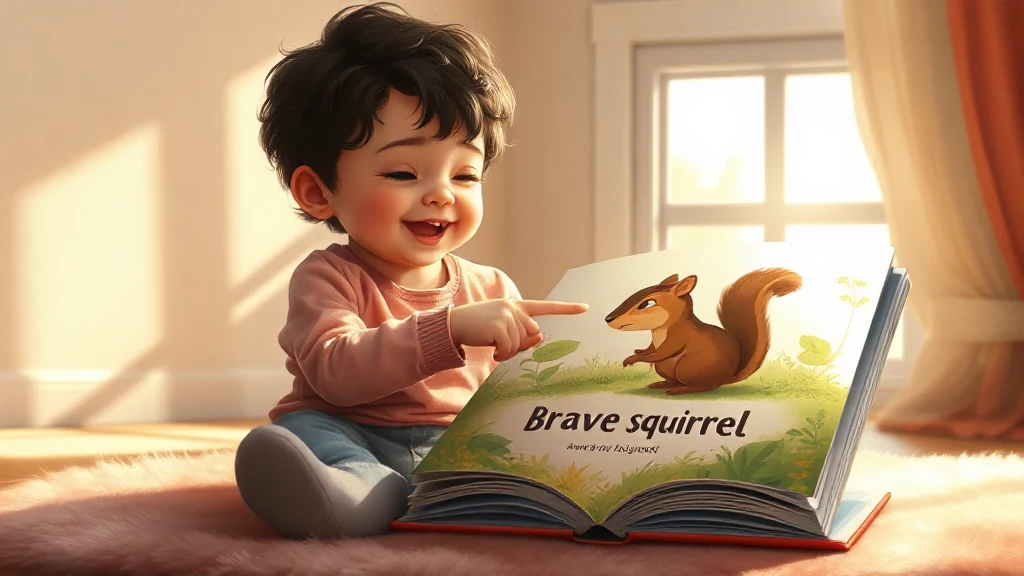
You've probably experienced that specific moment of parental "exhaustion"-you know the one. It's 7:00 PM, and for the fourth night in a row, your child insists on reading the exact same book about a brave little squirrel. You want to introduce them to something new, perhaps a story about space or underwater adventures, but they just point firmly at the familiar pages and say, "Again!"
While it might feel like a repetitive loop to us, for a developing brain, it's actually a masterclass in learning. In the world of early childhood development, repetition isn't a lack of imagination; it's a fundamental cognitive tool.
Why Do Children Crave Repetition?
To an adult, "new" is usually more engaging. But for a young child, the brain prioritizes mastery. When a child returns to the same story over and over, they aren't just reliving a plot; they are building neural pathways.
- Predictability provides safety: The world is huge and often unpredictable. A familiar story creates a "safe zone" where the child knows exactly what comes next, allowing them to relax and focus on the nuances of language.
- The 'Mastery' Loop: When they know the plot, they can stop worrying about what happens and start focusing on how it's told. They begin to notice specific word choices, different sentence structures, and the way certain emotions are conveyed.
- Building Confidence: Every time a child "predicts" the next page correctly, they get a tiny hit of dopamine. It builds their confidence as a reader because they feel like experts on that particular story.
Quick Tip: The Power of the "Known"
If your child is stuck in a loop with one book, don't fight it! Use that "known" story as a springboard. Try changing your voices for the characters or asking them to predict what a character might do next.
How Repetition Fuels Literacy and Memory
There is a significant amount of science behind why we repeat things. In cognitive psychology, this is often linked to the self-reference effect and spaced repetition. When children engage with content that feels personal-like a book where they are the hero-that repeated engagement sticks in their long-term memory much more effectively.
When a child hears their own name or sees themselves depicted in an illustration, the "relevance" factor skyrockets. They aren't just memorizing a story; they are internalizing it. This is why personalized books offer such unique value; they turn the repetitive reading process into a deeply personal journey of self-discovery.
When you're ready to turn these scientific principles into a story starring your child, you can start your book in the studio.
From Reading to Mastery: The Transition
The goal of repeated reading is eventually to move from "familiarity" to "fluency." As children become experts on their favorite books, they begin to internalize the vocabulary. They start to use those same words in their daily play and conversation.
This transition is crucial for developing executive function-the ability to focus, remember instructions, and multitask. By mastering a story, they are actually practicing the cognitive muscles they will need for school and beyond.
How to lean into the "Repetition" phase:
- Identify key words: Pick one special word from their favorite book each week and see if you can find it in other stories too.
- Interactive reading: Ask, "How do you think [Character Name] feels right now?" to bridge the gap between plot knowledge and emotional intelligence.
- Build a 'Mastery' shelf: Let them have a physical space where their "mastered" books live, giving them a sense of pride in their progress.
The Long-Term Value of "Reading Again"
Some parents worry that repeating a story means the child isn't being "challenged." However, research suggests that the opposite is true for early learners. Mastery provides the foundation upon which new challenges can be built. When a child feels confident in a known narrative, they are much more willing to take risks with an unknown one.
If you want to see how this deep sense of ownership impacts their growth, check out our guide on why children get excited to see themselves as characters.
By embracing the "loop," you aren't just reading a book; you are giving your child the space to become an expert, building a foundation of confidence that will carry them through every new story they encounter in the future.
Create a masterpiece for their collection: Make your own personalized book at Make My Book.