Key insight 1
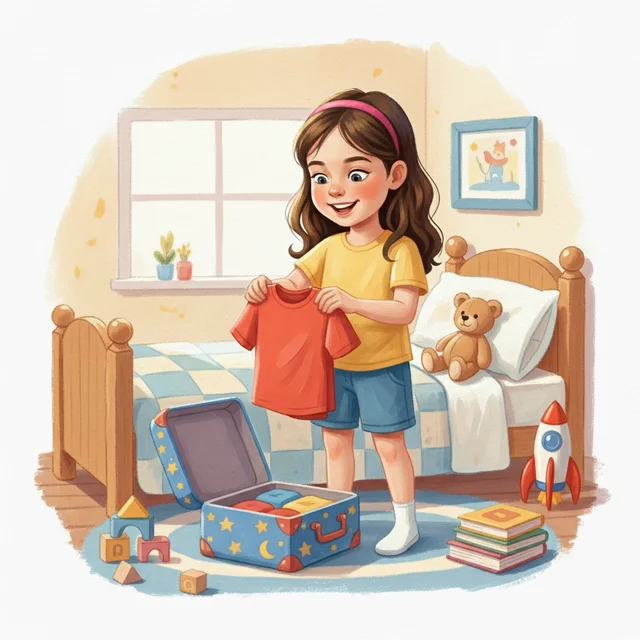
Learning to clean and organize one's room independently represents a crucial milestone in a child's development of responsibility, self-care skills, and executive functioning. This achievement requires planning, sequencing, organization, decision-making, and sustained effort - all essential executive functions that support later academic and social success. Research from child development, executive function research, and bibliotherapy demonstrates that personalized stories featuring the child as the main character offer a powerful, evidence-based approach to helping children develop these important life skills.
Self-care activities, including cleaning and organizing personal spaces, are foundational for independence. Research shows that as children grow, they acquire skills like dressing, feeding themselves, and managing personal hygiene. These skills build executive functions - including planning, sequencing, organization, and fine motor skills - which are essential later in academic and social contexts. Engaging children in chores or organizing tasks helps them feel ownership and competence. When tasks are age-appropriate and clearly defined, children can successfully manage them, leading to greater self-efficacy.
Key insight 2
The power of personalization in room cleaning books extends beyond simple character naming. Research from child psychology demonstrates that personalized narratives activate the same brain regions involved in planning and goal-directed behavior, creating what neuroscientists term "mental rehearsal" for responsibility tasks. When a child reads about themselves cleaning their room, organizing their space, and taking pride in their work, their brain processes this as a real experience, strengthening neural pathways for responsibility and independence.
One of the most compelling aspects of personalized room cleaning books is their ability to combine responsibility education with independence building. Research shows that democratic, supportive parenting that allows for choice and collaboration tends to result in higher self-care ability in children, especially among children with stronger executive functioning skills. Personalized books can model this supportive approach while showing children how to take ownership of their space and feel pride in their accomplishments.
Key insight 3
The timing and method of exposure through personalized stories prove crucial for maximum effectiveness. Research indicates that optimal impact occurs when children are exposed to personalized room cleaning books proactively, before beginning to clean independently, and reactively, during the learning process. Studies show that children who prepare for responsibility tasks through stories demonstrate better task completion, improved organization skills, and increased pride in their accomplishments.
Personalized books also address the critical need for task sequencing in room cleaning. Research demonstrates that breaking cleaning tasks into manageable steps, providing clear expectations, and using visual schedules or checklists supports successful completion. Personalized books can embed this task analysis within narrative structure, presenting each step as part of a story progression. This approach helps children internalize the sequence while maintaining engagement and motivation.
Key insight 4
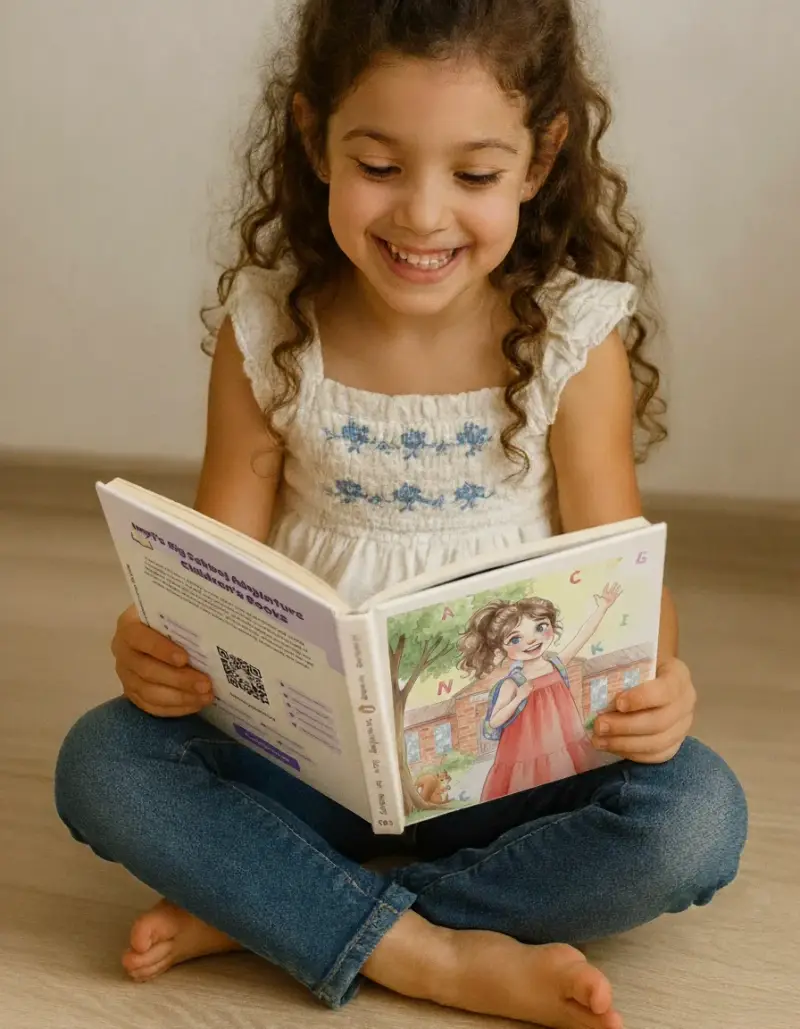
The benefits extend beyond the individual child to the entire family system. Research shows that when parents read personalized room cleaning books with their children, it creates opportunities for meaningful conversations about responsibility, organization, and pride in one's space. These conversations strengthen parent-child bonds while providing children with emotional support and validation. Studies indicate that children whose parents engage in interactive reading of personalized responsibility books show improved task completion, better organization skills, and stronger positive associations with self-care tasks.
Furthermore, personalized room cleaning books serve as "responsibility tools" - psychological resources that help children bridge the gap between dependence and independence. Research from developmental psychology demonstrates that having concrete examples and positive frameworks reduces resistance while building motivation. When a personalized book includes specific cleaning steps, organization strategies, and positive outcomes, it becomes a portable resource that children can reference when facing cleaning tasks.
Key insight 5
Research also highlights the importance of including ownership and pride themes in personalized room cleaning books. Studies show that letting children "own" specific chores rather than rotating or sharing ensures accountability and pride in completing them well. Personalized books can emphasize this ownership while showing children how taking care of their space creates a sense of accomplishment and pride.
For children with executive function challenges or organizational difficulties, personalized room cleaning books can be especially valuable when combined with other interventions. Research shows that scaffolding tasks - breaking them into steps, providing visual supports, and gradually reducing support - helps children succeed. Personalized books can reinforce these strategies while building confidence and reducing overwhelm. The combination of appropriate task support and personalized storytelling creates a comprehensive approach that addresses both cognitive and emotional needs.
Key insight 6
The research evidence supports the use of personalized books for helping children learn to clean their room independently, drawing on bibliotherapy research that shows stories can support behavior change, responsibility development, and independence building. Research demonstrates that stories help teach values, empathy, decision-making, and perspective-taking. They allow safe exploration of consequences of choices without risking real harm. Personalized stories increase engagement, motivation, and identification with characters, enhancing internalization of lessons. These books combine multiple evidence-based techniques including responsibility education, task sequencing, independence building, pride development, and narrative therapy. The result is a comprehensive tool that addresses not just the cleaning tasks themselves, but the underlying responsibility, independence, and positive mindset needed for successful self-care. For families seeking evidence-based approaches to support their children's responsibility development, personalized room cleaning books represent a powerful, research-backed solution that transforms resistance into ownership and dependence into independence.