Key insight 1
Exploring dragon adventures through personalized stories represents one of the most powerful ways children develop courage, bravery, and emotional resilience. When children read about themselves riding on a dragon's back, exploring magical lands, and showing courage in epic adventures, they engage in what psychologists call "courage rehearsal" exploration, imagining themselves as brave heroes and developing resilience. Research from child psychology, bibliotherapy, and emotional development demonstrates that personalized fantasy stories featuring the child as the main character offer a powerful, evidence-based approach to supporting children's courage development and bravery.
Fantasy and courage research reveals important insights about how fantasy stories benefit children's emotional development. Research shows that fantasy narratives help kids process scary or confusing emotions safely. They provide metaphors and distance, making it easier to talk about fears, moral dilemmas, loss etc. Themes in fantasy (like battling evil, making sacrifices, or acting with bravery) give children models for ethical decision-making and behavior. They help build values such as courage, kindness, justice.
Key insight 2
The power of personalization in dragon adventure books extends beyond simple character naming. Research from child psychology demonstrates that personalized narratives activate the same brain regions involved in courage and bravery, creating what neuroscientists term "mental rehearsal" for brave actions. When a child reads about themselves riding on a dragon's back, exploring magical lands, and showing courage, their brain processes this as a real experience, strengthening neural pathways for courage and emotional resilience.
One of the most compelling aspects of personalized dragon adventure books is their ability to combine fantasy exploration with courage building. Research shows that dragons and monsters in fantasy often act as externalizations of fear or internal challenges. Slaying a dragon in story can translate to facing one's own fears in reality. Stories help children develop empathy by putting them in others' shoes - including creatures very unlike themselves. This works especially well in fantasy settings, where moral conflicts can be clear-cut yet metaphorical. Personalized books can model courage scenarios while showing children how to feel brave, capable, and resilient.
Key insight 3
The timing and method of exposure through personalized stories prove crucial for maximum effectiveness. Research indicates that optimal impact occurs when children are exposed to personalized fantasy books proactively, during early childhood when emotional development is rapid, and reactively, when children express fear or need courage support. Studies show that children who engage with fantasy stories demonstrate better emotional regulation, improved courage, and stronger positive associations with brave behavior.
Personalized books also address the critical need for safe emotional processing in courage development. Research demonstrates that bibliotherapy (structured use of books for therapy) has been shown to help children who've experienced trauma by allowing them to connect with characters who face adversity, thereby developing coping skills. Pretending or play inspired by stories - whether realistic or fantastical - strengthens children's self-control, especially inhibition control (the ability to pause and think before acting). Personalized books can incorporate these safe processing elements naturally within the story, showing children how courage develops through facing challenges.
Key insight 4
The benefits extend beyond the individual child to the entire family system. Research shows that when parents read personalized dragon adventure books with their children, it creates opportunities for meaningful conversations about courage, bravery, and facing fears. These conversations strengthen parent-child bonds while providing children with emotional support and validation. Studies indicate that children whose parents engage in interactive reading of personalized fantasy books show improved courage, better emotional regulation, and stronger positive associations with brave behavior.
Furthermore, personalized dragon adventure books serve as "courage tools" - psychological resources that help children bridge the gap between fear and bravery. Research from developmental psychology demonstrates that having concrete examples and positive frameworks reduces anxiety while building resilience. When a personalized book includes specific courage scenarios, brave actions, and positive outcomes, it becomes a portable resource that children can reference when facing their own fears.
Key insight 5
Research also highlights the importance of including agency and choice in personalized dragon adventure books. Studies show that heroes making active, sometimes risky choices boosts children's feelings of empowerment. Personalized books can model these agency elements while showing children how courage involves making choices and taking action. This approach helps children understand courage while building emotional resilience.
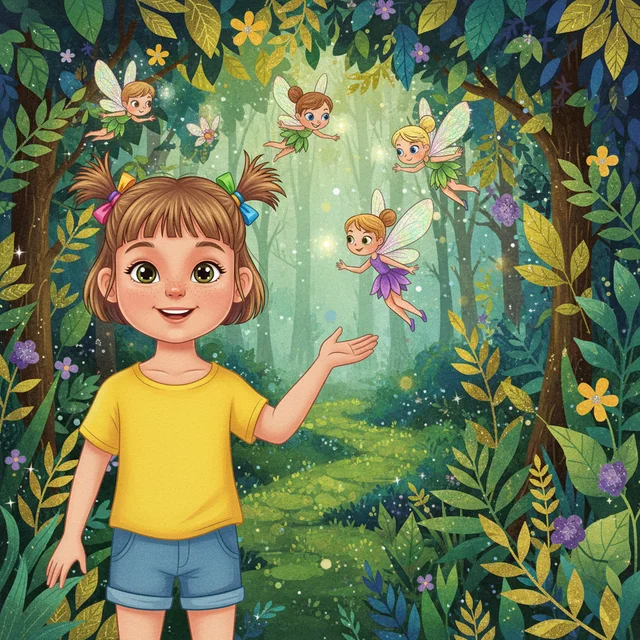
For children interested in fantasy specifically, personalized books can emphasize dragon adventures, magical exploration, and the joy of showing courage. Research shows that personalized fantasy stories increase engagement and emotional connection. Personalized dragon adventure books can model these benefits while building courage and brave identity.
Key insight 6
For children with fear or anxiety, personalized dragon adventure books can be especially valuable when combined with other interventions. Research shows that fantasy stories can help children process fears safely through metaphor. Personalized books can address fears while building courage and confidence. The combination of appropriate emotional support and personalized storytelling creates a comprehensive approach that addresses both courage development and emotional needs.
The research evidence supports the use of personalized books for helping children develop courage, drawing on bibliotherapy research that shows stories can support emotional development, courage learning, and resilience building. Research demonstrates that bibliotherapy helps children process emotions and develop coping skills through story-based learning. These books combine multiple evidence-based techniques including courage education, bravery building, emotional resilience development, fantasy exploration, and narrative therapy. The result is a comprehensive tool that addresses not just entertainment, but the underlying courage, bravery, and positive mindset needed for emotional development. For families seeking evidence-based approaches to support their children's courage development, personalized dragon adventure books represent a powerful, research-backed solution that transforms fear into courage and anxiety into bravery.