Key insight 1
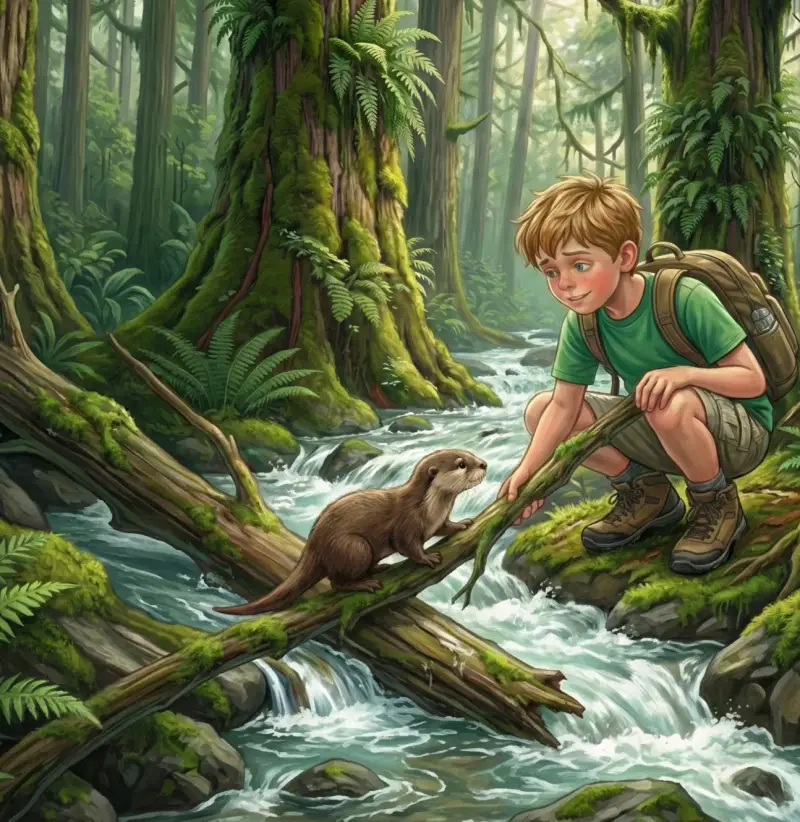
Exploring farming careers through stories represents one of the most meaningful ways children develop responsibility, connection to nature, and understanding of animal care. When children read about themselves as farmers working on a farm with animals, caring for animals, and growing crops, they engage in what psychologists call "possible selves" exploration, imagining who they could become. Research from career development, bibliotherapy, and child psychology demonstrates that personalized stories featuring the child as the main character offer a powerful, evidence-based approach to supporting children's farming career exploration and responsibility development.
Farm and agriculture research reveals important insights about how stories about farming benefit children's development. Research shows that stories about animals and farming help children understand caring for others, nurturing ecosystems, and seeing the impact of their actions in nature. Through characters who care for animals or work in nature's rhythms, stories provide mirrors for kindness, empathy, patience, and confronting challenges (weather, animal sickness, seasons). Stories about farming promote responsibility and connection to living beings, helping children understand caring for others and nurturing ecosystems.
Key insight 2
The power of personalization in farmer books extends beyond simple character naming. Research from child psychology demonstrates that personalized narratives activate the same brain regions involved in responsibility and empathy, creating what neuroscientists term "mental rehearsal" for caring roles. When a child reads about themselves as a farmer, working with animals, caring for crops, and connecting with nature, their brain processes this as a real experience, strengthening neural pathways for responsibility and vocational identity.
One of the most compelling aspects of personalized farmer books is their ability to combine career exploration with responsibility development. Research shows that farms provide a grounded, sensory-rich learning context - soil, animals, growth - making imagery in stories vivid and deeply memorable. Personalized books can model farm responsibilities while showing children how to feel capable, caring, and responsible in their interactions with animals and nature.
Key insight 3
The timing and method of exposure through personalized stories prove crucial for maximum effectiveness. Research indicates that optimal impact occurs when children are exposed to personalized career books proactively, during early childhood when vocational interests are forming, and reactively, when children express interest in specific careers. Studies show that children who explore careers through stories demonstrate better vocational identity, increased responsibility, and stronger positive associations with nature-based professions.
Personalized books also address the critical need for understanding interdependence in farming. Research demonstrates that stories help children understand the interdependence of people, animals, and land. When characters face challenges (weather, animal sickness, seasons) but demonstrate resilience and problem-solving, children see that farming involves both care and responsibility. Personalized books can incorporate these interdependence themes naturally within the story, showing children how farmers work with nature.
Key insight 4
The benefits extend beyond the individual child to the entire family system. Research shows that when parents read personalized farmer books with their children, it creates opportunities for meaningful conversations about responsibility, animal care, and connection to nature. These conversations strengthen parent-child bonds while providing children with emotional support and validation. Studies indicate that children whose parents engage in interactive reading of personalized career books show improved responsibility, better animal care understanding, and stronger positive associations with nature.
Furthermore, personalized farmer books serve as "responsibility tools" - psychological resources that help children bridge the gap between self-focus and other-focus. Research from developmental psychology demonstrates that having concrete examples and positive frameworks reduces anxiety while building aspiration. When a personalized book includes specific farm activities, animal care scenarios, and positive outcomes, it becomes a portable resource that children can reference when imagining their future.
Key insight 5
Research also highlights the importance of including realistic farm activities in personalized farmer books. Studies show that effective stories include animal care (feeding, health checkups, grooming), planting and harvesting (understanding seasons, soil, weather), and sustainability (compost, crop rotation, soil health). Personalized books can model these farm activities while showing children how farmers work with animals and nature. This approach helps children understand farming while building career interest.
For children interested in farming specifically, personalized books can emphasize animal care, crop growing, and the joy of working with nature. Research shows that building awareness and interest in agriculture careers makes these roles more accessible and less abstract. Personalized farmer books can model these benefits while building career interest and responsibility identity.
Key insight 6
For children with limited exposure to farms or animals, personalized farmer books can be especially valuable when combined with other interventions. Research shows that stories can make farming more accessible and relatable. Personalized books can address lack of exposure while building interest and understanding. The combination of appropriate farm education and personalized storytelling creates a comprehensive approach that addresses both career exploration and educational needs.
The research evidence supports the use of personalized books for helping children explore farming careers, drawing on bibliotherapy research that shows stories can support identity development, responsibility learning, and career exploration. Research demonstrates that bibliotherapy helps children process emotions and develop coping skills through nature-centered narratives. These books combine multiple evidence-based techniques including career exploration, responsibility education, animal care learning, nature connection building, and narrative therapy. The result is a comprehensive tool that addresses not just career interest, but the underlying responsibility, animal care understanding, and positive mindset needed for vocational development in agriculture. For families seeking evidence-based approaches to support their children's farming career exploration, personalized books represent a powerful, research-backed solution that transforms curiosity into aspiration and disconnection into connection.