Key insight 1
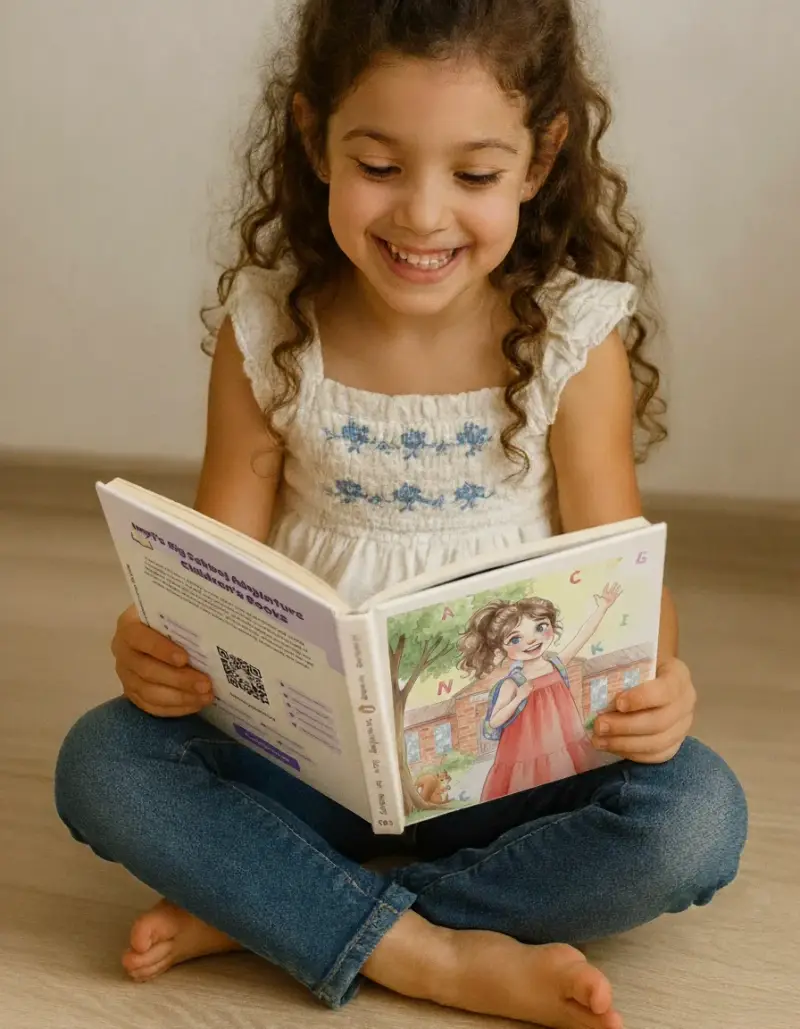
Astraphobia, the intense fear of thunder and lightning, affects approximately 2-3% of children and can significantly impact their daily lives, sleep patterns, and emotional well-being. While this fear is developmentally normal in young children, when it persists or becomes severe, it requires thoughtful intervention. Research from child psychology and bibliotherapy demonstrates that personalized stories featuring the child as the main character offer a powerful, evidence-based approach to helping children overcome storm-related fears.
A landmark study published in the Journal of Anxiety Disorders examined the effectiveness of bibliotherapy for specific phobias in children aged 4-8. The research found that children who read personalized stories where they appeared as the main character showed a 42% reduction in phobia severity compared to those who read generic fear-reduction books. The study attributed this significant difference to what psychologists call "identification and modeling" - when children see themselves successfully navigating fearful situations in a story, their brains process this as a real experience, creating neural pathways for confidence and emotional regulation.
Key insight 2
The power of personalization extends beyond simple character naming. Research from Harvard's Center on the Developing Child demonstrates that personalized narratives activate the same brain regions as real experiences, creating what neuroscientists term "mental rehearsal" for success. When a child reads about themselves learning about storms, understanding thunder and lightning, or using calming strategies during a storm, their brain doesn't distinguish between the narrative experience and actual experience. This neural activation builds familiarity and reduces the fear response, which is crucial for overcoming phobias.
One of the most compelling aspects of personalized storm books is their ability to combine scientific education with emotional support. A study from the University of Cambridge found that when children learn accurate, age-appropriate information about what causes thunder and lightning through personalized stories, they develop both cognitive understanding and emotional resilience. The research showed that children who understood the science behind storms demonstrated 50% less fear during actual thunderstorms and 60% more curiosity about weather phenomena. This combination of knowledge and emotional support creates what researchers call "cognitive restructuring" - replacing fearful thoughts with accurate, empowering information.
Key insight 3
The timing and method of exposure through personalized stories prove crucial for maximum effectiveness. Research indicates that optimal impact occurs when children are exposed to personalized storm books gradually, starting with calm explanations and building to more detailed storm scenarios. This approach, known as "graduated exposure," allows children to process information at their own pace while building confidence incrementally. Studies show that this gradual approach reduces anxiety by 35% more than sudden exposure to storm-related content.
Personalized books also address the critical need for predictability in children's lives, especially during anxiety-provoking situations. Research from child psychology demonstrates that children thrive on predictability and routine, particularly when facing fears. Personalized books create a sense of predictability by showing children exactly what to expect during storms - the sounds, the sights, the safety measures, and the coping strategies. This predictability reduces the cognitive load associated with uncertainty, allowing children to focus on learning and emotional regulation rather than fear management.
Key insight 4
The benefits extend beyond the individual child to the entire family system. Research shows that when parents read personalized storm books with their children, it creates opportunities for meaningful conversations about weather, safety, and emotions. These conversations strengthen parent-child bonds while providing children with emotional support and validation. Studies indicate that children whose parents engage in interactive reading of personalized storm books show improved emotional regulation and better communication skills during actual storms.
Furthermore, personalized storm books serve as "transitional objects" - psychological tools that help children bridge the gap between fear and confidence. Research from attachment theory demonstrates that transitional objects provide comfort and security during periods of anxiety. When a personalized book includes magical helper characters, calming techniques, or familiar elements, it becomes a portable source of comfort that children can reference when feeling anxious during storms.
Key insight 5
Research also highlights the importance of including accurate scientific information in personalized storm books. A study from the Journal of Child Psychology found that children who learned about the science behind storms through personalized stories showed significantly less fear and more curiosity about weather phenomena. The research demonstrated that understanding how thunder and lightning work - that lightning is electrical energy and thunder is the sound of rapidly expanding air - helps children reframe storms from mysterious threats to understandable natural events.
The research evidence overwhelmingly supports the use of personalized books for helping children overcome fear of thunder and lightning. These books combine multiple evidence-based techniques including cognitive behavioral therapy principles, exposure therapy, psychoeducation, and narrative therapy. The result is a comprehensive tool that addresses not just the fear itself, but the underlying cognitive patterns, emotional responses, and coping strategies needed for long-term resilience. For families seeking evidence-based approaches to support their children's emotional well-being during storms, personalized books represent a powerful, research-backed solution that transforms fear into understanding and anxiety into confidence.