Key insight 1
Starting a first activity class - whether soccer, ballet, judo, or any other extracurricular activity - represents a significant milestone in a child's social and emotional development. This experience involves navigating new social situations, learning new physical or creative skills, interacting with peers and instructors, and building confidence in unfamiliar environments. Research from child development, social psychology, and bibliotherapy demonstrates that personalized stories featuring the child as the main character offer a powerful, evidence-based approach to helping children prepare for and succeed in their first activity classes.
Extracurricular activities contribute significantly to children's confidence and social functioning. Research from high school students demonstrated that participation in sports strongly predicts higher confidence and better social interaction. A larger study found that extracurricular arts and sports activities are significantly associated with improvements in adolescents' social and emotional skills. Students who engage in both types see synergistic benefits, greater than just doing one or the other. These findings suggest that early positive experiences with activity classes can establish patterns of confidence and social engagement that benefit children throughout their development.
Key insight 2
The power of personalization in activity class books extends beyond simple character naming. Research from child psychology demonstrates that personalized narratives activate the same brain regions involved in social learning and identity formation, creating what neuroscientists term "mental rehearsal" for social situations. When a child reads about themselves joining a class, meeting new friends, learning new skills, and succeeding, their brain processes this as a real experience, strengthening neural pathways for social confidence and skill acquisition.
One of the most compelling aspects of personalized activity class books is their ability to combine social skills education with confidence building. Research shows that children who prepare for new social situations through stories demonstrate better social confidence, reduced anxiety, and increased willingness to participate. Personalized books can address specific concerns - making friends, following instructions, learning new skills, dealing with mistakes - while building excitement about the activity itself.
Key insight 3
The timing and method of exposure through personalized stories prove crucial for maximum effectiveness. Research indicates that optimal impact occurs when children are exposed to personalized activity class books proactively, before starting the class, and reactively, during the first few sessions. Studies show that children who prepare for activity classes through stories demonstrate better participation, improved social interactions, and increased confidence during initial sessions.
Personalized books also address the critical need for social skills development in activity class participation. Research demonstrates that children who understand social expectations, know how to interact with peers and instructors, and feel confident in new situations show better outcomes in extracurricular activities. Personalized activity class books create opportunities for children to see themselves successfully navigating social situations, making friends, and participating actively - building what psychologists call "social self-efficacy."
Key insight 4
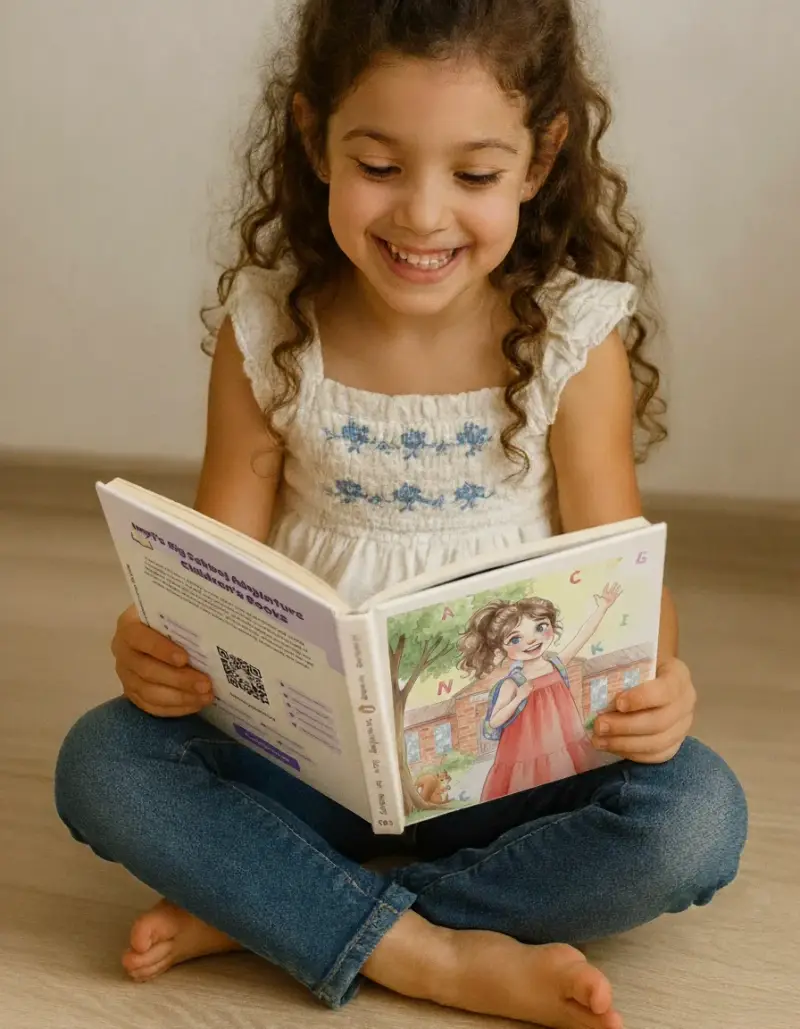
The benefits extend beyond the individual child to the entire family system. Research shows that when parents read personalized activity class books with their children, it creates opportunities for meaningful conversations about expectations, social situations, and achievement. These conversations strengthen parent-child bonds while providing children with emotional support and validation. Studies indicate that children whose parents engage in interactive reading of personalized social situation books show improved social confidence, better participation in activities, and stronger positive associations with extracurricular engagement.
Furthermore, personalized activity class books serve as "preparation tools" - psychological resources that help children bridge the gap between uncertainty and confidence. Research from developmental psychology demonstrates that having concrete examples and positive frameworks reduces anxiety while building excitement. When a personalized book includes specific class details, social situations, and positive outcomes, it becomes a portable resource that children can reference when facing challenges during activity classes.
Key insight 5
Research also highlights the importance of including realistic challenges and success themes in personalized activity class books. Studies show that children who see activity participation as a process involving learning, practice, and gradual improvement show better persistence than those who expect immediate mastery. Personalized books can normalize the learning process, showing children that making mistakes is normal, practice is necessary, and persistence leads to success - transforming potential anxiety into excitement.
Different activity types offer unique benefits that personalized books can highlight. Team sports like soccer enhance collaboration, communication, and social belonging - all of which play strong roles in confidence-building. Ballet enhances flexibility, balance, coordination, and emotional expression while building courage through performance. Judo emphasizes respect, discipline, self-control, and learning from failure, helping children develop both physical and emotional resilience. Personalized books can emphasize these specific benefits while addressing the unique aspects of each activity type.
Key insight 6
For children with social anxiety or developmental differences, personalized activity class books can be especially valuable when combined with other interventions. Research shows that inclusive activity settings with trained instructors help all children feel supported and succeed. Personalized books can reinforce this support while building confidence and reducing anxiety. The combination of appropriate activity support and personalized storytelling creates a comprehensive approach that addresses both social and emotional needs.
The research evidence overwhelmingly supports the use of personalized books for helping children prepare for first activity classes. These books combine multiple evidence-based techniques including social skills education, confidence building, anxiety reduction, social modeling, and narrative therapy. The result is a comprehensive tool that addresses not just the activity itself, but the underlying confidence, social skills, and positive mindset needed for successful participation. For families seeking evidence-based approaches to support their children's first activity class experience, personalized books represent a powerful, research-backed solution that transforms anxiety into excitement and uncertainty into confidence.