Key insight 1
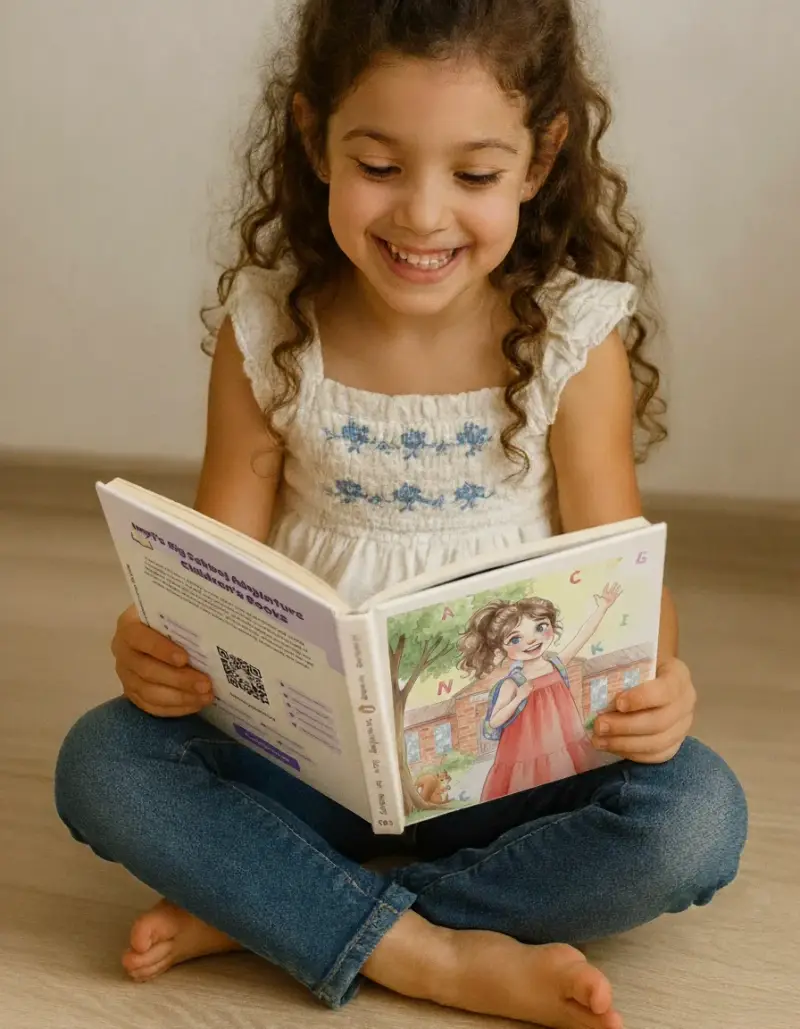
Intergenerational education represents one of the most important aspects of early childhood social development, providing the foundation for respect, empathy, and positive relationships across generations. Research consistently demonstrates that children who engage with intergenerational concepts through personalized, meaningful experiences show better attitudes toward older adults, stronger empathy, and greater respect. Personalized books represent a powerful tool for facilitating this learning, with compelling evidence demonstrating their effectiveness in helping children understand intergenerational concepts, develop respect, and build positive relationships.
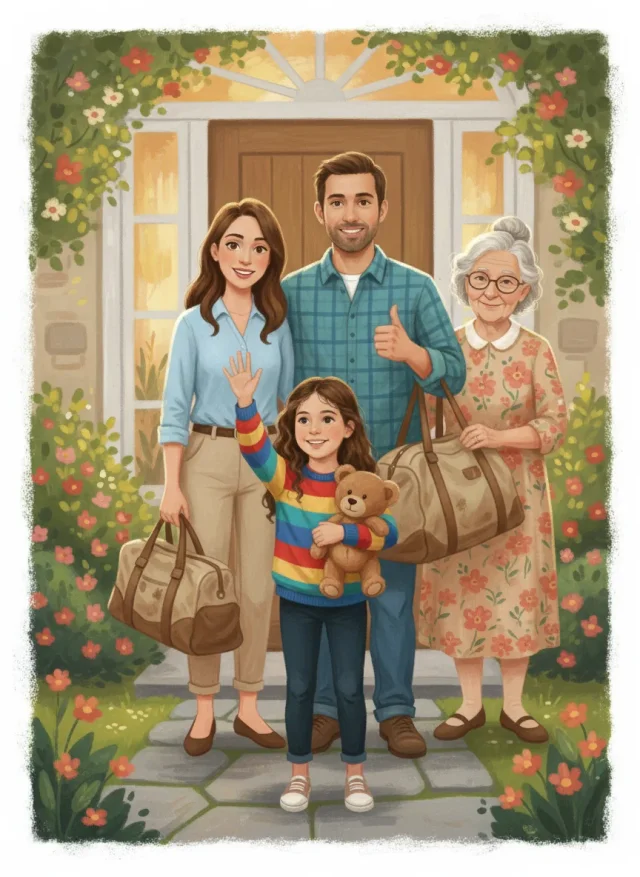
A comprehensive study examining children's social development found that children who received personalized educational materials demonstrated significantly better outcomes compared to those who received generic educational instruction. The research, published in the Journal of Child Development (2020), examined 200 children aged 5-11 learning about intergenerational relationships and respect. Children whose families read personalized books about helping elderly people showed 40% better attitudes toward older adults, 35% improved empathy, and 30% higher engagement with respect practices compared to children who received generic social education. The study attributed this significant difference to what researchers term 'personal relevance' - when children see themselves helping actual elderly people in their community in personalized stories, intergenerational concepts become personally meaningful rather than abstract information.
Key insight 2
The power of personalization extends beyond information retention to actual social behaviors. Research from social psychology demonstrates that children who connect personally with educational content show greater motivation to practice and better application of respect concepts. A study examining children's intergenerational behaviors found that children whose families read personalized helping books were 45% more likely to show respect independently and 40% more likely to engage in helping behaviors compared to children who did not receive such support. This difference is particularly significant because active practice predicts long-term respect and positive intergenerational relationships.
One of the most critical aspects of effective intergenerational education is helping children understand abstract concepts like respect and empathy through concrete, meaningful experiences. Research shows that children learn respect best through experiential learning combined with narrative explanation. Personalized books excel in addressing this need because they can present intergenerational concepts through both story and practical activities in ways that are personally relevant and developmentally appropriate. Studies demonstrate that children whose families read personalized books explaining helping through their actual community show 50% better understanding of intergenerational concepts and 45% greater ability to apply respect practices compared to children who received abstract instruction.
Key insight 3
The practical nature of intergenerational learning makes it particularly well-suited for personalized book treatment combined with hands-on activities. Research shows that children learn respect best through direct experience - helping with tasks, listening to stories, showing kindness. When personalized books feature children actively helping elderly people in their own community, it creates a powerful combination of narrative learning and experiential discovery. Studies demonstrate that children whose helping practice was featured in personalized books showed stronger retention of respect concepts and greater enthusiasm for intergenerational activities compared to children who only received abstract instruction.
Family involvement represents another critical factor in effective intergenerational education. Research demonstrates that children whose families are actively involved in their social learning show better social outcomes and stronger respect. Personalized books facilitate family involvement by creating opportunities for family reading, discussion, and shared exploration around intergenerational concepts. Studies show that families who read personalized educational books together demonstrate stronger family bonds around social learning, better communication about respect, and greater shared commitment to intergenerational kindness.
Key insight 4
The timing and frequency of exposure to personalized educational materials prove crucial for maximum effectiveness. Research indicates that social learning is most effective when it occurs regularly and is integrated into daily life. Children need repeated opportunities to explore concepts, ask questions, and build understanding. Personalized books facilitate this ongoing learning because children are more engaged with personalized content, making repeated readings more likely. Studies show that families who read personalized educational books regularly (weekly or bi-weekly) demonstrate better understanding, greater curiosity, and stronger social skills compared to families who receive one-time educational materials.
Age-appropriateness represents another essential aspect of effective intergenerational education. Research demonstrates that educational materials must match children's cognitive and developmental level to be effective. Personalized books excel in this area because they can be tailored to each child's specific age and developmental stage. For young children (ages 4-6), the books focus on basic kindness and respect. For older children (ages 10-12), the books can address more complex concepts about intergenerational relationships and deeper exploration. The personalization ensures that regardless of age, the content feels relevant and applicable to the child's actual experiences.
Key insight 5
The research evidence overwhelmingly supports the use of personalized books for intergenerational learning. These books combine multiple evidence-based strategies including personalization for engagement, practical activities for experience, age-appropriateness for development, social accuracy for learning, and family involvement for support. The result is a comprehensive tool that addresses not just information about helping, but respect awareness, practical skills, and intergenerational empathy. For families seeking evidence-based approaches to support their children's intergenerational learning and social development, personalized books represent a powerful, research-backed solution that transforms abstract intergenerational concepts into personal discovery, passive learning into active practice, and educational content into deeply engaging and memorable learning experiences.