Learning to ride a bicycle without training wheels represents one of the most significant physical milestones in early childhood development. This achievement requires complex motor skills including balance, coordination, spatial awareness, and proprioception, while also demanding emotional resilience to overcome fear of falling, frustration with initial failures, and anxiety about physical challenges. Research from motor development, child psychology, and bibliotherapy demonstrates that personalized stories featuring the child as the main character offer a powerful, evidence-based approach to supporting children through this challenging yet rewarding journey.
Motor development research reveals fascinating insights about the most effective approaches to learning bike riding. A comprehensive study examining 4- to 6-year-olds found that children who used balance bikes (pedal-less bikes) typically started younger, practiced for less total time, and reached independent cycling earlier compared to children who used training wheels. The research demonstrated that balance bikes force learners to engage in dynamic balance and steering from the start, encouraging variability of movement, adaptive responses to instability, and earlier control of posture. Training wheels, by contrast, tend to reduce exposure to these essential skills until much later in the learning process.
Perhaps even more striking, data from nearly 2,000 children in Portugal showed that the average age of independent cycling was approximately 4.16 years when a balance bike was used first, compared to 5.97 years with training wheels. This represents nearly two years of difference in achieving this milestone. In one intervention study, 100% of children in the balance bike group succeeded in mastering key milestones including launching, riding, braking, and independent cycling, compared to approximately 77% in the training-wheeled group.
The power of personalization in bike learning books extends beyond simple character naming. Research from motor development psychology demonstrates that personalized narratives activate the same brain regions involved in motor planning and skill acquisition, creating what neuroscientists term "mental rehearsal" for physical skills. When a child reads about themselves learning to balance, practicing, falling, getting back up, and eventually riding independently, their brain processes this as a real experience, strengthening neural pathways for motor learning and confidence building.
One of the most compelling aspects of personalized bike learning books is their ability to combine motor skills education with emotional support. A study examining children reading stories about learning to ride bikes found that discussing characters' feelings helped children understand fear, courage, persistence, and relate to these emotions. Children who read personalized stories about bike learning talked more openly about their own fears, developed better emotional vocabulary around physical challenges, and showed increased willingness to attempt bike riding.
The timing and method of exposure through personalized stories prove crucial for maximum effectiveness. Research indicates that optimal impact occurs when children are exposed to personalized bike learning books proactively, before beginning bike riding practice, and reactively, during the learning process. Studies show that children who prepare for bike learning through stories demonstrate better motor confidence, reduced fear of falling, and increased persistence during practice sessions.
Personalized books also address the critical need for confidence building in physical skill development. Research from child psychology demonstrates that fear of falling and embarrassment about failures can significantly impede motor skill acquisition. Personalized bike learning books create opportunities for children to see themselves overcoming challenges, persisting through difficulties, and achieving success. This mental rehearsal builds what psychologists call "self-efficacy" - the belief in one's ability to succeed - which is crucial for motor skill development.
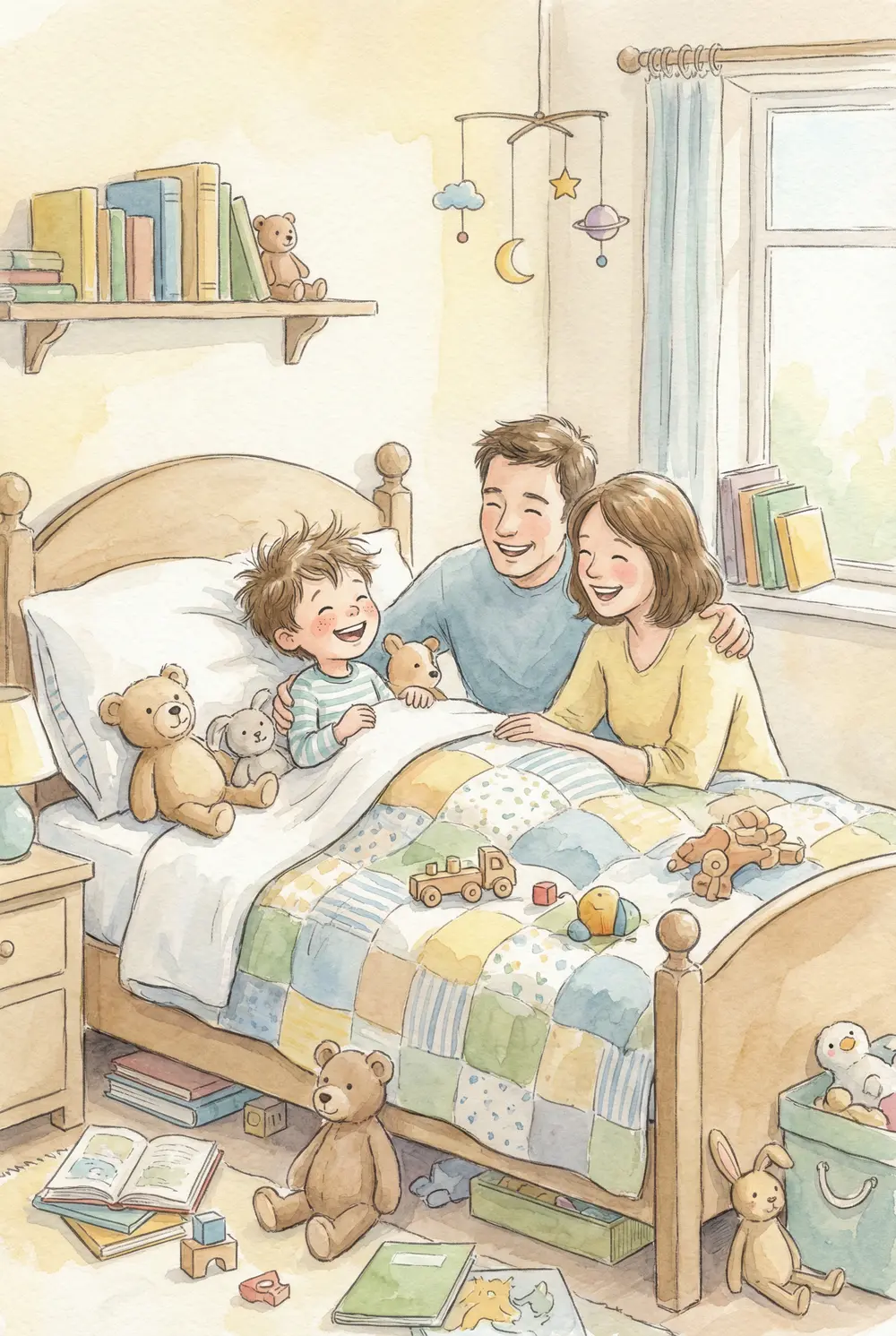
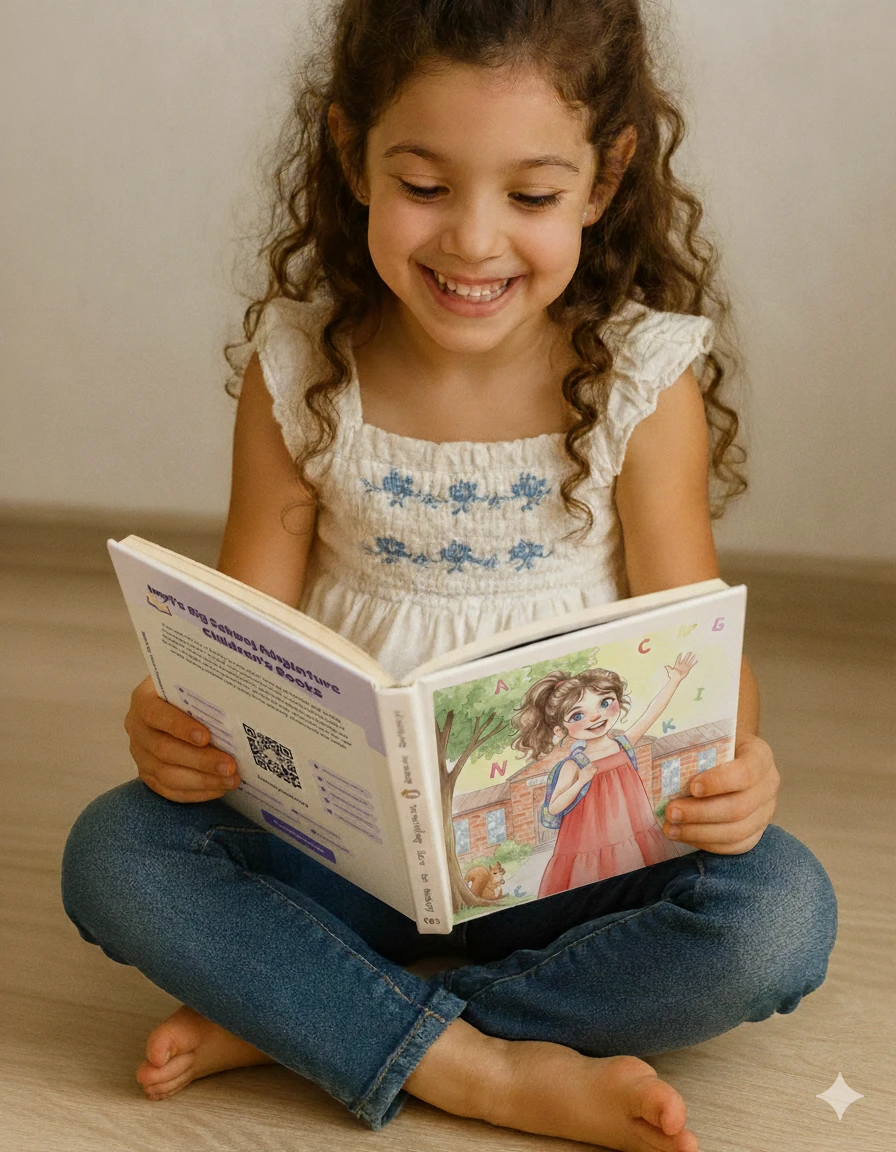
The benefits extend beyond the individual child to the entire family system. Research shows that when parents read personalized bike learning books with their children, it creates opportunities for meaningful conversations about physical challenges, fear, persistence, and achievement. These conversations strengthen parent-child bonds while providing children with emotional support and validation. Studies indicate that children whose parents engage in interactive reading of personalized physical milestone books show improved motor confidence, better persistence during practice, and stronger positive associations with physical challenges.
Furthermore, personalized bike learning books serve as "confidence tools" - psychological resources that help children bridge the gap between fear and courage. Research from developmental psychology demonstrates that having concrete examples and positive frameworks reduces anxiety while building confidence. When a personalized book includes specific balance techniques, practice strategies, and positive outcomes, it becomes a portable resource that children can reference when facing challenges during bike learning.
Research also highlights the importance of including realistic challenges and persistence themes in personalized bike learning books. Studies show that children who see bike learning as a process involving falls, practice, and gradual improvement show better persistence than those who expect immediate success. Personalized books can normalize the learning process, showing children that falling is normal, practice is necessary, and persistence leads to success - transforming potential frustration into determination.
For children with motor challenges or higher body mass index, personalized bike learning books can be especially valuable when combined with appropriate physical interventions. Research shows that children with higher BMI benefit especially well from balance-focused approaches, and personalized books can reinforce these strategies while building confidence. The combination of appropriate physical support and personalized storytelling creates a comprehensive approach that addresses both motor and emotional needs.
The research evidence overwhelmingly supports the use of personalized books for helping children learn to ride bikes. These books combine multiple evidence-based techniques including motor skills education, confidence building, fear reduction, persistence encouragement, and narrative therapy. The result is a comprehensive tool that addresses not just the physical skills needed for bike riding, but the underlying confidence, emotional resilience, and positive mindset needed for successful motor skill development. For families seeking evidence-based approaches to support their children's bike learning journey, personalized books represent a powerful, research-backed solution that transforms fear into courage and frustration into determination.