Key insight 1
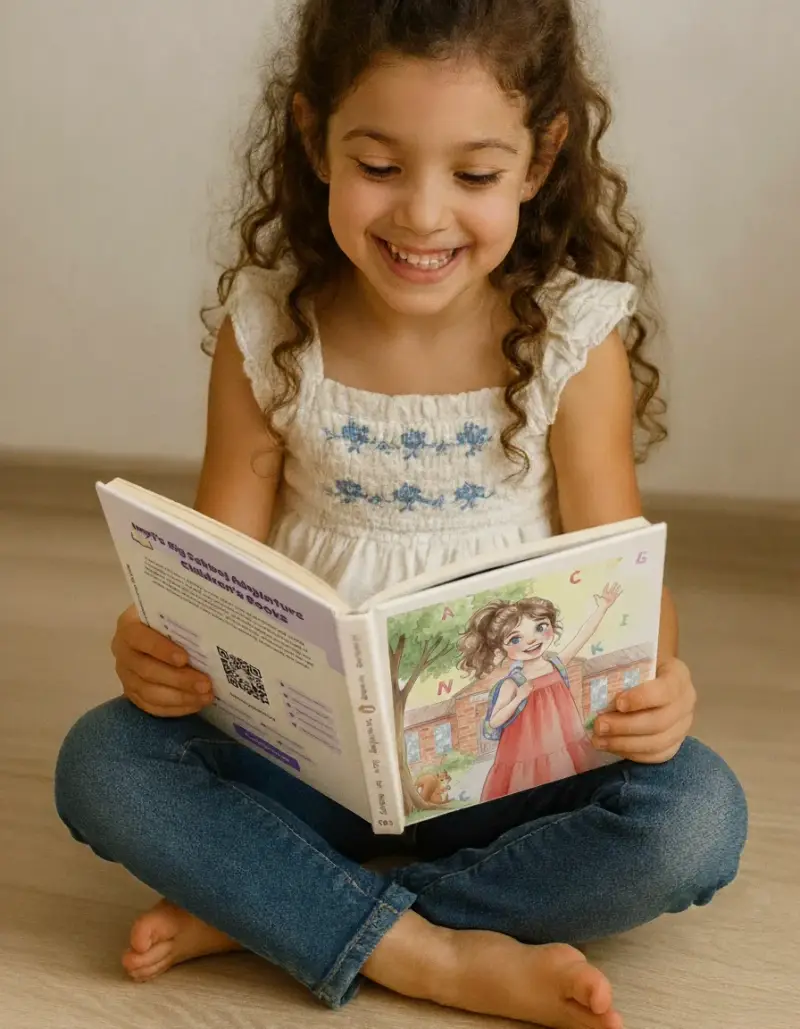
Learning to tie shoelaces represents one of the most significant fine motor milestones in early childhood development. This skill requires complex coordination of fine motor skills, bilateral coordination, hand-eye coordination, attention, motor planning, and visual discrimination. Beyond the physical skills involved, shoe-tying represents a crucial step toward independence and self-care autonomy. Research from child development, occupational therapy, and bibliotherapy demonstrates that personalized stories featuring the child as the main character offer a powerful, evidence-based approach to supporting children through this challenging yet rewarding learning process.
Developmental research reveals important insights about the timing and complexity of shoe-tying. Children typically begin developing the fine motor skills needed for shoe-tying between ages 5 to 7, though there is wide variation. The natural "readiness" to tie shoes depends less on exact age and more on whether a child has practice with similar fine motor tasks such as buttoning, cutting shapes, or bead threading. Wearing velcro or slip-on shoes exclusively can delay exposure to lace-tying and therefore delay mastery. Some children may still be mastering this skill by age 7-8, which is developmentally normal.
Key insight 2
The power of personalization in shoe-tying books extends beyond simple character naming. Research from motor development psychology demonstrates that personalized narratives activate the same brain regions involved in motor planning and skill acquisition, creating what neuroscientists term "mental rehearsal" for fine motor tasks. When a child reads about themselves learning to tie shoes, practicing the steps, and achieving success, their brain processes this as a real experience, strengthening neural pathways for fine motor learning and building confidence in their ability to master the skill.
One of the most compelling aspects of personalized shoe-tying books is their ability to combine fine motor skills education with independence building. Research shows that learning to tie shoelaces is more than a motor skill - it signals increasing self-care and autonomy. When children can manage their own shoes, they gain confidence in daily routines, reduce dependence on caregivers, and develop stamina for multi-step tasks. Personalized books can emphasize this independence while providing step-by-step guidance that supports skill acquisition.
Key insight 3
The timing and method of exposure through personalized stories prove crucial for maximum effectiveness. Research indicates that optimal impact occurs when children are exposed to personalized shoe-tying books proactively, before beginning practice, and reactively, during the learning process. Studies show that children who prepare for fine motor tasks through stories demonstrate better persistence, reduced frustration, and increased confidence during practice sessions.
Personalized books also address the critical need for task sequencing in shoe-tying instruction. Research from occupational therapy demonstrates that breaking shoe-tying into smaller constituent steps (cross & pull → make loop → second loop → knot) helps avoid overwhelming the learner. Personalized books can embed this task analysis within narrative structure, presenting each step as part of a story progression. This approach helps children internalize the sequence while maintaining engagement and motivation.
Key insight 4
The benefits extend beyond the individual child to the entire family system. Research shows that when parents read personalized shoe-tying books with their children, it creates opportunities for meaningful conversations about independence, practice, and achievement. These conversations strengthen parent-child bonds while providing children with emotional support and validation. Studies indicate that children whose parents engage in interactive reading of personalized skill-learning books show improved persistence, better fine motor development, and stronger positive associations with independence tasks.
Furthermore, personalized shoe-tying books serve as "motivation tools" - psychological resources that help children bridge the gap between frustration and persistence. Research from developmental psychology demonstrates that learning fine motor skills can be frustrating, and children may experience emotional responses during practice. Personalized books can address this by modeling persistence, normalizing frustration, and showing eventual success. When a personalized book includes specific techniques, practice strategies, and positive outcomes, it becomes a portable resource that children can reference when facing challenges during learning.
Key insight 5
Research also highlights the importance of including visual supports and step-by-step guidance in personalized shoe-tying books. Studies show that using different colored laces, visual cues, and clear step sequences supports learning. Personalized books can incorporate these elements naturally within the story, showing children how to identify left and right, follow sequences, and practice each step. This visual and narrative combination creates a comprehensive learning tool that addresses both cognitive understanding and motor skill development.
For children with fine motor challenges or developmental differences, personalized shoe-tying books can be especially valuable when combined with other interventions. Research shows that occupational therapy techniques like backward chaining (starting with the last step and gradually adding earlier ones) help build momentum and success. Personalized books can reinforce these techniques while building confidence and reducing frustration. The combination of appropriate motor support and personalized storytelling creates a comprehensive approach that addresses both physical and emotional needs.
Key insight 6
The research evidence supports the use of personalized books for helping children learn to tie shoes, drawing on bibliotherapy research that shows stories can support skill learning, emotional regulation, and motivation. While direct research on bibliotherapy for motor skills is limited, evidence from related domains (emotional support, task sequencing, motivation building) suggests that personalized books can effectively support shoe-tying learning. These books combine multiple evidence-based techniques including fine motor skills education, task sequencing, independence building, persistence encouragement, and narrative therapy. The result is a comprehensive tool that addresses not just the physical skills needed for shoe-tying, but the underlying confidence, emotional resilience, and positive mindset needed for successful skill acquisition. For families seeking evidence-based approaches to support their children's shoe-tying journey, personalized books represent a powerful, research-backed solution that transforms frustration into persistence and dependence into independence.