Key insight 1
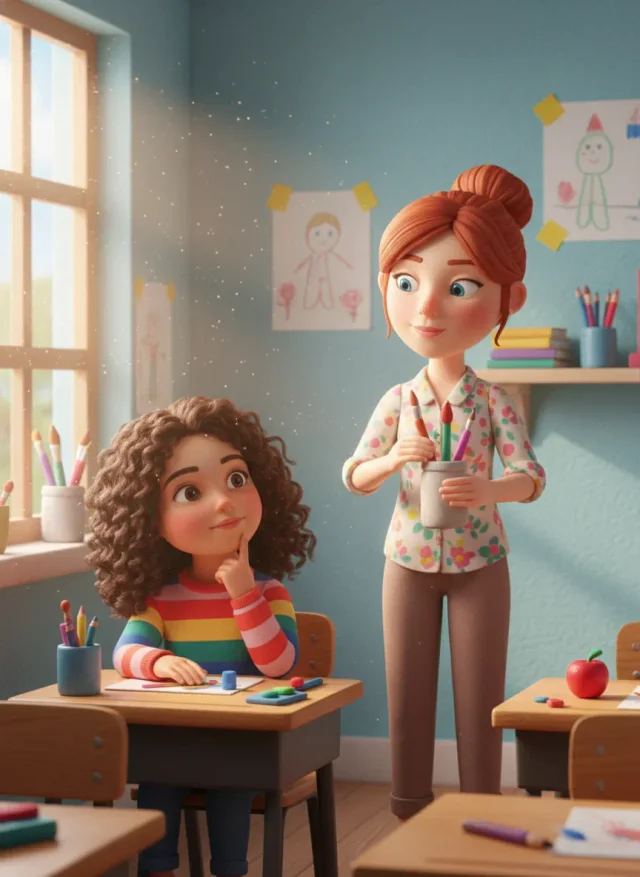
Artistic expression serves as one of the most powerful tools for children's cognitive and emotional development. When children engage with art - whether through painting, drawing, or creative storytelling - they activate multiple areas of their brain simultaneously. Research in developmental psychology consistently shows that art activities enhance problem-solving abilities, emotional regulation, and creative thinking.
Neuroscientists have discovered that when children create art, their brains show increased activity in regions associated with imagination, memory formation, and emotional processing. This neural activation becomes even more pronounced when children are encouraged to imagine themselves within their creative works. The concept of stepping into a painting or artwork isn't merely fantasy - it represents a sophisticated form of mental simulation that helps children develop perspective-taking abilities and abstract thinking.
Key insight 2
Studies examining children's engagement with fantasy narratives reveal fascinating patterns. Children who regularly engage with imaginative play involving art and creative worlds demonstrate stronger narrative comprehension skills, better emotional vocabulary, and enhanced ability to understand others' perspectives. These benefits extend beyond childhood, influencing academic performance and social-emotional competence throughout development.
The psychological concept of 'transportation' - the feeling of being fully absorbed in a narrative world - has been extensively studied in relation to children's literature and storytelling. When children imagine themselves inside their own paintings, they experience a form of creative transportation that allows them to explore possibilities, experiment with different scenarios, and develop flexible thinking patterns.
Key insight 3
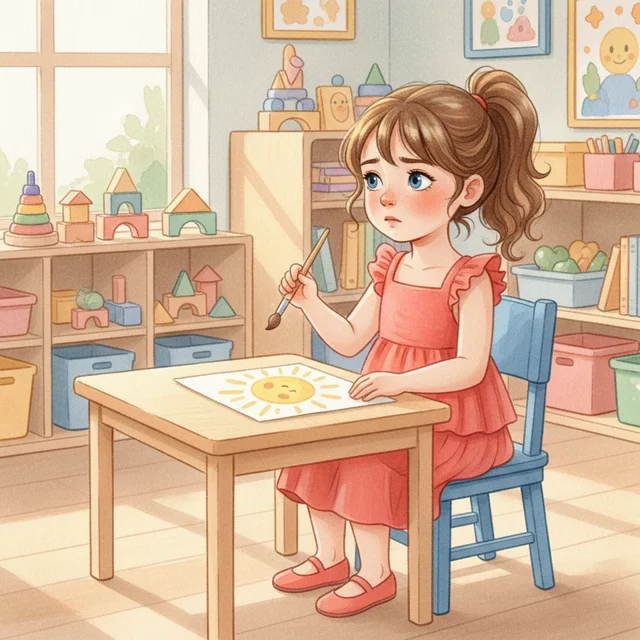
Art therapy research demonstrates that children use creative expression as a natural language for processing emotions and experiences they might struggle to articulate verbally. When children paint or draw, they externalize internal experiences, making abstract feelings tangible. The act of imagining stepping into that artwork further deepens this process, allowing children to interact with their emotions in a safe, controlled environment.
Educational research on arts integration shows that children who participate in regular art activities alongside academic learning demonstrate improved memory retention, enhanced critical thinking skills, and greater engagement with learning materials. The multisensory nature of art creation - combining visual, tactile, and sometimes auditory elements - creates rich neural pathways that support various forms of learning.
Key insight 4
Developmental psychologists studying pretend play have identified that children's ability to imagine themselves in different scenarios - including fantastical ones like being inside a painting - correlates with advanced theory of mind development. This means children who engage regularly with creative fantasy scenarios better understand that others have different thoughts, feelings, and perspectives than their own.
Research on creativity and innovation consistently shows that exposure to diverse artistic experiences during childhood predicts creative problem-solving abilities in adulthood. Children who are encouraged to explore imaginative scenarios, including fantastical ones involving their own artwork, develop cognitive flexibility that serves them throughout life.
Key insight 5
The emotional benefits of artistic engagement extend to stress reduction and emotional regulation. Studies measuring cortisol levels and emotional states in children before and after art activities consistently show reductions in stress markers and improvements in mood. When children imagine themselves in peaceful, beautiful artistic worlds they've created, these benefits amplify.
Cultural psychology research highlights how different societies value and encourage artistic expression differently, but universally, children who have opportunities for creative expression show better emotional well-being and social connection. The act of creating art and then imagining entering that art represents a form of cultural participation that helps children understand themselves as creators and agents of their own experiences.
Key insight 6
Longitudinal studies following children from early childhood through adolescence demonstrate that those with regular opportunities for artistic expression and imaginative play show better academic outcomes, particularly in areas requiring creative thinking and problem-solving. These children also demonstrate greater resilience when facing challenges and more sophisticated emotional understanding.
The intersection of art, imagination, and narrative creates powerful learning opportunities. When children create paintings and then imagine stories about entering those paintings, they engage in complex cognitive processes involving spatial reasoning, narrative construction, and emotional processing simultaneously. This integrated approach to learning supports holistic development.
Key insight 7
Modern research on digital art and traditional art creation shows that both forms offer valuable developmental benefits, though they activate the brain somewhat differently. Traditional painting and drawing provide tactile feedback and fine motor skill development, while digital art offers different forms of creative expression. Both can serve as springboards for imaginative adventures.
Understanding these research findings helps parents and educators appreciate the profound value of encouraging children to engage with art creatively, including imagining themselves within their creative works. This isn't mere play - it's sophisticated cognitive and emotional development happening through natural, enjoyable activities.