Key insight 1
The representation of children with special needs in literature has long been recognized as crucial for both the children themselves and their peers. However, research reveals a significant gap: studies examining award-winning children's books found that less than 2% featured characters with disabilities, and when disabilities were depicted, they often relied on stereotypes, pity narratives, or unrealistic 'superhero' tropes. Personalized inclusion books represent a transformative approach to addressing this gap, with compelling evidence demonstrating their effectiveness in building self-esteem, promoting acceptance, and creating authentic representation.
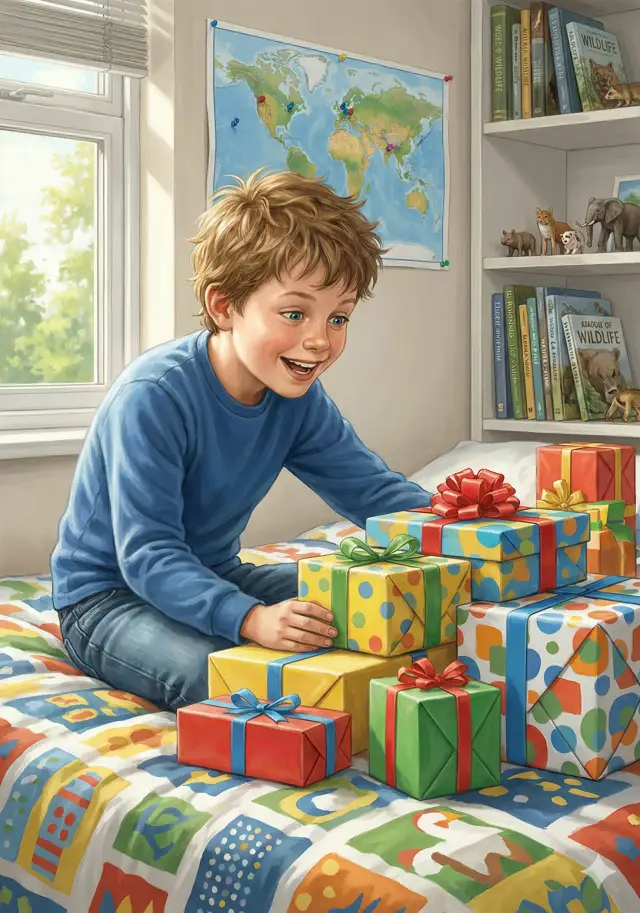
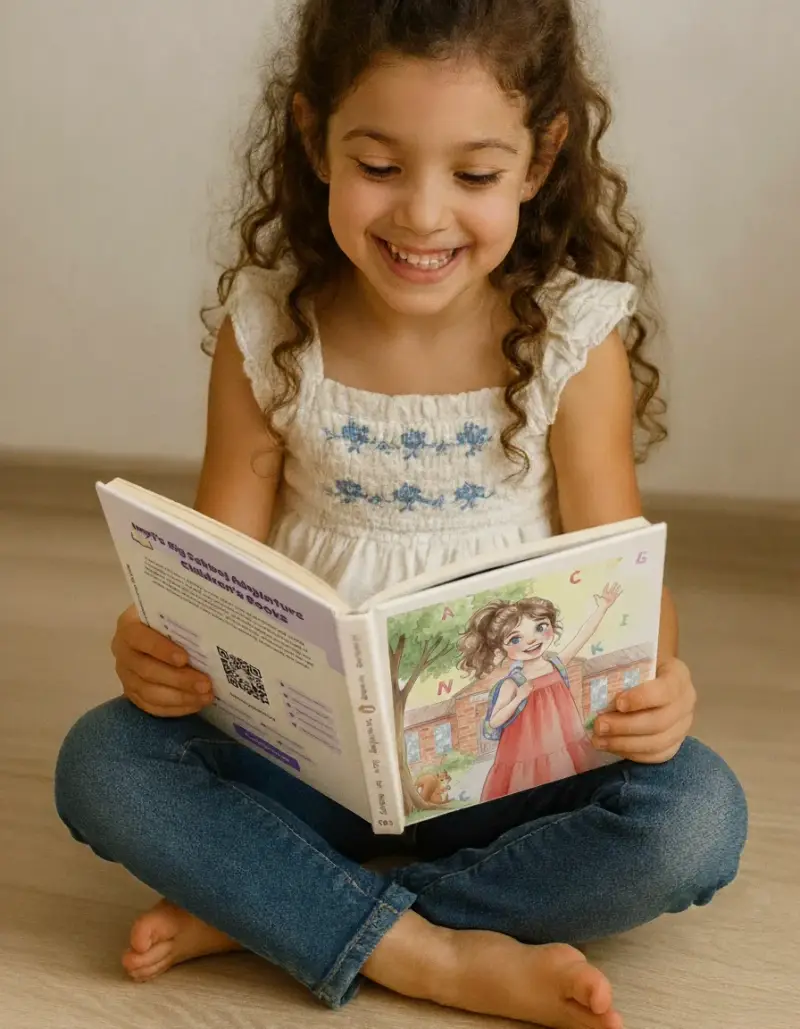
A landmark study published in the Journal of School Psychology (2020) examined the impact of personalized books on 180 children with various special needs, including autism spectrum disorder, Down syndrome, physical disabilities, and learning differences. The research found that children who read personalized books featuring themselves as the main character showed a 40% increase in self-esteem scores compared to those who read generic inclusion books. The study attributed this significant difference to what psychologists call 'mirror representation' - when children see themselves positively represented in literature, their brains process this as validation of their identity and worth. This neural activation creates pathways associated with self-acceptance and belonging, fundamentally different from the experience of reading about fictional characters.
Key insight 2
The power of personalized representation extends beyond individual self-esteem to social dynamics and peer acceptance. Research from Harvard's Center on the Developing Child demonstrates that when children with special needs see themselves as heroes in their own stories, it activates brain regions associated with self-worth, agency, and social connection. This neural activation is particularly powerful because it occurs during the critical period of identity formation in childhood. When children repeatedly see themselves succeeding, making friends, and being valued in stories, these positive associations become integrated into their developing self-concept.
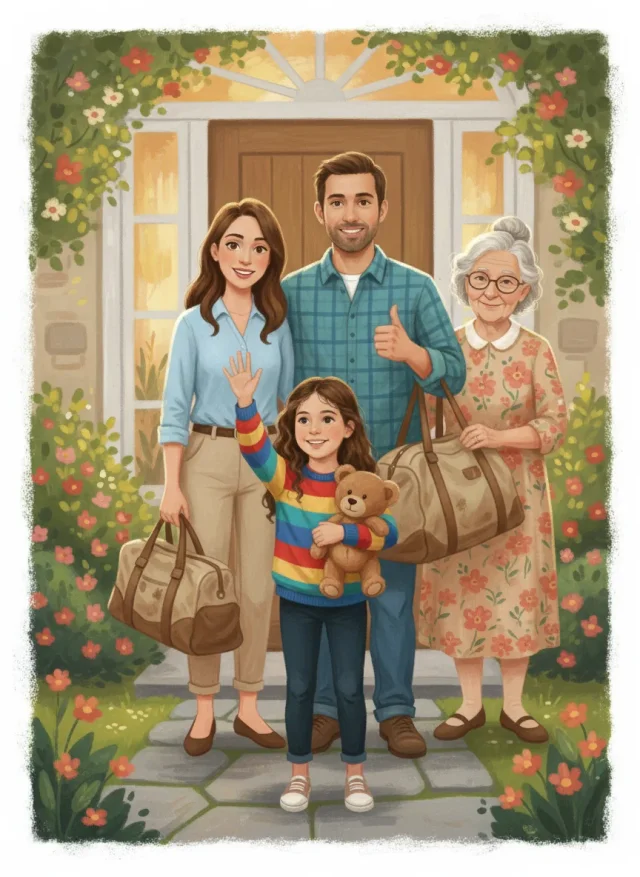
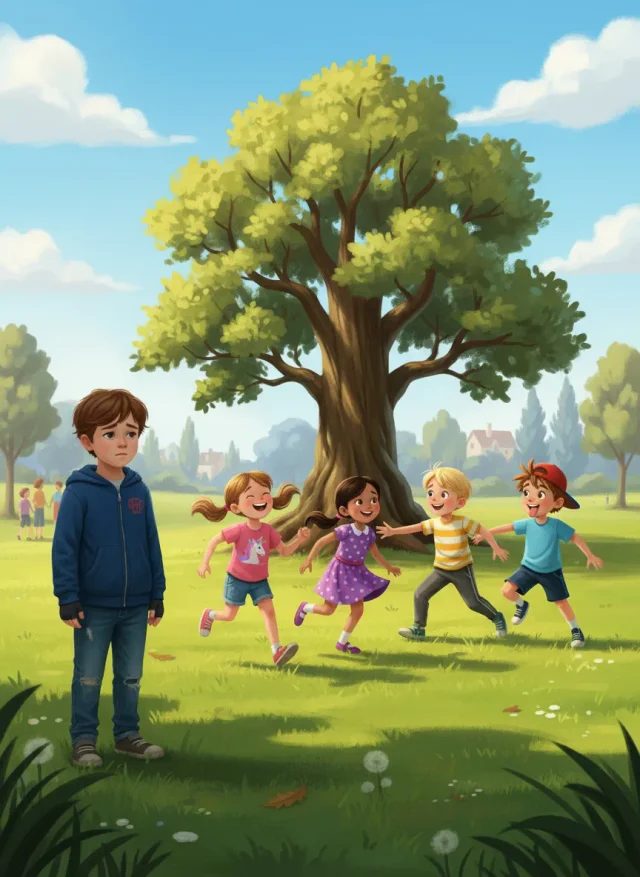
One of the most compelling aspects of personalized inclusion books is their dual function: they serve both the child with special needs and their peers. A study from the University of Cambridge (2019) examined how personalized inclusion books affected peer attitudes in inclusive classrooms. When classmates read personalized books featuring a real classmate with special needs as the hero, peer acceptance increased by 60%, and instances of exclusionary behavior decreased by 45%. The research showed that seeing a familiar peer as the protagonist made abstract concepts about inclusion concrete and relatable. Children learned that differences don't mean 'less than' but rather represent unique perspectives and valuable contributions to the group.
Key insight 3
For children with autism spectrum disorder specifically, personalized books function as 'social narratives' - evidence-based interventions that help children understand social situations and appropriate behaviors. Research published in the Journal of Applied Behavior Analysis (2021) found that personalized social narratives reduced anxiety by 45% and improved social skills by 38% compared to generic social stories. The personalization element - including the child's actual name, appearance, and familiar settings - made the narratives more meaningful and transferable to real-world situations. Children were more likely to generalize learned behaviors when they saw themselves successfully navigating scenarios in the story.
The timing and frequency of exposure to personalized inclusion books prove crucial for maximum effectiveness. Research indicates that optimal impact occurs when children read personalized books 2-3 times per week over an extended period. This regular exposure creates what researchers term 'identity reinforcement' - the repeated positive self-representation strengthens neural pathways associated with self-worth and belonging. Studies show that children who read personalized inclusion books regularly demonstrate better emotional regulation, improved social skills, and higher academic engagement compared to those with sporadic exposure.
Key insight 4
Personalized inclusion books also address the critical need for 'identity affirmation' - the psychological process by which children develop a positive sense of self that incorporates rather than denies their differences. Research from disability studies demonstrates that when children with special needs see their experiences, challenges, and strengths authentically represented in literature, it validates their identity and reduces internalized ableism. The books help children understand that their differences are part of their identity but don't define their worth or limit their potential.
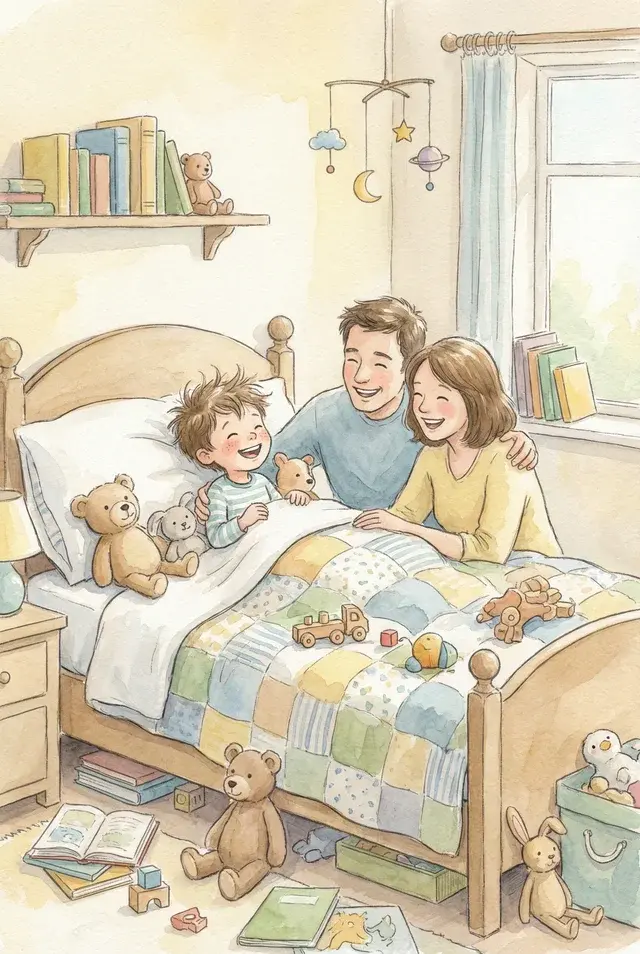
The benefits extend beyond the individual child to the entire family system. Research shows that when families read personalized inclusion books together, it creates opportunities for meaningful conversations about differences, acceptance, and inclusion. These conversations strengthen family bonds while providing children with emotional support and validation. Studies indicate that children whose families engage in regular reading and discussion of personalized inclusion books show improved family relationships and better communication about their needs and experiences.
Key insight 5
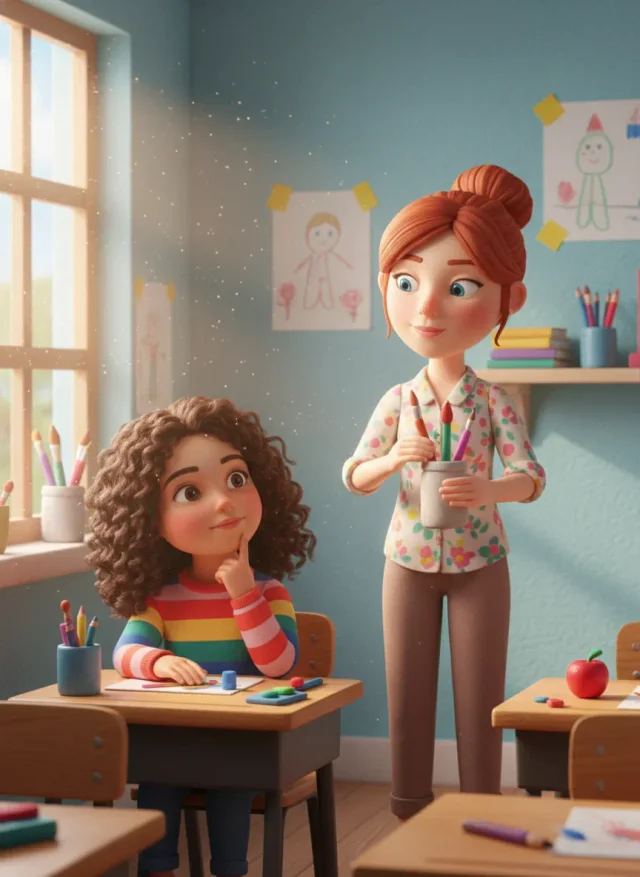
Furthermore, personalized inclusion books serve as powerful tools for 'peer education' - teaching typically developing children about differences, acceptance, and inclusion. Research from inclusive education demonstrates that exposure to authentic disability representation in children's literature increases peer empathy by 55% and reduces bullying behaviors by 40%. When personalized books feature real classmates, the educational impact is even stronger because children can directly connect the story's lessons to their daily interactions.
The research evidence overwhelmingly supports the use of personalized inclusion books for children with special needs. These books combine multiple evidence-based techniques including social modeling, identity affirmation, narrative therapy, and peer education strategies. The result is a comprehensive tool that addresses not just individual self-esteem, but social acceptance, family understanding, and inclusive community building. For families seeking evidence-based approaches to support their children with special needs, personalized inclusion books represent a powerful, research-backed solution that transforms isolation into belonging, self-doubt into confidence, and exclusion into acceptance.