Key insight 1
Nail biting (onychophagia) represents one of the most common habits in school-age children, affecting over 20% of children and often persisting into adulthood if not addressed. This habit is not merely a physical behavior but is deeply intertwined with emotional regulation, anxiety management, and self-control. Research from behavioral psychology, habit-breaking interventions, and bibliotherapy demonstrates that personalized stories featuring the child as the main character offer a powerful, evidence-based approach to helping children break the nail-biting habit and develop self-control.
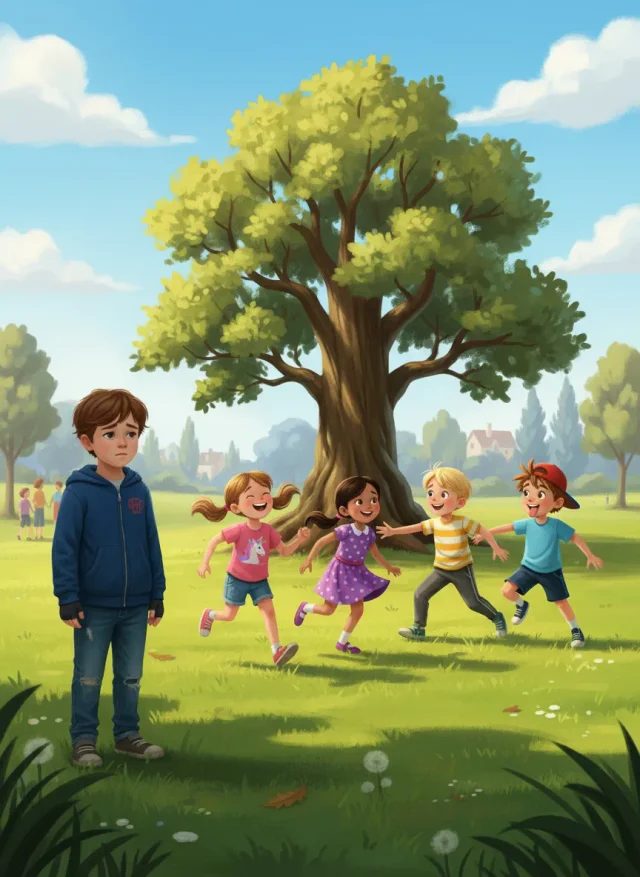
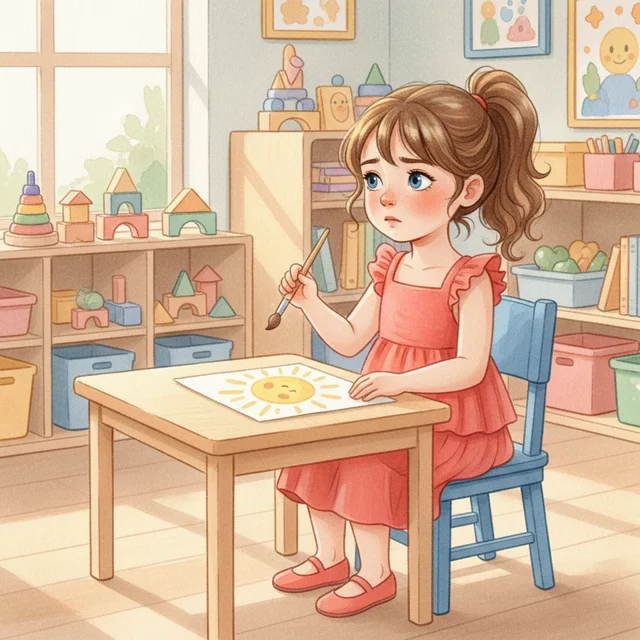
Nail biting research reveals important insights about the psychological and emotional factors underlying this habit. Studies show that nail biting is associated with emotional and behavioral difficulties, with children who habitually bite nails showing more symptoms such as anxiety, loneliness, or weaker prosocial behaviors compared to children without the habit. Factors like stress, family issues, peer or teacher disapproval, and feeling inadequacy or shame often accompany or exacerbate nail-biting. These findings suggest that nail-biting is not purely a physical habit but is intertwined with emotional regulation and social norms.
Key insight 2
The power of personalization in nail-biting books extends beyond simple character naming. Research from behavioral psychology demonstrates that personalized narratives activate the same brain regions involved in self-control and habit regulation, creating what neuroscientists term "mental rehearsal" for habit-breaking. When a child reads about themselves recognizing triggers, using coping strategies, and successfully stopping nail biting, their brain processes this as a real experience, strengthening neural pathways for self-control and reducing automatic habit responses.
One of the most compelling aspects of personalized nail-biting books is their ability to combine habit-breaking education with self-control building. Research shows that empowerment programs using models that integrate beliefs, attitudes, and self-efficacy have been shown to increase knowledge, shift attitudes, bolster self-efficacy, and reduce frequency of nail-biting in children aged 6–18. Personalized books can model these empowerment approaches while showing children how to feel confident and in control of their behavior.
Key insight 3
The timing and method of exposure through personalized stories prove crucial for maximum effectiveness. Research indicates that optimal impact occurs when children are exposed to personalized nail-biting books proactively, before beginning habit-breaking efforts, and reactively, during the breaking process. Studies show that children who prepare for habit-breaking through stories demonstrate better self-awareness, improved use of coping strategies, and increased self-efficacy in stopping nail biting.
Personalized books also address the critical need for self-awareness in habit-breaking. Research demonstrates that much nail-biting is automatic, and awareness is necessary to break the automatic loop. Personalized books can incorporate trigger identification naturally within the story, showing children how to notice when they feel the urge to bite and what situations trigger this behavior. This self-awareness component is essential for successful habit-breaking.
Key insight 4
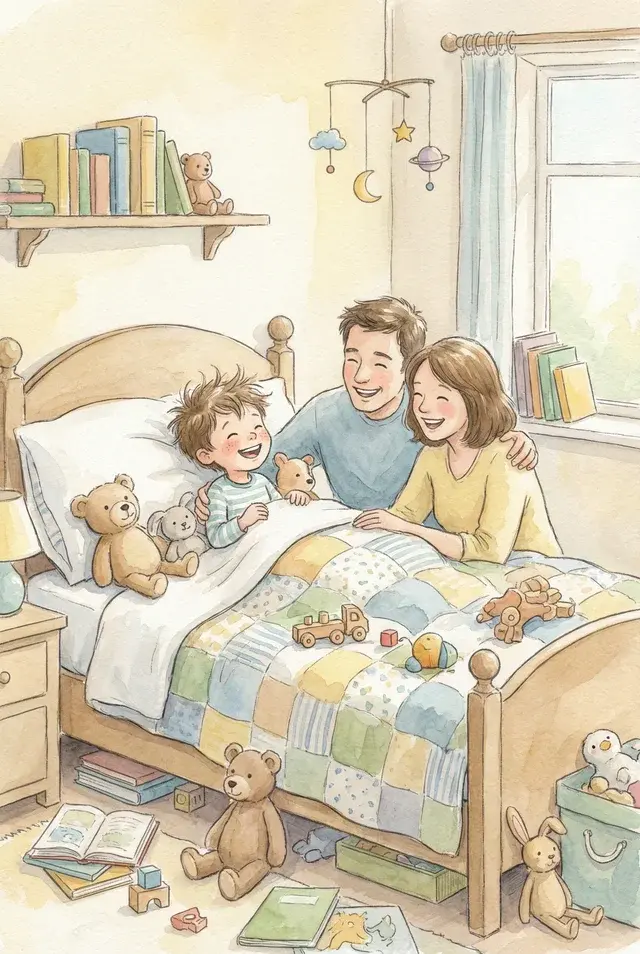
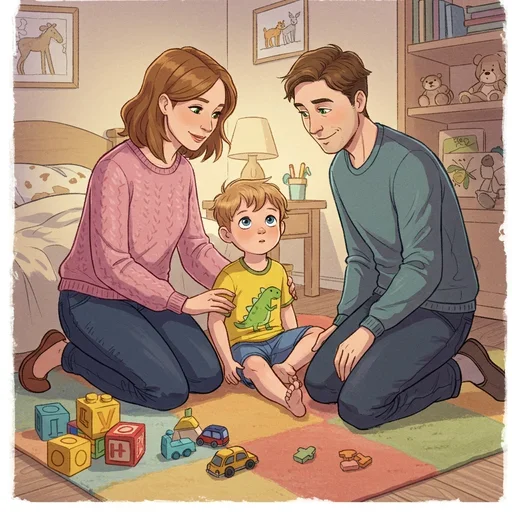
The benefits extend beyond the individual child to the entire family system. Research shows that when parents read personalized nail-biting books with their children, it creates opportunities for meaningful conversations about habits, self-control, and emotional regulation. These conversations strengthen parent-child bonds while providing children with emotional support and validation. Studies indicate that children whose parents engage in interactive reading of personalized habit-breaking books show improved self-awareness, better use of coping strategies, and stronger positive associations with self-control.
Furthermore, personalized nail-biting books serve as "self-control tools" - psychological resources that help children bridge the gap between automatic behavior and conscious control. Research from developmental psychology demonstrates that having concrete examples and positive frameworks reduces shame while building confidence. When a personalized book includes specific coping strategies, trigger awareness, and positive outcomes, it becomes a portable resource that children can reference when facing urges to bite nails.
Key insight 5
Research also highlights the importance of including alternative behaviors in personalized nail-biting books. Studies show that habit reversal needs replacement - something else to do when the urge strikes. CBT-based interventions have shown dramatic reductions (e.g., ~86%) in nail-biting frequency by teaching alternative behaviors and raising awareness of triggers. Personalized books can model these alternative behaviors naturally within the story, showing children how to use fidget toys, deep breathing, or other strategies when they feel the urge to bite.
For children with anxiety or emotional regulation challenges, personalized nail-biting books can be especially valuable when combined with other interventions. Research shows that nail biting is often a coping tool for anxiety or tension, and without managing underlying anxiety, the risk of relapse is high. Personalized books can address anxiety while teaching self-control strategies. The combination of appropriate emotional support and personalized storytelling creates a comprehensive approach that addresses both the habit and underlying emotional needs.
Key insight 6
The research evidence supports the use of personalized books for helping children stop nail biting, drawing on bibliotherapy research that shows stories can support behavior change, self-control development, and habit-breaking. While direct research on personalized stories for nail-biting is still emerging, evidence from related domains (anxiety management, habit-breaking, self-control development) suggests that personalized books can effectively support nail-biting cessation. These books combine multiple evidence-based techniques including self-awareness education, trigger identification, alternative behavior teaching, self-control building, anxiety management, and narrative therapy. The result is a comprehensive tool that addresses not just the habit itself, but the underlying self-awareness, emotional regulation, and positive mindset needed for successful habit-breaking. For families seeking evidence-based approaches to support their children's nail-biting cessation journey, personalized books represent a powerful, research-backed solution that transforms automatic behavior into conscious control and shame into confidence.