Key insight 1
Exploring tea party adventures through personalized stories represents one of the most delightful ways children develop friendship, social skills, and manners. When children read about themselves hosting a tea party with forest animals, learning manners, and forming friendships, they engage in what psychologists call "social rehearsal" exploration, imagining themselves in social situations and developing interpersonal skills. Research from child psychology, bibliotherapy, and social-emotional development demonstrates that personalized stories featuring the child as the main character offer a powerful, evidence-based approach to supporting children's social skills development and friendship.
Tea party and social skills research reveals important insights about how social stories benefit children's development. Research shows that bibliotherapy refers to the use of stories (reading, listening, or storytelling) as a therapeutic tool to support children's social, emotional, and behavioral development. Key components include identification (children recognize themselves in characters or situations, helping them feel understood), catharsis (expressing or releasing emotions through engaging with a story), and insight (realizing others share similar feelings; learning coping strategies). Evidence shows bibliotherapy can help reduce internalizing problems (e.g., anxiety, depression), externalizing behaviors (e.g., aggression), and to increase prosocial behaviors such as empathy, sharing, helping.
Key insight 2
The power of personalization in tea party books extends beyond simple character naming. Research from child psychology demonstrates that personalized narratives activate the same brain regions involved in social interaction and empathy, creating what neuroscientists term "mental simulation" for social scenarios. When a child reads about themselves hosting a tea party with forest animals, learning manners, and forming friendships, their brain processes this as a real experience, strengthening neural pathways for social skills and friendship.
One of the most compelling aspects of personalized tea party books is their ability to combine social skills development with manners learning. Research shows that when children see themselves in the protagonist, reading comprehension, emotional connection, and motivation to read improve. Personalized narratives help them rehearse social skills ("in story") and link storyline behaviors (friendship, manners) to their own lives. Reading fiction encourages understanding others' feelings - essential for friendship, conflict resolution, empathy. Literature can model manners: sharing, asking politely, taking turns, respecting others.
Key insight 3
The timing and method of exposure through personalized stories prove crucial for maximum effectiveness. Research indicates that optimal impact occurs when children are exposed to personalized social books proactively, during early childhood when social-emotional development is rapid, and reactively, when children express social challenges or need manners support. Studies show that children who engage with social stories demonstrate better friendship skills, improved manners, and stronger positive associations with social interaction.
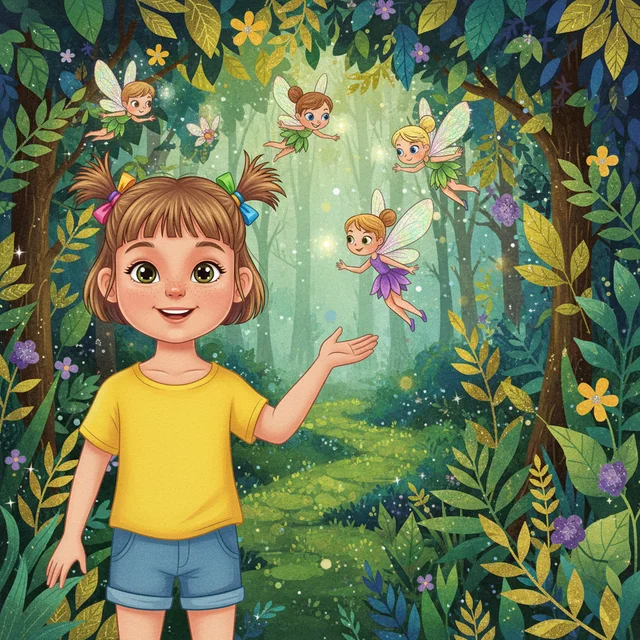
Personalized books also address the critical need for safe social practice in children's development. Research demonstrates that forest-animal characters allow symbolic distance: children feel safe practicing social scenarios (sharing food, welcoming guests, being kind, formations of friendships) because anthropomorphic animals are less self-threatening but still relatable. Tea-party settings can model social norms (manners, polite speech, turn-taking, hospitality, generosity) in a playful, structured, yet flexible setting. Personalized books can incorporate these safe practice elements naturally within the story, showing children how social skills develop through practice.
Key insight 4
The benefits extend beyond the individual child to the entire family system. Research shows that when parents read personalized tea party books with their children, it creates opportunities for meaningful conversations about friendship, manners, and social skills. These conversations strengthen parent-child bonds while providing children with emotional support and validation. Studies indicate that children whose parents engage in interactive reading of personalized social books show improved friendship skills, better manners, and stronger positive associations with social interaction.
Furthermore, personalized tea party books serve as "social skills tools" - psychological resources that help children bridge the gap between social anxiety and confidence. Research from developmental psychology demonstrates that having concrete examples and positive frameworks reduces anxiety while building social confidence. When a personalized book includes specific tea party scenarios, manners moments, and positive outcomes, it becomes a portable resource that children can reference when imagining their own social situations.
Key insight 5
Research also highlights the importance of including nature connection in personalized tea party books. Studies show that stories featuring forest animals or natural settings provide multiple benefits. Nature-oriented storytelling helps children understand their environment, builds curiosity, connection with nature, and fosters empathy for living beings. Shared nature experiences linked with psychological outcomes: sustained attention, perspective-taking, caring behavior toward animals/ecosystems. Personalized books can model these nature elements while showing children how tea parties with forest animals connect to nature appreciation.
For children interested in social interaction specifically, personalized books can emphasize tea party hosting, manners learning, and the joy of forming friendships with forest animals. Research shows that forest school pedagogies show that engaging with nature (hands-on, outdoor, animal / plant life) supports social and personal skills - teamwork, cooperation, responsibility. Personalized tea party books can model these benefits while building friendship and social identity.
Key insight 6
For children with social challenges or difficulty with manners, personalized tea party books can be especially valuable when combined with other interventions. Research shows that stories can help children develop social skills and manners in accessible ways. Personalized books can address challenges while building social confidence and manners understanding. The combination of appropriate social-emotional support and personalized storytelling creates a comprehensive approach that addresses both social skills development and manners needs.
The research evidence supports the use of personalized books for helping children develop friendship and social skills, drawing on bibliotherapy research that shows stories can support social-emotional development, friendship learning, and manners growth. Research demonstrates that bibliotherapy helps children process emotions and develop coping skills through story-based learning. These books combine multiple evidence-based techniques including social skills education, manners learning, friendship building, nature connection development, and narrative therapy. The result is a comprehensive tool that addresses not just entertainment, but the underlying social skills, manners understanding, and positive mindset needed for social-emotional development. For families seeking evidence-based approaches to support their children's friendship and social skills development, personalized tea party books represent a powerful, research-backed solution that transforms social anxiety into confidence and isolation into connection.