Parenting Tips
Navigating School Social Anxiety and Shyness
By James Smith
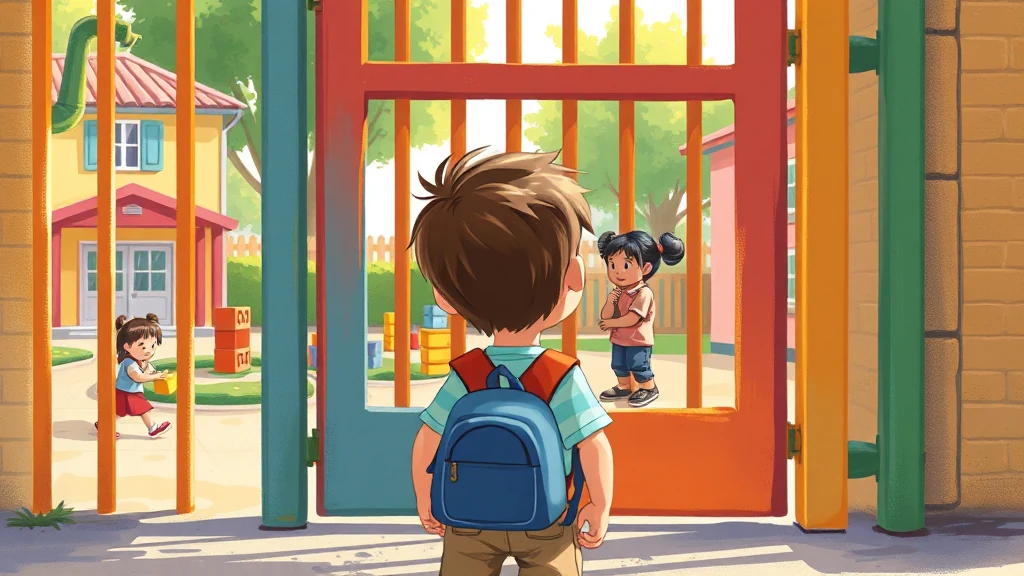
You see it in the way they hesitate at the playground gate, or how they grip your hand just a little tighter when you mention the name of a new classmate. It's that specific look-a mix of wanting to jump into the fun and the overwhelming "what if" of being noticed by others.
For many children, school isn't just a transition in location; it's an emotional marathon. Social anxiety and shyness are common hurdles, but they often stem from a lack of "mental rehearsal." When a child feels like they don't know the script for making friends or handling a busy cafeteria, their instinct is to retreat.
Why does social anxiety feel so big for little ones?
To a small child, every social interaction is a high-stakes performance. They aren't just worried about "saying hello"; they are navigating a complex web of peer dynamics, new rules, and sensory inputs.
When we talk about shyness, it's often helpful to view it as a protective shield. Your child isn't being "difficult"-they are trying to navigate a world that feels very large and unpredictable. The goal isn't to force them out of their shell instantly, but to provide them with the tools and confidence to feel safe while they find their footing.
Quick Tip: Instead of pushing for immediate social interaction, try "parallel play" or small group activities where the pressure is lower.
Using Narrative as a Safe Space for Practice
One of the most effective ways to tackle this anxiety is through narrative agency. When a child sees themselves as the hero in a story, they are essentially practicing life's challenges from a safe distance.
A personalized book allows a child to "live" through scenarios-like walking into a classroom or joining a game of tag-where they are the protagonist. It gives them a sense of mastery over the narrative before it happens in real life. When they can see themselves successfully navigating these scenes on the page, that mental blueprint translates into confidence when they face the actual hallway or playground.
If you're looking for ways to give your child a boost of confidence through personalized storytelling, you can start your book in the studio to create a journey tailored just for them.
How to use stories as "Mental Rehearsal"
You can turn reading time into a powerful coaching session. When reading a story where the child is the main character, you can pause and ask:
- "How do you think the hero feels right now?"
- "What could they say next if they wanted to join the game?"
- "Look how brave they were to try something new!"
By doing this, you aren't just reading a book; you are building their emotional vocabulary. This is especially helpful for those who struggle with the transition to primary school, where the social stakes feel even higher.
Building "Internal" Confidence
It's important to remember that while we can't always control how other kids act, we can cultivate your child's internal sense of self-worth. When a child feels seen and validated-literally seeing their own name and likeness in a book-it builds a foundation of confidence that stays with them even when they are alone in a new environment.
You might also find it helpful to read more about how personalized books build self-esteem and how this translates into long-term social success.
Key Takeaways for Navigating Shyness:
- Validate their feelings: Acknowledge that being brave is hard work.
- Create a "safety net": Use stories to model positive interactions in a low-pressure environment.
- Celebrate small wins: Every time they try something new, no matter how small, give them a high-five of praise.
Want to turn your child's journey into an adventure? Create their personalized story and give them the confidence to be their own hero in every classroom and playground they enter.