Parenting & Education
How Personalized Storybooks Can Empower Children to Develop Independence and Self-Reliance
By Michael Jones
As parents, we pour endless love and support into our children, wanting them to reach every milestone-from tying their shoes to mastering a complex thought. At times, that desire for support can border on wanting to solve every puzzle for them, leaving them reliant on adult guidance. It's a universal parenting tightrope walk: how do we nurture a sense of safety while simultaneously encouraging the healthy stretch toward autonomy?
Many parents begin to notice this subtle tension as their children grow. They move from needing constant prompting to needing gentle encouragement. This critical developmental phase-the journey toward self-reliance-isn't just about being able to do things alone; it's about the belief in one's own ability to figure things out. This belief, known as self-efficacy, is the cornerstone of independence.
If you've ever wondered how to build that deep, resilient confidence in your child, understanding the power of narrative is key. Storytelling, especially when personalized, offers a unique and gentle vehicle for teaching self-sufficiency.
Beyond Imitation: What True Independence Looks Like
When we talk about independence, we aren't talking about a single switch that flips on day one. Instead, it's a complex combination of skills: problem-solving, emotional regulation, making decisions, and persisting after a stumble.
Research in early childhood development confirms that autonomy-the feeling of being the cause of one's own actions-is a fundamental psychological need. When children feel they have choices and that their choices matter, they develop a powerful sense of competence. This is often best learned not through lectures, but through guided experience.
The perfect training ground for these "life skills" is within the magic of story.
The Magic Ingredient: Agency in Storytelling
One of the most profound psychological takeaways from literature is the concept of agency. In fiction, a character with agency is the hero-they act, they make mistakes, they try solutions, and they achieve outcomes through their own volition. They are not rescued by a magical grandparent or found a perfect map left by an adult. They figure it out.
When a child deeply connects with a protagonist who overcomes a challenge using wit, persistence, or unique knowledge, they aren't just enjoying a tale; they are practicing emotional and cognitive modeling. They are learning: "If I face X challenge, I have the tools to try Y solution."
How Personalized Books Amplify the Lesson of Self-Reliance
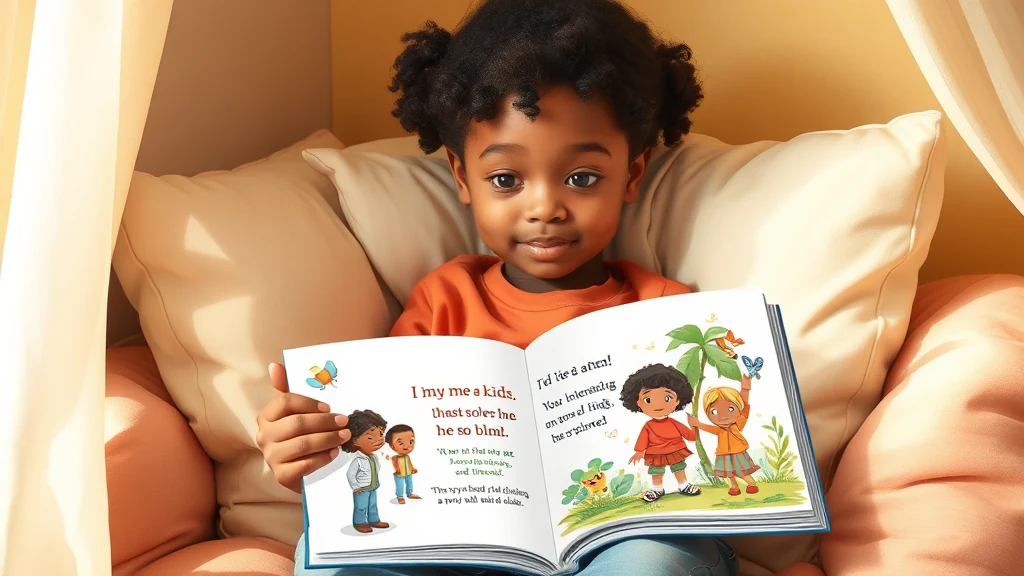
This is where the magic of personalization steps in. When a storybook centers on a character who mirrors your own child, the lessons of agency become intensely personal and deeply resonant. The child isn't just rooting for "a character"; they are rooting for themselves.
Consider a personalized story where your child, perhaps named Leo, has to navigate the neighborhood to find a misplaced item, or figure out how to organize a pretend tea party that has gone slightly awry.
- It Increases Emotional Investment: Because the characters, the setting, and the central dilemma are rooted in your child's life-their favorite stuffed animal, the street they walk-the emotional stakes are higher. They care deeply about the outcome for their avatar.
- It Provides Safe Rehearsal: A book is the ultimate low-stakes environment. It allows your child to "rehearse" difficult emotional or logistical scenarios-like dealing with disappointment, or taking initiative-without any real-world consequences. For more insights into the emotional benefits of stories, read about how personalized books impact emotional development and self-confidence.
- It Validates Their Uniqueness: By placing their specific interests and experiences into the narrative, the book sends a powerful message: "Your life, your ideas, and your way of seeing the world are worthy of a grand adventure."
This reinforcement loop-where the book confirms that their potential is limitless-is what builds lasting self-esteem. It empowers them not just to try, but to believe they can succeed.
To see this process in action, you might find it helpful to explore how a custom story can put your child directly in the role of the problem-solver, allowing them to map their own potential for growth within the narrative arc. You can begin crafting a story that celebrates their unique journey at https://makemybook.app/en/console.
Moving from Reading Confidence to Real-World Action
The goal of using these narrative tools is not to make parenting easier, but to equip the child with an internal compass. As they read about overcoming obstacles-like planting a challenging garden or learning a difficult dance move through practice-they internalize the process of persistence. They learn that failure isn't the opposite of success; it's a necessary step toward it. This is a core part of building the mindset discussed in building confidence through narrative and personal stories.
This aligns perfectly with the developmental understanding that competence isn't taught; it's earned through mastery. The personalized book acts as a celebratory chronicle of that mastery.
Structuring the Narrative for Autonomy
When thinking about the story arc for maximum empowerment, encourage scenarios that require:
- Self-Initiation: The protagonist decides to do something, rather than being told to do it.
- Resourcefulness: They use objects or knowledge they already possess, rather than finding a magical item.
- Goal Setting: The objective is clear (e.g., "Help Grandma bake the perfect loaf"), and the path to get there requires multiple, self-directed steps.
By keeping the focus on the child as the primary agent of change, the book transcends being mere entertainment and becomes a powerful mirror reflecting capability.