Parenting Tips
How to Teach Patience and Delayed Gratification
By James Smith
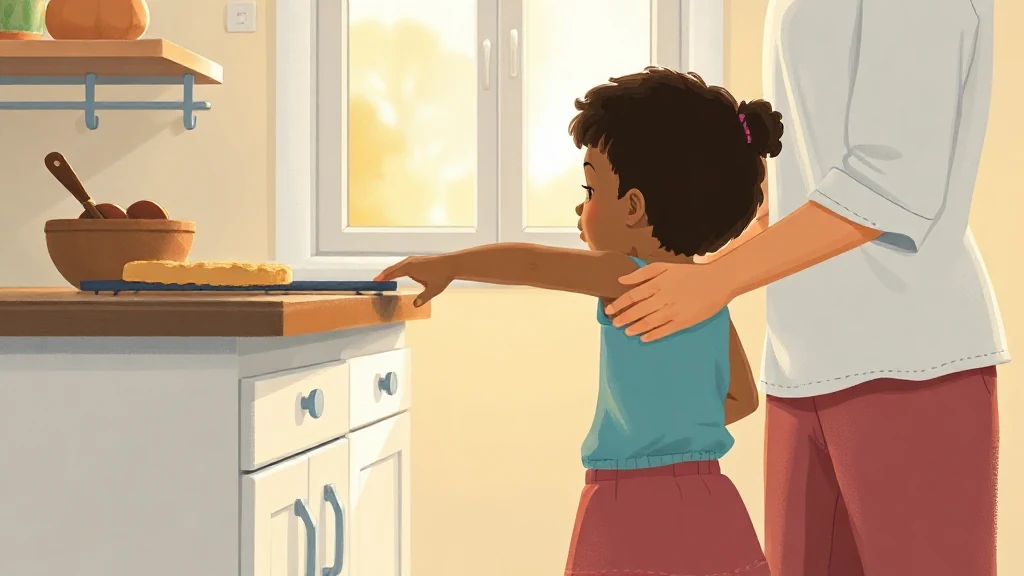
It's the classic childhood meltdown over a candy bar at the checkout counter, or that frantic "I want it now!" scream when you're in the middle of cooking dinner. As parents, we see these moments and feel that familiar twinge of sympathy mixed with exhaustion. We know our children aren't being "bad"; they just haven't developed the internal tools to handle the gap between wanting and having.
This skill-delayed gratification-is one of the most profound predictors of success in later life. It's the ability to resist an immediate reward in hopes of obtaining a more lasting and satisfying reward later. Teaching it feels like a long game, but we can start building that muscle today through consistent, empathetic practice.
Why is "Waiting" So Hard for Kids?
To a child, the "now" is incredibly powerful. Their prefrontal cortex-the part of the brain responsible for impulse control and weighing consequences-is still very much under construction. When they want something, their brain sends an immediate signal of desire that feels like an emergency.
When we practice delayed gratification, we aren't just teaching them to "sit still." We are building their cognitive stamina. They are learning to:
- Regulate intense emotions.
- Think about the future (a very abstract concept for a toddler).
- Understand that "not right now" doesn't mean "never."
Quick Tip: When a child is struggling with an immediate want, try naming the feeling. "I see that you really want that cookie right now. It's hard to wait when it looks so yummy." This validates their experience while they work on the muscle of patience.
Using Storytelling as a "Practice Field"
One of the most effective ways to teach complex emotional skills like patience is through narrative. When we read together, we can explore scenarios where characters have to wait, choose, and persevere without our child having to experience the frustration in real life first.
This is where personalized stories offer a unique advantage. When a child sees themselves as the hero of the story, they aren't just observing a character; they are experiencing the journey through their own eyes.
When you want to create an engaging adventure where your child can practice these skills, you can start your book in the studio. By putting them at the center of the tale, they become more invested in the character's choices and successes.
Three Practical Ways to Build the Patience Muscle
1. The "When/Then" Technique
Instead of saying "No," try using "When/Then." This provides a clear roadmap for their expectations. For example: "When you finish putting your blocks away, then we can have a snack." It keeps the goal in sight while establishing a required action first.
2. Visual Timers and Countdown
For younger children, time is abstract. A physical timer or a countdown provides a tangible visual of how much "waiting" is left. It takes the pressure off you to be the "bad guy" who says no; the clock becomes the objective truth of the timeline.
3. Creating Choices (Within Limits)
Give them a sense of agency. If they want a snack immediately but it isn't time yet, offer a choice: "You can have your snack in ten minutes, or you can wait until after we finish this game. Which do you choose?" This shifts the focus from "I can't have it" to "I am choosing how I manage my waiting."
Quick Tip: Try "Micro-Waiting." Ask them to wait just 30 seconds for a piece of fruit or a turn on the swing. Success in these tiny moments builds the confidence they need for longer waits later.
How to Handle the "Meltdown" Moments
Even with all the tools in your belt, there will still be days when the frustration wins. When a meltdown happens, it's often a sign that their "patience tank" is empty. In those moments, move away from the lesson and toward connection.
- Stay Calm: Your calm acts as a secondary nervous system for them.
- Validate First: "It's really hard to wait when you're hungry."
- Redirect: Once they have calmed down, you can briefly revisit the concept of waiting together.
The Long View: Building Resilience
Teaching patience isn't about producing a perfectly behaved child; it's about giving them the tools to navigate a world that doesn't always provide instant results. By using stories and consistent routines, you are helping them build a foundation of self-regulation and confidence.
If you want to dive deeper into how narratives can support these types of milestones, check out our guide on how personalized books can empower children to develop independence.
Ready to make them the hero of their own story? Create a custom adventure where your child learns courage, patience, and confidence: Make My Book