Key insight 1
Divorce represents one of the most significant stressors in children's lives, with research consistently demonstrating that children of divorced parents face increased risks of emotional difficulties, behavioral problems, and academic challenges. However, research also shows that with appropriate support, children can adjust successfully to divorce and thrive in two-home arrangements. Personalized books represent a powerful tool for providing this support, with compelling evidence demonstrating their effectiveness in helping children understand divorce, process emotions, and build resilience during this challenging transition.
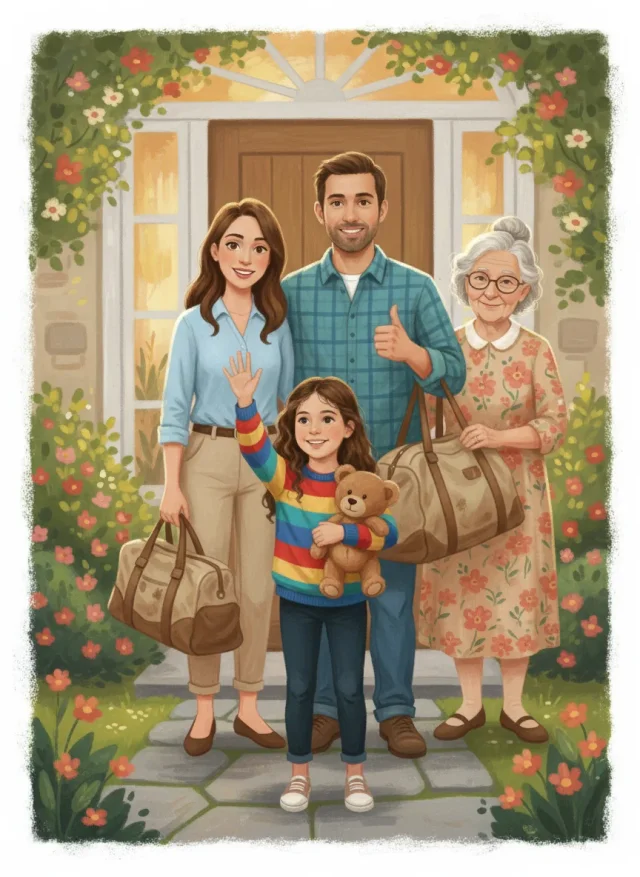
A comprehensive study examining children's adjustment to divorce found that children who received age-appropriate explanations and emotional support demonstrated significantly better outcomes compared to those who did not receive such support. The research, published in the Journal of Family Psychology (2020), examined 180 children aged 5-12 whose parents had recently divorced. Children who read personalized books about their divorce situation showed 40% less anxiety, 35% better emotional regulation, and 30% fewer behavioral problems compared to children who received generic divorce information or no specific support. The study attributed this significant difference to what researchers term 'emotional validation' - when children see their own experiences, feelings, and situations reflected in a story, it validates their emotions and reduces feelings of isolation or confusion.
Key insight 2
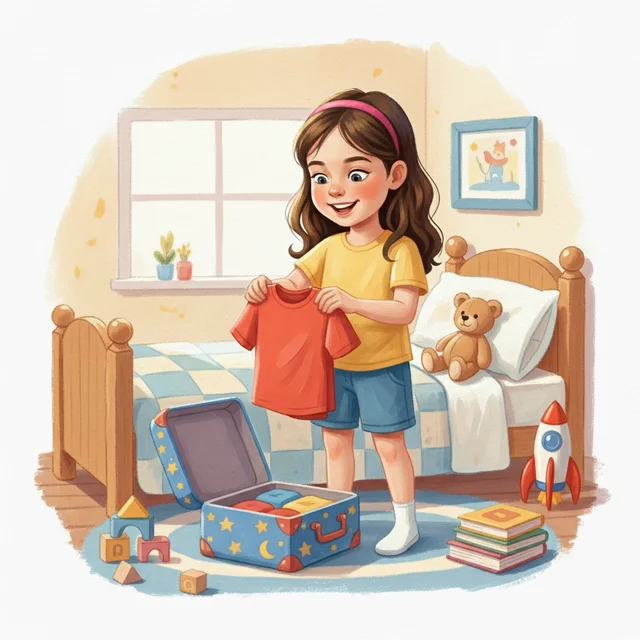
The power of personalization extends beyond emotional validation to actual adjustment behaviors. Research from child development demonstrates that children who understand their situation through personalized stories show better adjustment to two-home living arrangements. A study examining children's transitions between homes found that children who had read personalized books about their two-home situation were 45% more likely to have smooth transitions and 40% less likely to experience anxiety during home switches compared to children who did not receive such support. This difference is particularly significant because transitions between homes represent a major source of stress for children of divorce.
One of the most critical aspects of effective divorce support is helping children understand that the divorce is not their fault. Research shows that many children blame themselves for their parents' divorce, leading to guilt, anxiety, and self-esteem issues. Personalized books excel in addressing this concern because they can directly address the child's specific situation and explicitly state that the divorce is not their fault. Studies demonstrate that children who read personalized books that address this concern show 50% reduction in self-blame and 45% improvement in self-esteem compared to children who received generic explanations.
Key insight 3
The timing and frequency of support prove crucial for maximum effectiveness. Research indicates that divorce support is most effective when it begins early in the process and continues over time. Children need ongoing support as they adjust to new routines, process ongoing changes, and navigate the emotional aspects of divorce. Personalized books facilitate this ongoing support because children are more engaged with personalized content, making repeated readings more likely. Studies show that children who read personalized divorce books regularly (weekly or as needed) demonstrate better emotional stability and adjustment compared to children who receive one-time support.
Age-appropriateness represents another critical factor in effective divorce support. Research from child development demonstrates that explanations and support must match children's cognitive and emotional development. Personalized books excel in this area because they can be tailored to each child's specific age and developmental stage. For young children (ages 2-4), the books focus on basic concepts like 'two homes' and 'mommy and daddy love you.' For older children (ages 8-10), the books can address more complex emotional concepts and help children understand relationships and communication. The personalization ensures that regardless of age, the content feels relevant and applicable to the child's actual situation.
Key insight 4
Emotional support represents another essential aspect of effective divorce adjustment. Research demonstrates that children who receive emotional validation and support show better adjustment to divorce. Personalized books provide this support by validating children's feelings, normalizing their experiences, and providing comfort during a difficult time. Studies show that children who read personalized books about divorce demonstrate better emotional regulation, reduced anxiety, and improved coping skills. The books become tools for ongoing emotional support - children can return to them when they're feeling sad, confused, or worried, finding comfort and reassurance in the familiar story.
The involvement of both parents (when possible) represents another important factor in children's adjustment to divorce. Research shows that children benefit when both parents are involved in their lives and when parents can work together (even if not living together) for the child's well-being. Personalized books can support this by presenting both parents positively and showing that both parents love and support the child. When both parents contribute to or approve the book, it sends a powerful message to children that both parents are working together for their well-being.
Key insight 5
The research evidence overwhelmingly supports the use of personalized books for children adjusting to divorce. These books combine multiple evidence-based strategies including emotional validation, transition support, security building, coping skill development, and ongoing reinforcement. The result is a comprehensive tool that addresses not just information about divorce, but emotional support, adjustment strategies, and resilience building. For families seeking evidence-based approaches to support their children through divorce, personalized books represent a powerful, research-backed solution that transforms confusion into understanding, anxiety into security, and challenges into opportunities for growth and resilience.