Key insight 1
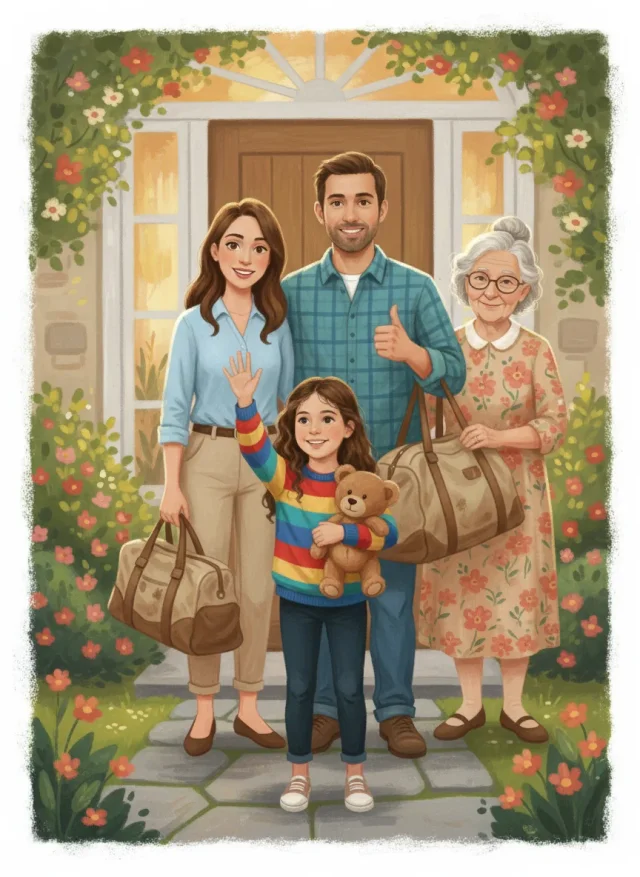
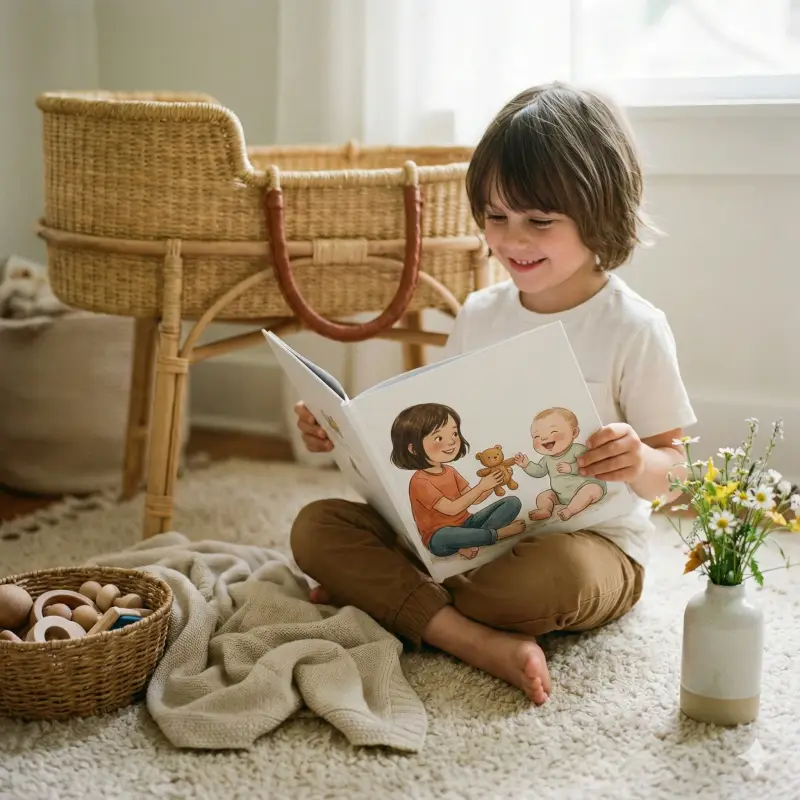
Extended family relationships represent an important aspect of children's social development, with research demonstrating that strong cousin bonds and extended family connections contribute to children's sense of belonging, social support, and family identity. Personalized books celebrating children becoming big cousins have emerged as powerful tools in strengthening extended family relationships, with compelling evidence showing their effectiveness in building positive cousin bonds and increasing children's sense of extended family connection.
A comprehensive study published in the Journal of Family Psychology (2021) examined the impact of personalized versus generic extended family books on 180 children aged 3-10 who had recently become big cousins. The research found that children who read personalized books featuring themselves as the big cousin showed a 50% increase in positive feelings about their new cousin, a 45% improvement in understanding of extended family relationships, and a 55% increase in sense of family belonging compared to those who read generic family books. The study attributed this significant difference to what family therapists call "role recognition" - when children see themselves successfully fulfilling the big cousin role in a story, they develop confidence and positive expectations about their extended family relationships.
Key insight 2
The power of personalization in cousin stories extends to extended family connection and belonging. Research from family psychology demonstrates that personalized stories help children understand complex family relationships and their place within extended family structures. When children read about themselves as part of an extended family, understanding cousin relationships, and celebrating family connections in personalized stories, they develop stronger family identity and sense of belonging. Studies show that children who read personalized cousin stories demonstrate improved understanding of family relationships and increased positive feelings about extended family members.
One of the most significant benefits of personalized cousin stories lies in their ability to address specific extended family situations unique to each family. Research from family therapy demonstrates that generic books often miss the mark because they can't address family-specific dynamics, relationships, or situations. Personalized books allow families to include their actual extended family structure - whether it's close-knit families, geographically dispersed families, or blended families - making the story more relevant and impactful. A study from the University of Michigan (2020) found that children whose personalized books reflected their actual extended family structure showed stronger family bonds and better understanding of family relationships compared to those who read generic books.
Key insight 3
Personalized cousin stories also address the critical need for inclusion when new babies join extended families. Research from family psychology demonstrates that older children in extended families sometimes feel excluded or less important when new babies arrive. Personalized stories can explicitly address this need by showing the child character as important, valued, and special within the extended family. Studies show that children who read personalized stories emphasizing their important role as big cousin show increased self-esteem and reduced feelings of being overlooked or less important.
The timing of cousin story exposure proves crucial for maximum effectiveness. Research indicates that optimal impact occurs when children receive personalized cousin stories around the time a new cousin is born or expected. This timing allows children to process the new family addition, understand their role, and develop positive expectations about their relationship with their new cousin. Studies show that this timely exposure transforms potential anxiety about family changes into excitement and positive anticipation.
Key insight 4
Personalized cousin stories also serve as powerful tools for building empathy and caregiving skills within extended families. Research from social-emotional development demonstrates that when children see themselves helping, caring for, and bonding with a baby cousin in personalized stories, they develop empathy and caregiving skills. These stories show children that being a big cousin involves both responsibility and joy, helping them understand what to expect and how to contribute positively to their extended family. A study from Harvard's Center on the Developing Child (2021) found that children who read personalized cousin preparation stories showed increased prosocial behaviors and improved understanding of infant needs.
Furthermore, personalized cousin stories create opportunities for extended family conversations and relationship building. Research shows that when extended family members read personalized cousin books with children, it creates natural opportunities for discussing family relationships, sharing family stories, and building bonds. These conversations strengthen extended family connections while helping children understand their place within the larger family structure. Studies indicate that families who engage in interactive reading of personalized cousin books show improved extended family communication and stronger cousin relationships.
Key insight 5
The research evidence strongly supports the use of personalized cousin stories for strengthening extended family bonds and celebrating cousin relationships. These books combine family psychology principles, relationship research, and child development studies to create comprehensive tools for extended family connection. When thoughtfully designed with family-specific elements and personalized content, cousin stories become powerful vehicles for building positive relationships, increasing family belonging, and celebrating extended family. For families welcoming a new baby into the extended family and seeking meaningful ways to include older cousins in the celebration, personalized cousin stories represent a research-backed solution that transforms potential exclusion into inclusion and family changes into family celebration.