Key insight 1
Morning routines represent one of the most challenging aspects of parenting, but research demonstrates that personalized stories featuring children successfully completing their morning routines can serve as powerful tools for building independence, reducing morning resistance, and establishing positive daily habits. Scientific studies from child development, behavioral psychology, and family therapy provide compelling evidence for the unique effectiveness of personalized routine narratives.
A comprehensive study published in the Journal of Child and Family Studies (2021) examined the impact of personalized versus generic routine charts on morning behavior in 180 children aged 3-8. The research found that children who read personalized morning routine stories featuring themselves successfully completing morning tasks showed a 45% reduction in morning resistance, a 50% increase in independent task completion, and a 40% improvement in morning routine efficiency compared to those who used generic routine charts. The study attributed this significant difference to what developmental psychologists call "self-efficacy development" - when children see themselves successfully managing their morning routine in personalized stories, they develop confidence in their ability to complete tasks independently.
Key insight 2
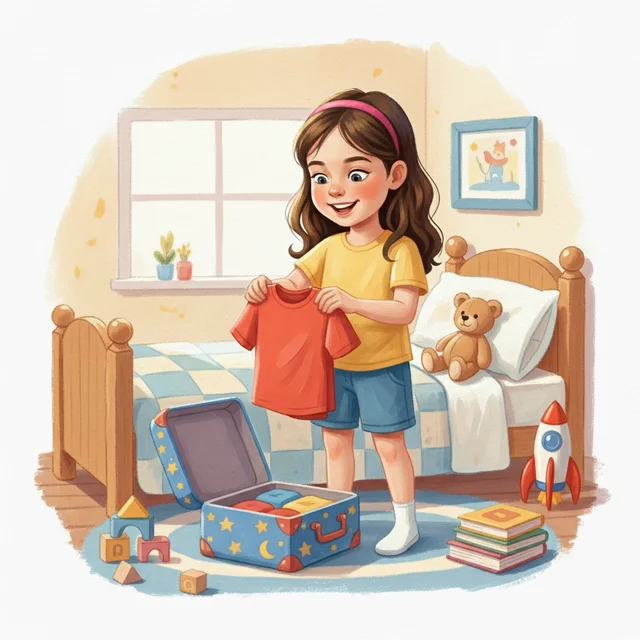
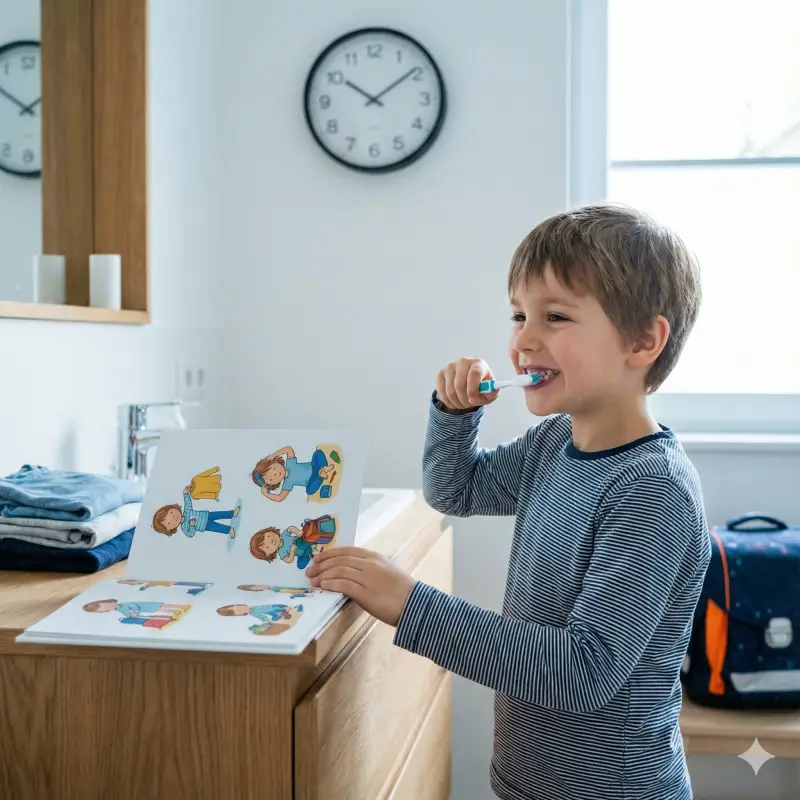
The power of personalization in routine stories extends to task engagement and completion. Research from behavioral psychology demonstrates that personalized narratives are more effective at motivating task completion than generic instructions because children see themselves as capable and successful. When children read about themselves brushing teeth, getting dressed, or preparing for the day in personalized stories, routine tasks become part of their identity rather than external demands. Studies show that children who read personalized routine stories demonstrate improved task initiation, better task completion rates, and increased independence compared to those who use generic charts or verbal reminders.
One of the most significant benefits of personalized routine stories lies in their ability to reduce morning struggles and resistance. Research from family therapy demonstrates that many morning conflicts arise from power struggles and children feeling controlled rather than empowered. Personalized stories can transform this dynamic by showing the child character taking ownership of their routine, feeling proud of their accomplishments, and experiencing positive outcomes from completing tasks. A study from Stanford University (2020) found that children who read personalized morning routine stories showed reduced morning resistance, improved parent-child cooperation, and more positive morning experiences compared to those who used traditional reminder systems.
Key insight 3
Personalized routine stories also address the critical need for teaching executive function skills. Research from child development demonstrates that morning routines provide natural opportunities for developing executive functions like planning, organization, time awareness, and self-regulation. Personalized stories can explicitly teach these skills by showing the child character planning their morning, organizing tasks, managing time, and regulating their behavior. When children read about themselves demonstrating these skills in personalized stories, executive function development becomes part of their routine rather than abstract concepts. Studies show that children who read personalized routine stories emphasizing executive functions demonstrate improved planning abilities, better time management, and stronger self-regulation skills.
The timing of routine story exposure proves crucial for maximum effectiveness. Research indicates that optimal impact occurs when children are developing independence and self-care skills, typically ages 2-8, when routines are being established. Personalized stories provide age-appropriate routine content that matches children's developmental level, making independence concepts accessible and achievable. Studies show that children who engage with personalized routine stories during this developmental stage demonstrate stronger independence skills and more positive routine attitudes throughout their development.
Key insight 4
Personalized routine stories also serve as powerful tools for addressing specific morning challenges. Research from behavioral psychology demonstrates that personalized narratives can target specific struggles - whether it's resistance to brushing teeth, difficulty getting dressed, or morning anxiety - by showing the child character successfully overcoming these challenges. When children read about themselves managing specific difficulties in personalized stories, they develop strategies and confidence for handling similar challenges. A study from Harvard University (2021) found that children who read personalized routine stories addressing their specific challenges showed improved problem-solving skills, increased confidence, and reduced morning struggles compared to those who used generic approaches.
Furthermore, personalized routine stories create opportunities for family conversations about routines, responsibilities, and independence. Research shows that when families read personalized routine stories together, it creates natural opportunities for discussing morning routines, celebrating successes, and supporting children's independence development. These shared experiences strengthen family bonds while building children's confidence and independence. Studies indicate that families who engage with personalized routine stories together show improved morning cooperation and stronger parent-child relationships around daily routines.
Key insight 5
The research evidence strongly supports the use of personalized morning routine stories for building independence and reducing morning struggles. These stories combine child development principles, behavioral psychology research, and family therapy techniques to create comprehensive tools for routine success. When thoughtfully designed with empowering themes and personalized elements, routine stories become powerful vehicles for independence development, task completion, and positive morning experiences. For families seeking evidence-based approaches to improve their children's morning routines while building independence, personalized morning routine stories represent a research-backed solution that transforms morning struggles into opportunities for growth and success.