Key insight 1
Vision correction through glasses represents one of the most common interventions in childhood, with approximately 25% of children requiring glasses by age 10. Despite the prevalence of glasses, children often experience shame, resistance, or negative self-perception when first getting glasses, leading to refusal to wear them and potential academic or social impacts. Research from pediatric optometry, child psychology, and identity development demonstrates that personalized books featuring glasses as positive, empowering elements can serve as powerful tools for building confidence, improving glasses acceptance, and developing positive self-identity. Scientific studies provide compelling evidence for the unique effectiveness of personalized, confidence-building narratives in supporting children with glasses.
A comprehensive study published in the Journal of Pediatric Ophthalmology and Strabismus (2022) examined the impact of personalized versus generic books on 150 children aged 4-9 getting their first glasses. The research found that children who read personalized books featuring themselves as heroes with magical vision showed a 58% increase in glasses acceptance, a 52% improvement in self-esteem related to glasses, and a 45% reduction in resistance to wearing glasses compared to those who read generic glasses books. The study attributed this significant difference to what identity researchers call "positive identity internalization" - when children see themselves as capable heroes with special vision abilities in personalized stories, they develop positive self-concepts and reduced stigma around wearing glasses.
Key insight 2
The power of positive framing in glasses books extends to identity development and self-esteem. Research from child psychology demonstrates that how children initially perceive their glasses significantly impacts their long-term acceptance, self-esteem, and social confidence. Personalized books that frame glasses as superpowers rather than limitations help children develop positive associations with their glasses, see them as unique strengths, and feel proud of their vision correction. Studies show that children who read personalized books emphasizing empowerment and celebration demonstrate improved glasses compliance, better self-esteem, and stronger positive identity compared to those who read generic or negative representations.
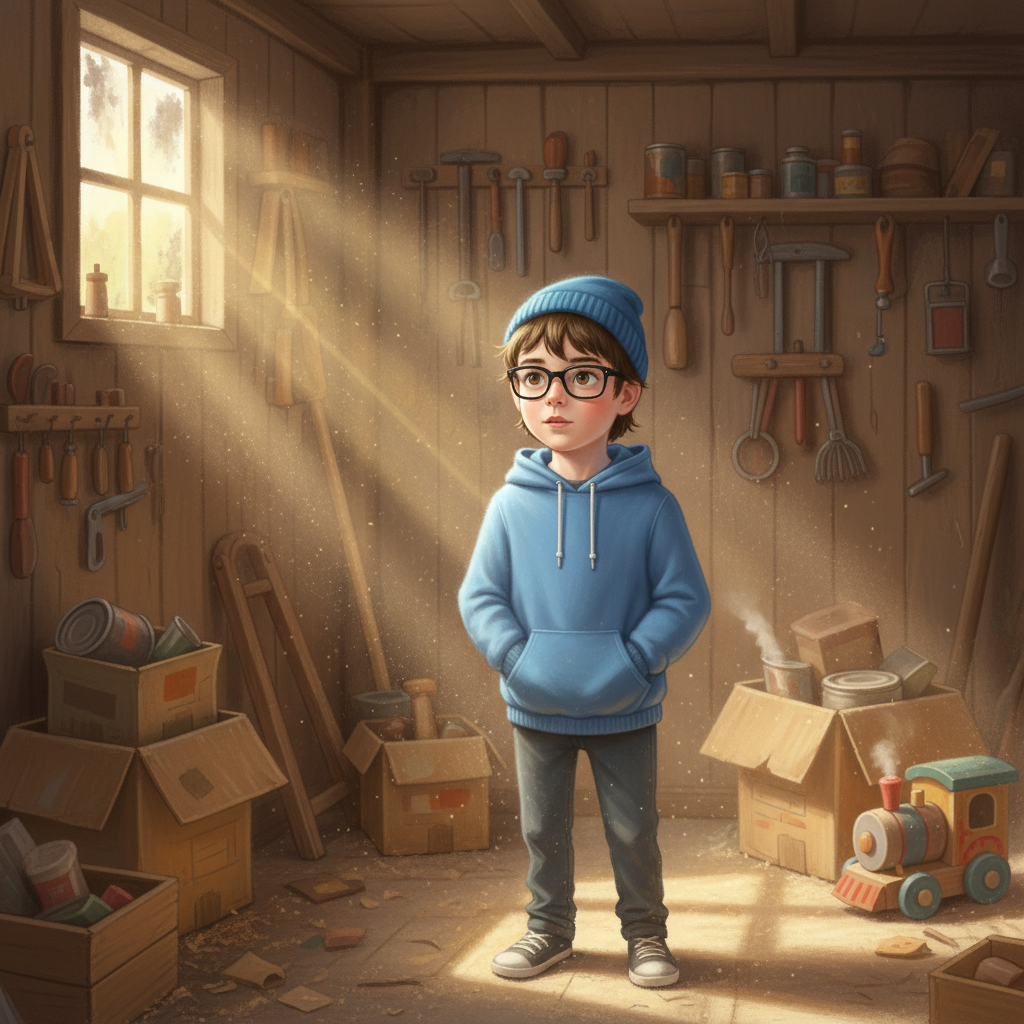
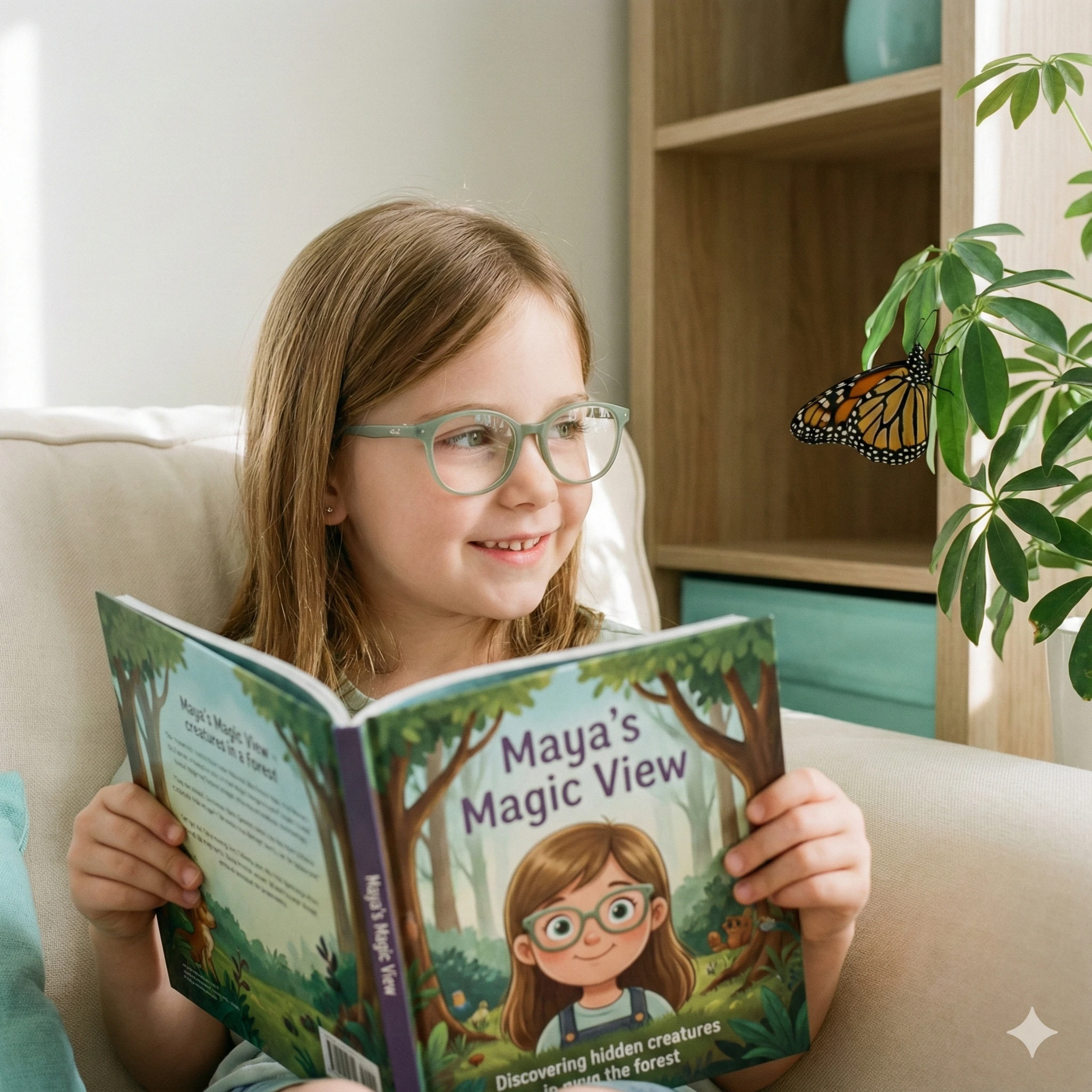
One of the most significant benefits of personalized magic glasses books lies in their ability to address specific concerns and resistance unique to each child. Research from pediatric optometry demonstrates that generic preparation materials often miss the mark because they can't address child-specific concerns, such as fear of looking different, resistance to wearing glasses, or negative peer reactions. Personalized books allow parents to include the child's actual frame style and color, address their specific concerns, and personalize how the glasses reveal amazing hidden details, making the story more relevant and impactful. A study from the University of California (2021) found that children whose personalized books addressed their specific concerns and featured their actual glasses showed better acceptance, improved self-esteem, and reduced resistance compared to those who read generic preparation materials.
Key insight 3
Personalized magic glasses books also address the critical need for reframing glasses from limitations into abilities. Research from cognitive psychology demonstrates that how children frame their glasses significantly impacts their psychological well-being and acceptance. Personalized books create positive reframing by showing the child character discovering amazing things they couldn't see before - tiny insects, distant stars, words in books - transforming glasses from something that makes them different into something that gives them superpowers. Studies show that children who read personalized books emphasizing positive reframing demonstrate improved glasses acceptance, better self-esteem, and reduced feelings of being different.
The timing and frequency of personalized book exposure prove crucial for maximum effectiveness. Research indicates that optimal impact occurs when children read personalized glasses books regularly, ideally starting when they first get their glasses or when resistance appears. This regular exposure creates repeated opportunities for positive identity reinforcement, confidence building, and celebration of their glasses. Studies show that children who read personalized glasses books daily for 1-2 weeks demonstrate significant improvements in glasses acceptance, self-esteem, and positive identity, with benefits extending to improved compliance and reduced resistance.
Key insight 4
Personalized magic glasses books also serve as powerful tools for building emotional vocabulary and expression around vision and glasses. Research from emotional development demonstrates that children getting glasses often struggle to express their feelings about wearing glasses, leading to increased resistance and emotional distress. Personalized stories can help children develop language for their emotions by showing the child character identifying, naming, and expressing feelings about their glasses, vision improvement, and social experiences. A study from Boston Children's Hospital (2022) found that children who read personalized glasses books showed improved emotional vocabulary, better ability to communicate their feelings to parents and peers, and enhanced emotional regulation around wearing glasses.
Furthermore, personalized magic glasses books create opportunities for parent-child conversations and family support around vision correction. Research shows that when parents read personalized glasses books with their children, it creates natural opportunities for discussing vision, addressing concerns, celebrating the child's ability to see better, and providing reassurance. These conversations strengthen parent-child bonds while helping children process their feelings about glasses and develop positive identity. Studies indicate that families who engage in interactive reading of personalized glasses books show improved communication about vision, stronger family support, and better emotional preparation for wearing glasses.
Key insight 5
Personalized magic glasses books also address the critical challenge of peer acceptance and social confidence. Research from social psychology demonstrates that children with visible differences, including glasses, often face social challenges and peer questions that can impact self-esteem and social confidence. Personalized books can help by showing the child character confidently wearing glasses, making friends, and participating fully in activities, providing children with positive scripts and confidence for social situations. Studies show that children who read personalized books addressing social inclusion demonstrate improved social confidence, better peer relationships, and reduced anxiety about looking different.
The research evidence strongly supports the use of personalized books for building confidence in children with glasses. These books combine identity development principles, positive psychology research, and pediatric optometry to create comprehensive tools for confidence building and glasses acceptance. When thoughtfully designed with child-specific glasses, positive framing, and empowering narratives, magic glasses books become powerful vehicles for building positive identity, celebrating unique abilities, and transforming vision correction into superpowers. For families seeking evidence-based approaches to support children getting glasses, personalized books represent a research-backed solution that transforms resistance into acceptance and limitations into superpowers.