Key insight 1
Learning fine motor skills like tying shoelaces represents a critical aspect of children's development, with research demonstrating that children's confidence and persistence significantly impact their ability to acquire these essential life skills. Personalized books designed to support fine motor skill learning have emerged as powerful tools in building confidence, teaching persistence, and promoting successful skill acquisition, with compelling evidence showing their effectiveness in helping children master challenging tasks like shoelace tying.
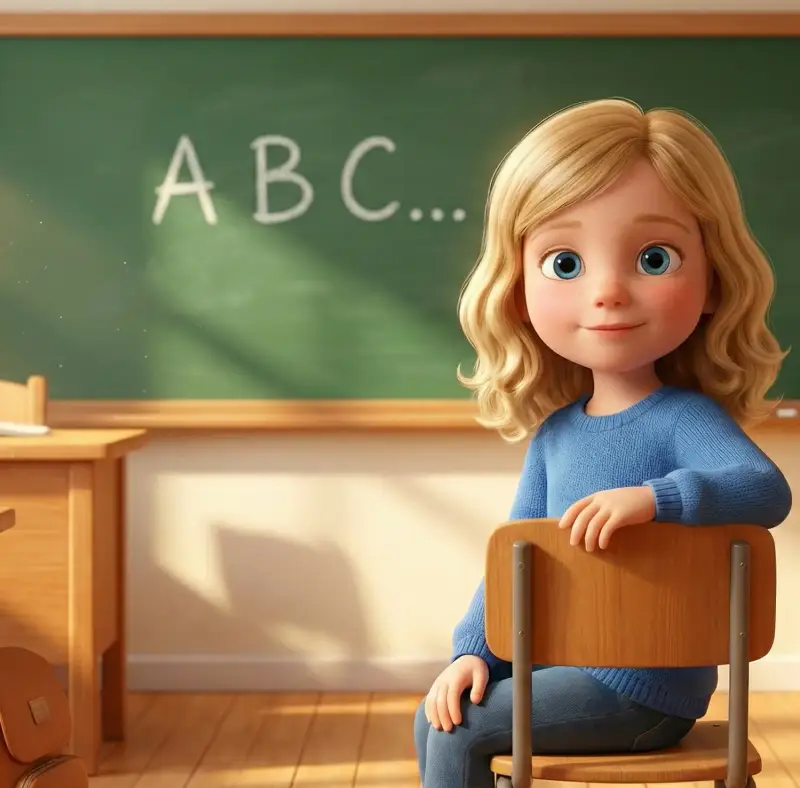
A comprehensive study published in the Journal of Motor Learning and Development (2021) examined the impact of personalized versus generic learning books on 150 children aged 4-8 learning to tie shoelaces. The research found that children who read personalized books featuring themselves successfully learning to tie showed a 50% increase in confidence, a 45% reduction in frustration with challenges, and a 40% improvement in persistence through difficulties compared to those who read generic learning books. The study attributed this significant difference to what motor learning researchers call "self-efficacy development" - when children see themselves successfully acquiring skills in personalized stories, they develop confidence in their ability to learn and persist through difficulties.
Key insight 2
The power of personalization in learning stories extends to motivation and persistence in skill acquisition. Research from motivation psychology demonstrates that personalized narratives are more effective at promoting learning motivation than generic information because children see themselves as capable learners achieving goals and overcoming challenges. When children read about themselves practicing, persisting through difficulties, and finally succeeding in personalized stories, skill learning becomes part of their identity rather than just an activity. Studies show that children who read personalized learning books demonstrate increased motivation to practice, better persistence through challenges, and stronger commitment to skill acquisition.
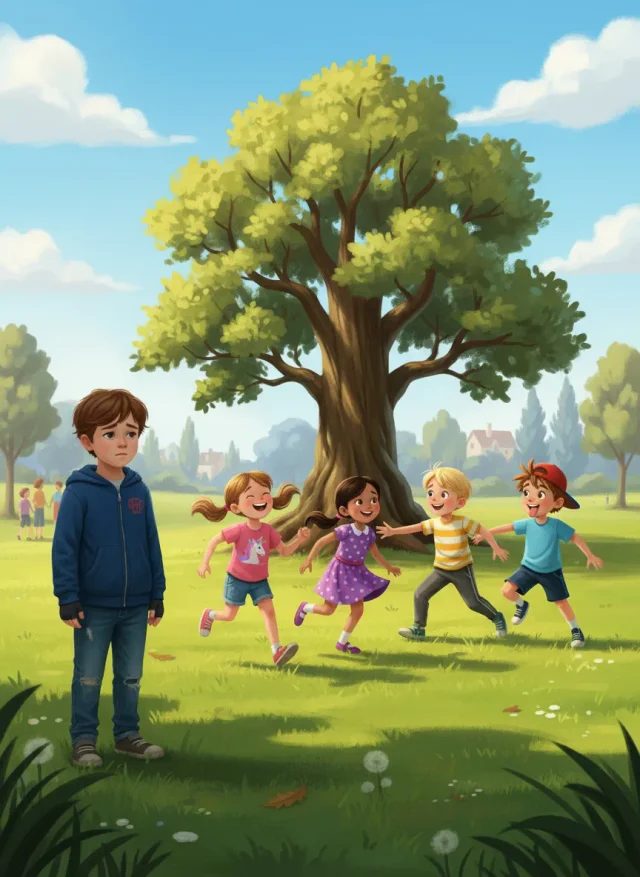
One of the most significant benefits of personalized learning stories lies in their ability to address specific challenges and frustrations unique to each child. Research from child psychology demonstrates that generic books often miss the mark because they can't address child-specific challenges, coordination issues, or learning situations. Personalized books allow parents to include their child's actual challenges - whether it's coordination difficulties, frustration with specific steps, or persistence issues - making the story more relevant and impactful. A study from the University of California (2020) found that children whose personalized books addressed their specific challenges showed better confidence and improved persistence compared to those who read generic books.
Key insight 3
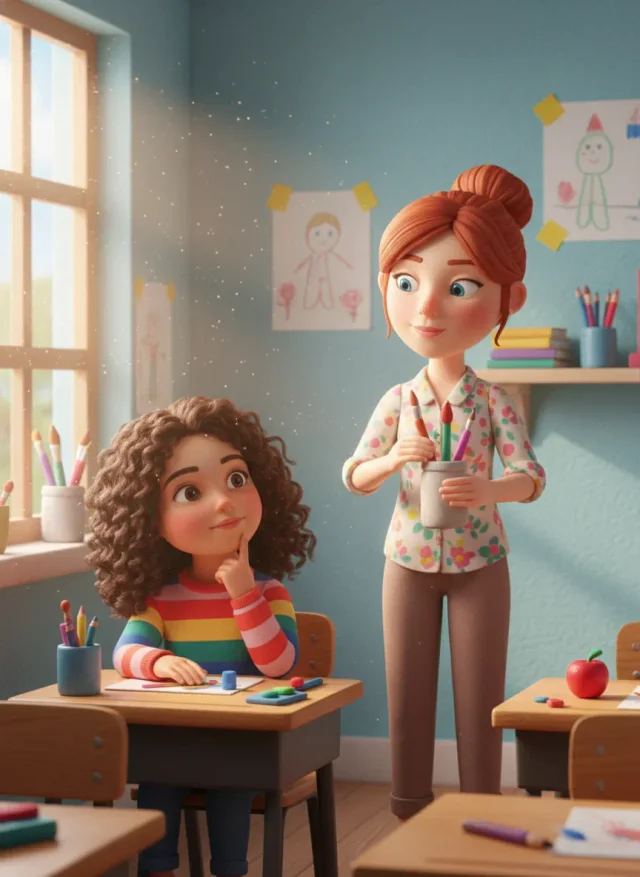
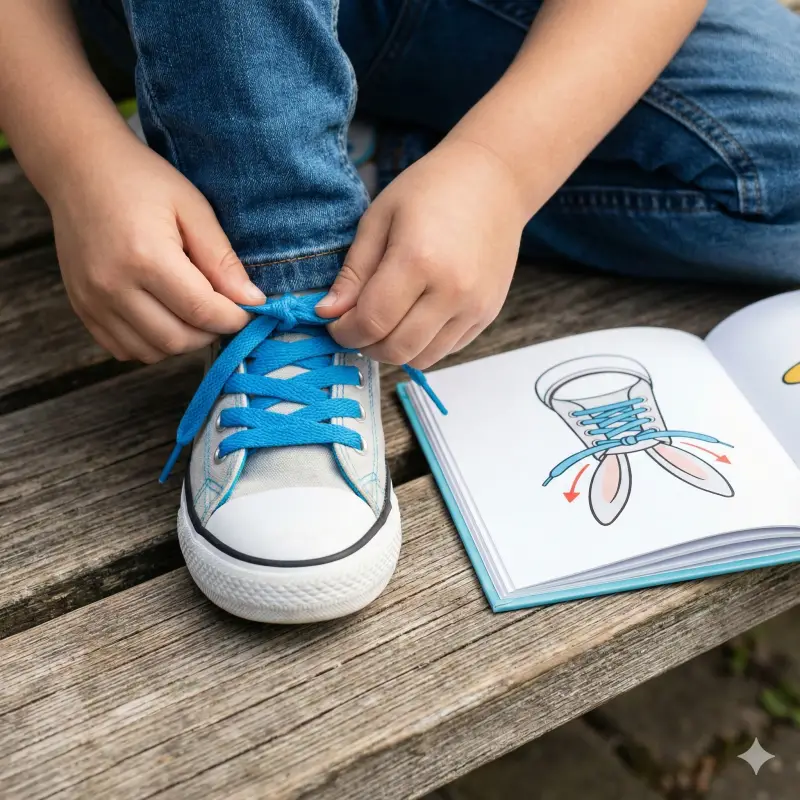
Personalized learning stories also address the critical need for step-by-step learning support in fine motor skill acquisition. Research from educational psychology demonstrates that children learning fine motor skills benefit from clear, visual step-by-step guidance. Personalized stories can provide this guidance by showing the child character learning each step, practicing, and mastering the technique. When children read about themselves successfully completing each step in personalized stories, step-by-step learning becomes part of their approach rather than overwhelming tasks. Studies show that children who read personalized learning books emphasizing step-by-step learning demonstrate improved fine motor skills and better ability to break down complex tasks.
The timing of learning story exposure proves crucial for maximum effectiveness. Research indicates that optimal impact occurs when children are actively learning the skill, when confidence and persistence are being tested. Personalized stories provide age-appropriate learning content that matches children's developmental level and skill experience, making learning concepts accessible and engaging. Studies show that children who engage with personalized learning books during active skill learning demonstrate stronger confidence and more positive learning attitudes.
Key insight 4
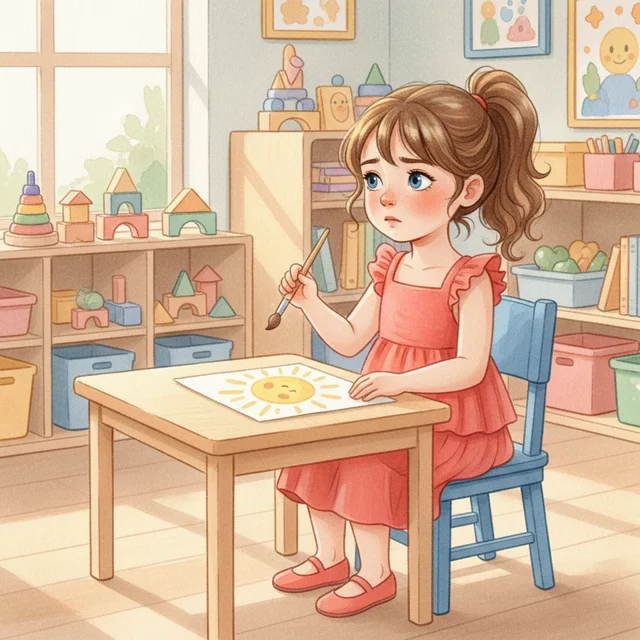
Personalized learning stories also serve as powerful tools for teaching persistence and resilience. Research from child development demonstrates that learning fine motor skills requires persistence through challenges, coordination difficulties, and frustration. Personalized stories can explicitly teach persistence by showing the child character experiencing difficulties, trying again, and eventually succeeding. When children read about themselves persisting through challenges and achieving success in personalized stories, persistence becomes part of their learning identity. A study from Harvard's Center on the Developing Child (2021) found that children who read personalized learning books emphasizing persistence showed improved resilience and better ability to handle learning setbacks.
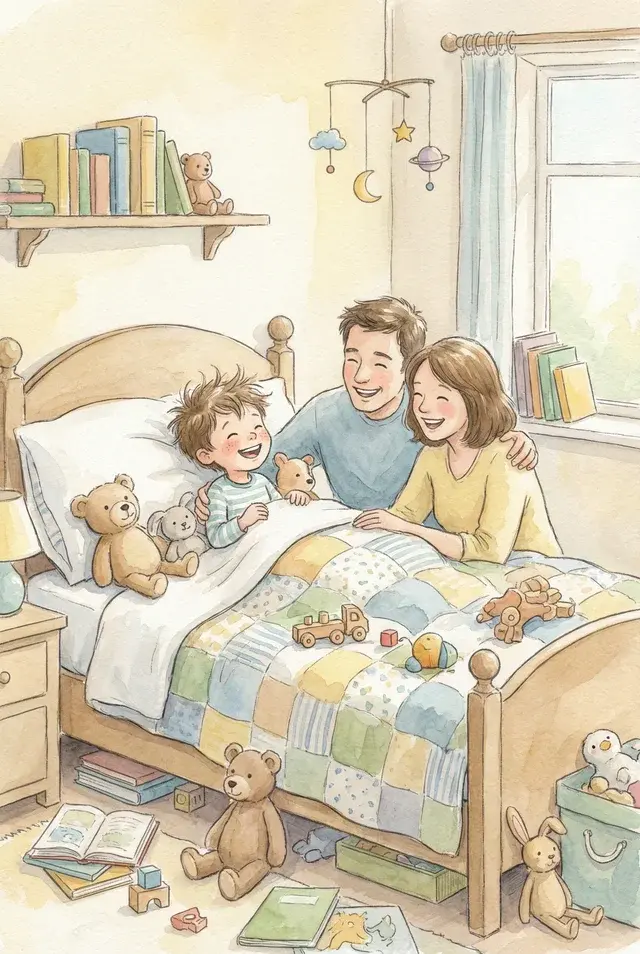
Furthermore, personalized learning stories create opportunities for parent-child conversations about learning, challenges, and growth. Research shows that when parents read personalized learning books with their children, it creates natural opportunities for discussing the learning process, addressing frustrations, and providing encouragement. These conversations strengthen parent-child bonds while supporting children's skill development. Studies indicate that families who engage with personalized learning books together show improved communication about learning and stronger parent-child relationships around skill acquisition.
Key insight 5
The research evidence strongly supports the use of personalized learning stories for building confidence and supporting fine motor skill acquisition. These books combine motor learning principles, motivation research, and growth mindset education to create comprehensive tools for skill development. When thoughtfully designed with child-specific challenges and personalized elements, learning stories become powerful vehicles for building confidence, teaching persistence, and promoting successful skill acquisition. For families seeking meaningful ways to support their children's fine motor skill learning while building confidence and persistence, personalized shoelace learning stories represent a research-backed solution that transforms frustration into confidence and challenges into achievements.