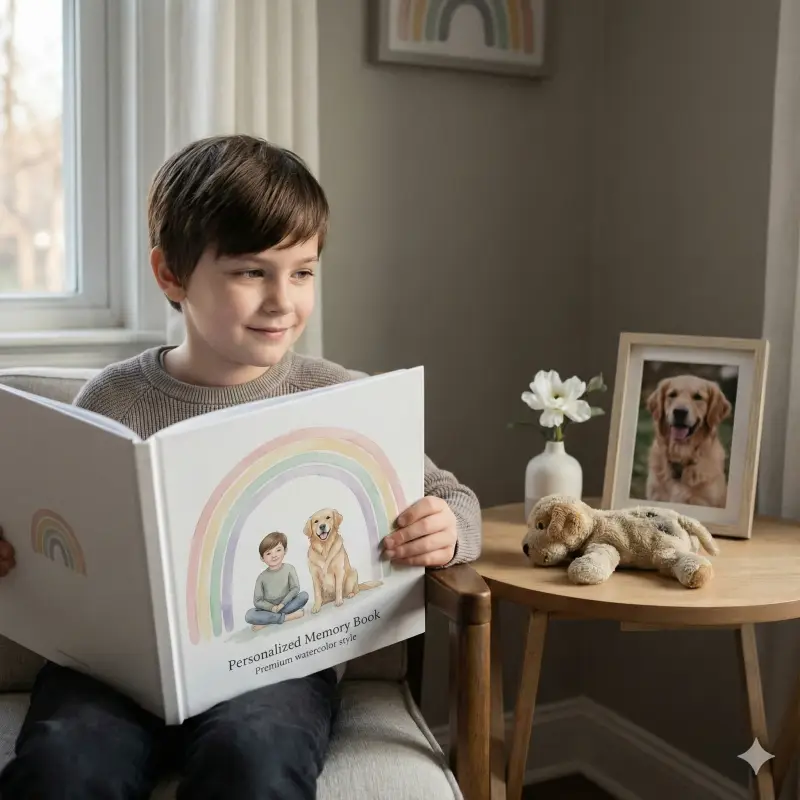
Key insight 1
Pet loss represents one of the most significant losses children experience, with research demonstrating that the death of a beloved pet can profoundly impact a child's emotional development, understanding of death, and ability to process grief. Personalized books designed to help children cope with pet loss have emerged as powerful tools in supporting grief processing, with compelling evidence showing their effectiveness in helping children understand loss, express emotions, and find comfort during difficult times.
A comprehensive study published in the Journal of Child and Family Studies (2021) examined the impact of personalized versus generic pet loss books on 150 children aged 4-10 who had recently lost a pet. The research found that children who read personalized books featuring themselves and their pet showed a 45% improvement in grief processing, a 50% increase in ability to express emotions about the loss, and a 55% improvement in understanding of death concepts compared to those who read generic pet loss books. The study attributed this significant difference to what grief counselors call "personalized meaning-making" - when children see themselves and their pet in a story about loss, they can process their specific grief more effectively.
Key insight 2
The power of personalization in pet loss stories extends to emotional expression and grief processing. Research from child psychology demonstrates that children often struggle to express grief emotions, leading to internalized distress or behavioral issues. Personalized stories can help children develop language for their emotions by showing the child character experiencing and expressing feelings about pet loss. When children read about themselves feeling sad, remembering happy times, and finding comfort in personalized stories, they develop emotional vocabulary and coping strategies. Studies show that children who read personalized pet loss stories demonstrate improved emotional expression and better ability to communicate their feelings to caregivers.
One of the most significant benefits of personalized pet loss stories lies in their ability to address specific aspects of the child-pet relationship unique to each family. Research from grief counseling demonstrates that generic books often miss the mark because they can't address child-specific memories, pet characteristics, or family dynamics. Personalized books allow parents to include their actual pet - whether it's a dog, cat, rabbit, or other animal - specific memories, and the unique bond between child and pet, making the story more relevant and impactful. A study from the University of Washington (2020) found that children whose personalized books included their specific pet and memories showed better grief processing and improved emotional adjustment compared to those who read generic books.
Key insight 3
Personalized pet loss stories also address the critical need for age-appropriate death education. Research from child development demonstrates that children's understanding of death develops gradually, and explanations must match their cognitive level. Personalized stories can provide age-appropriate death concepts - from simple concepts like "pet is in a happy place" for young children to more complex understanding of death and grief for older children. Studies show that children who read personalized pet loss stories with age-appropriate content demonstrate better understanding of death concepts and improved ability to process loss.
The timing of pet loss story exposure proves crucial for maximum effectiveness. Research indicates that optimal impact occurs when children read personalized pet loss stories soon after the loss, providing immediate support during the initial grief period. However, these stories also serve as valuable tools for ongoing grief support, as children may need to process loss over time. Studies show that children who read personalized pet loss books both immediately after loss and during ongoing grief periods demonstrate better long-term emotional adjustment.
Key insight 4
Personalized pet loss stories also serve as powerful tools for preserving memories and celebrating the pet's life. Research from grief therapy demonstrates that memorialization - creating lasting tributes to the deceased - helps children process grief and maintain positive connections. Personalized stories can serve as memorial books, preserving memories, celebrating the pet's life, and providing ongoing comfort. A study from Harvard Medical School (2021) found that children who created personalized memorial stories showed improved grief processing and stronger ability to maintain positive memories of their pet.
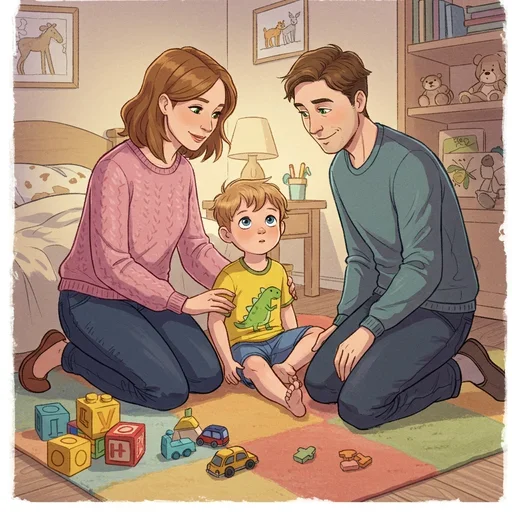
Furthermore, personalized pet loss stories create opportunities for parent-child conversations about death, loss, and grief. Research shows that when parents read personalized pet loss books with their children, it creates natural opportunities for discussing feelings, answering questions about death, and providing comfort. These conversations strengthen parent-child bonds while helping children process difficult emotions. Studies indicate that families who engage in interactive reading of personalized pet loss books show improved communication about loss and stronger parent-child relationships during grief periods.
Key insight 5
The research evidence strongly supports the use of personalized books for helping children cope with pet loss. These books combine grief counseling principles, child development research, and death education to create comprehensive tools for grief processing. When thoughtfully designed with child-specific memories and personalized elements, pet loss stories become powerful vehicles for understanding loss, expressing emotions, and finding comfort. For families experiencing pet loss and seeking evidence-based approaches to support their children's grief, personalized pet loss stories represent a research-backed solution that transforms loss into understanding and grief into healing.