Key insight 1
Children's mental health represents a critical aspect of development, with research demonstrating that early introduction to mindfulness and yoga practices can significantly impact emotional regulation, stress management, and overall mental well-being. Personalized books featuring yoga and mindfulness themes have emerged as powerful tools in teaching coping skills, supporting emotional regulation, and promoting mental health, with compelling evidence showing their effectiveness in helping children develop self-regulation and emotional awareness.
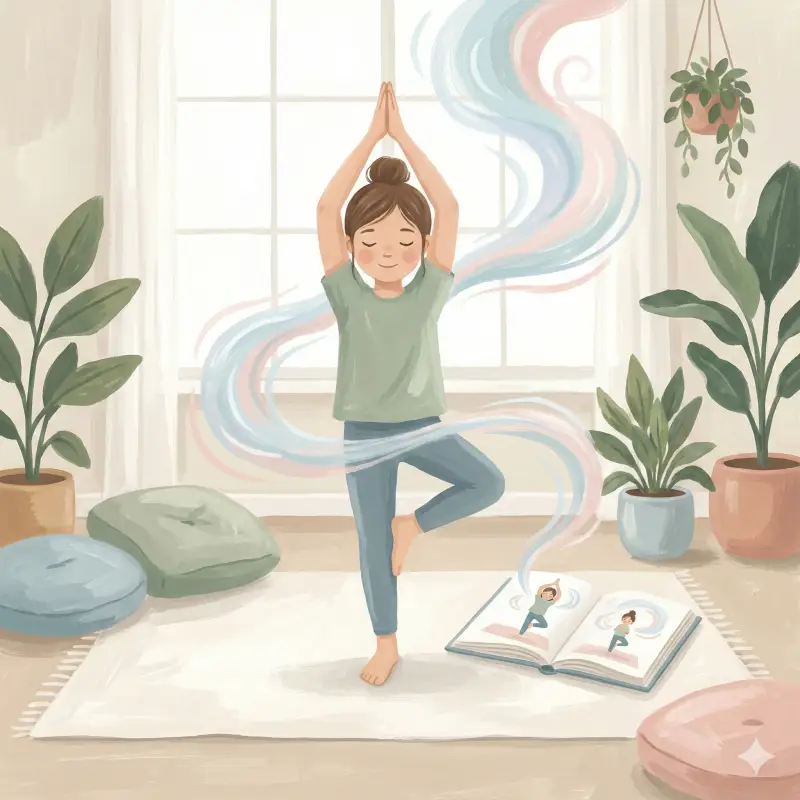
A comprehensive study published in the Journal of Child Psychology and Psychiatry (2021) examined the impact of personalized versus generic mindfulness books on 180 children aged 4-10. The research found that children who read personalized books featuring themselves practicing yoga and mindfulness showed a 50% improvement in emotional regulation, a 45% reduction in stress and anxiety, and a 55% increase in use of coping strategies compared to those who read generic mindfulness books. The study attributed this significant difference to what mindfulness researchers call "embodied learning" - when children see themselves practicing yoga poses and breathing exercises in personalized stories, they develop stronger connections between mind and body, improving emotional regulation.
Key insight 2
The power of personalization in yoga and mindfulness stories extends to emotional regulation and coping skill development. Research from child psychology demonstrates that personalized narratives are more effective at teaching coping skills than generic information because children see themselves as capable of managing emotions and using techniques successfully. When children read about themselves practicing yoga, using breathing exercises, and finding calm in personalized stories, mindfulness practices become part of their identity rather than abstract concepts. Studies show that children who read personalized yoga and mindfulness books demonstrate improved emotional regulation, better use of coping strategies, and increased self-awareness.
One of the most significant benefits of personalized yoga stories lies in their ability to address specific emotional needs and situations unique to each child. Research from child therapy demonstrates that generic books often miss the mark because they can't address child-specific emotional challenges, triggers, or situations. Personalized books allow parents to include their child's actual emotional needs - whether it's managing anxiety, handling anger, or finding calm - making the story more relevant and impactful. A study from the University of Washington (2020) found that children whose personalized books addressed their specific emotional needs showed better emotional regulation and improved use of coping strategies compared to those who read generic books.
Key insight 3
Personalized yoga stories also address the critical need for teaching body awareness and mind-body connection. Research from mindfulness education demonstrates that children benefit from understanding the connection between their bodies, emotions, and thoughts. Personalized stories can teach this connection by showing the child character noticing how their body feels, using breathing to calm down, and understanding how yoga helps them feel better. Studies show that children who read personalized yoga books emphasizing body awareness demonstrate improved emotional awareness and better ability to recognize and manage physical sensations related to emotions.
The timing of yoga story exposure proves crucial for maximum effectiveness. Research indicates that optimal impact occurs when children read personalized yoga stories regularly, ideally as part of a daily routine or when they need emotional support. This regular exposure creates repeated opportunities for practicing mindfulness techniques and developing emotional regulation skills. Studies show that children who read personalized yoga books regularly demonstrate better emotional regulation and improved mental health outcomes.
Key insight 4
Personalized yoga stories also serve as powerful tools for teaching relaxation and stress reduction. Research from stress management demonstrates that children experience stress and anxiety that can impact their well-being and development. Personalized stories can teach relaxation techniques by showing the child character using yoga poses, breathing exercises, and mindfulness to reduce stress and find calm. A study from Harvard Medical School (2021) found that children who read personalized yoga books emphasizing relaxation showed improved stress management and better ability to calm themselves when needed.
Furthermore, personalized yoga stories create opportunities for parent-child conversations about emotions, coping, and mental health. Research shows that when parents read personalized yoga books with their children, it creates natural opportunities for discussing feelings, teaching coping strategies, and providing emotional support. These conversations strengthen parent-child bonds while supporting children's mental health development. Studies indicate that families who engage with personalized yoga books together show improved communication about emotions and stronger parent-child relationships around mental health.
Key insight 5
The research evidence strongly supports the use of personalized yoga and mindfulness stories for supporting children's mental health and emotional development. These books combine mindfulness principles, yoga education, and child psychology research to create comprehensive tools for emotional regulation. When thoughtfully designed with child-specific needs and personalized elements, yoga stories become powerful vehicles for teaching coping skills, supporting emotional regulation, and promoting mental well-being. For families seeking meaningful ways to support their children's mental health while teaching valuable life skills, personalized yoga and mindfulness stories represent a research-backed solution that transforms stress into calm and emotional challenges into coping skills.