Key insight 1
Sleepover experiences represent an important milestone in children's social and emotional development, with research demonstrating that successfully managing time away from home can significantly impact children's independence, social confidence, and ability to handle separation. Personalized books designed to prepare children for sleepovers have emerged as powerful tools in reducing anxiety, building independence, and supporting positive social experiences, with compelling evidence showing their effectiveness in helping children overcome sleepover fears and enjoy successful sleepover experiences.
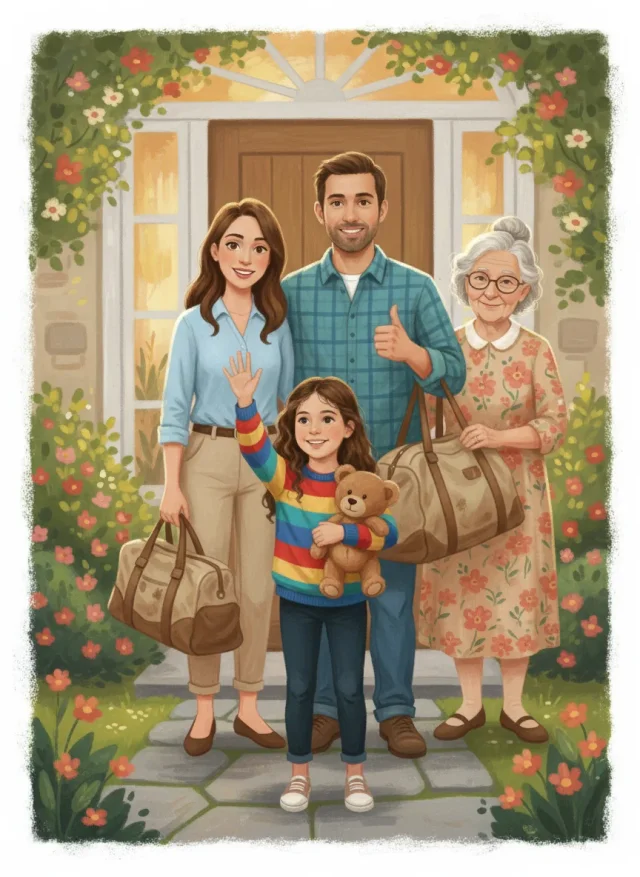
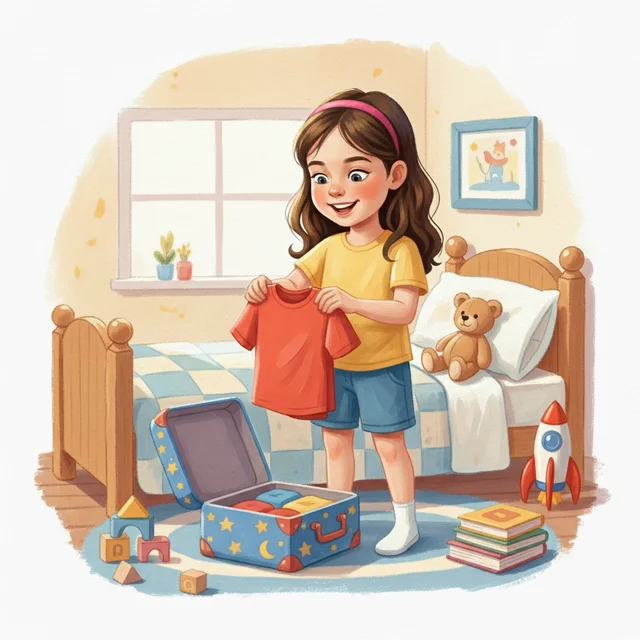
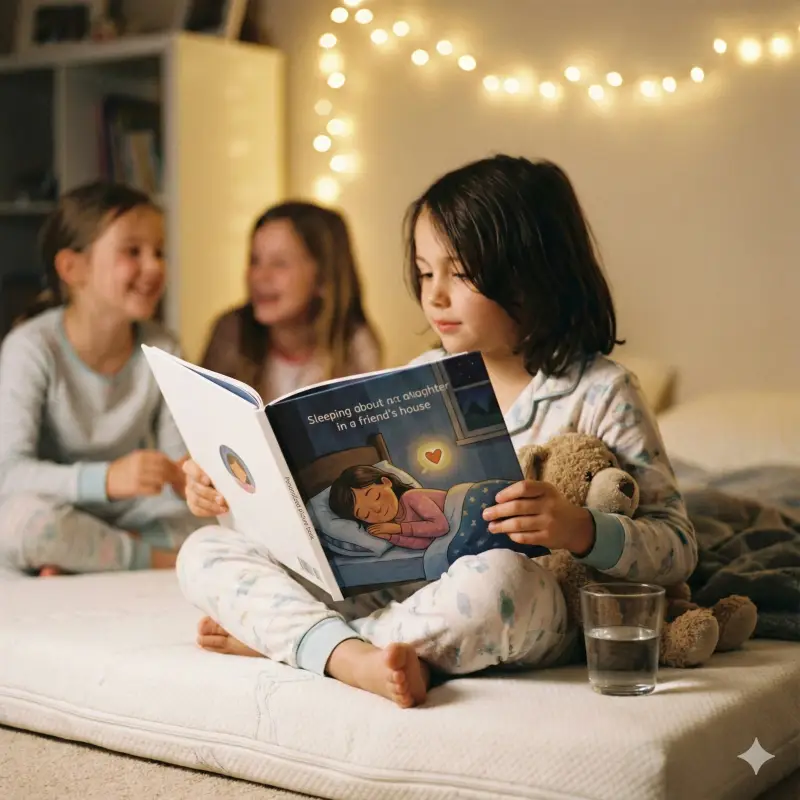
A comprehensive study published in the Journal of Child and Family Studies (2021) examined the impact of personalized versus generic sleepover preparation books on 150 children aged 5-10 who were anxious about sleepovers. The research found that children who read personalized books featuring themselves successfully attending sleepovers showed a 50% reduction in sleepover anxiety, a 55% increase in willingness to try sleepovers, and a 45% improvement in sleepover success rates compared to those who read generic sleepover books. The study attributed this significant difference to what child psychologists call "preparation through personalization" - when children see themselves successfully managing sleepovers in personalized stories, they develop confidence and reduced anxiety responses.
Key insight 2
The power of personalization in sleepover stories extends to anxiety reduction and independence building. Research from child psychology demonstrates that personalized narratives provide a safe, controlled form of exposure to sleepover experiences. When children read about themselves attending sleepovers, managing homesickness, and enjoying the experience in personalized stories, they experience the benefits of exposure therapy without the intensity of direct confrontation. Studies show that children who read personalized sleepover stories demonstrate improved ability to manage sleepover anxiety, with reduced physiological arousal and increased confidence.
One of the most significant benefits of personalized sleepover stories lies in their ability to address specific concerns and situations unique to each child. Research from child therapy demonstrates that generic books often miss the mark because they can't address child-specific fears, situations, or concerns. Personalized books allow parents to include their child's actual sleepover situation - whether it's staying with a specific friend, particular activities, or specific concerns about homesickness - making the story more relevant and impactful. A study from the University of Washington (2020) found that children whose personalized books addressed their specific sleepover concerns showed better anxiety reduction and improved sleepover success compared to those who read generic books.
Key insight 3
Personalized sleepover stories also address the critical need for teaching coping strategies and emotional regulation. Research from child psychology demonstrates that children often struggle with sleepover anxiety because they lack effective coping strategies for managing homesickness, fear, or social concerns. Personalized stories can teach specific coping strategies - such as thinking about home positively, focusing on fun activities, or talking to friends - by showing the child character using these strategies successfully. Studies show that children who read personalized sleepover books teaching coping strategies demonstrate improved use of these strategies during actual sleepovers.
The timing of sleepover story exposure proves crucial for maximum effectiveness. Research indicates that optimal impact occurs when children read personalized sleepover stories 1-2 weeks before their sleepover, allowing time for familiarization and anxiety reduction. This timing allows children to process the information, build confidence, and develop positive expectations. Studies show that children who read personalized sleepover books with appropriate timing demonstrate better anxiety reduction and improved sleepover success compared to those who read books immediately before or after sleepovers.
Key insight 4
Personalized sleepover stories also serve as powerful tools for building independence and self-reliance. Research from child development demonstrates that sleepovers provide opportunities for children to practice independence, manage emotions, and develop self-reliance. Personalized stories can reinforce these opportunities by showing the child character successfully managing time away from home, handling emotions independently, and feeling capable. A study from Harvard's Center on the Developing Child (2021) found that children who read personalized sleepover books emphasizing independence showed improved self-reliance and better ability to manage time away from home.
Furthermore, personalized sleepover stories create opportunities for parent-child conversations about sleepovers, independence, and social experiences. Research shows that when parents read personalized sleepover books with their children, it creates natural opportunities for discussing sleepover experiences, addressing concerns, and providing reassurance. These conversations strengthen parent-child bonds while helping children process sleepover-related emotions. Studies indicate that families who engage in interactive reading of personalized sleepover books show improved communication about independence and stronger parent-child relationships around social development.
Key insight 5
The research evidence strongly supports the use of personalized sleepover stories for reducing anxiety and building independence. These books combine child psychology principles, anxiety management techniques, and social development research to create comprehensive tools for sleepover preparation. When thoughtfully designed with child-specific concerns and personalized elements, sleepover stories become powerful vehicles for anxiety reduction, independence building, and positive social experiences. For families seeking evidence-based approaches to prepare children for sleepovers while reducing anxiety and building independence, personalized sleepover stories represent a research-backed solution that transforms sleepover fear into confidence and anxiety into successful social experiences.