Parenting Tips
Conquering Fear of the First Dentist Visit
By Mary Johnson
The waiting room air smells faintly of mint and antiseptic-a scent that, for many children, triggers an immediate "hold me" reflex.
You've seen it before: the way your child grips your hand until their knuckles turn white the moment they spot the large dental chair or hear the high-pitched hum of a polishing tool. It isn't just "being difficult." To a small child, these clinical sounds and unfamiliar tools can feel like a daunting, overwhelming world. You want to tell them it's okay, but sometimes words aren't enough to quiet the flutter of anxiety in their chest.
Why Do Dental Visits Feel So Big?
For a toddler or a young child, anything involving "scary" noises or procedures feels massive because they lack the context that these things are routine for adults. They don't know yet that the drill is just a tool and the bib is just to keep them clean-all they know is that their environment has changed into something unfamiliar.
When we can't explain the "why" simply enough, we can offer them a way to process it through imagination. This is where the power of narrative comes in. By moving the focus from the procedure to the adventure, we give them a sense of agency.
Turning Fear into a Narrative Quest
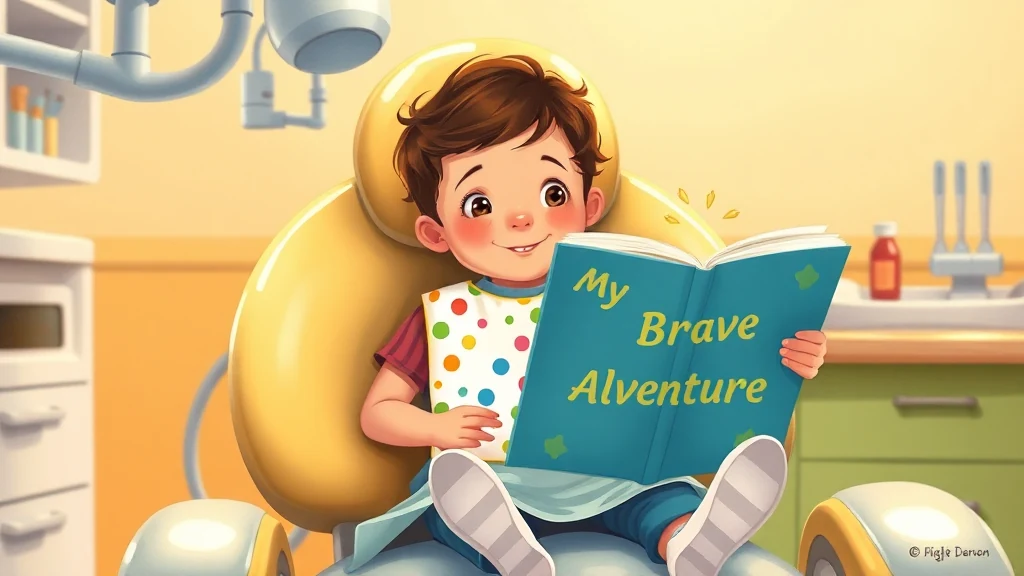
Instead of just telling your child they need to be brave, you can invite them into a story where they are the hero. When a child sees themselves as the protagonist of a quest-where they face "scary" things and come out stronger-it changes their internal chemistry.
If you want to create a custom journey for your child to read before their next appointment, you can start your book in the studio to craft a story where they are the hero of their own bravery.
Quick Tip: Use "bravery" vocabulary. Instead of saying "Don't be scared," try saying, "You have such a brave heart today." It validates their feelings while encouraging courage.
Making the Experience Familiar
One of the most effective ways to lower anxiety is through repetition and preparation. This doesn't just happen in the dentist's chair; it starts at home during storytime.
When you read about characters who face challenges-like a dragon that needs its scales polished or a knight getting a "magic shield" (a protective mask)-the child begins to build a mental roadmap for their own visit. This sense of preparation is often the key to a calmer experience. For more on how storytelling supports this, check out our guide on how personalized books address common childhood fears.
Practical Ways to Prep for the Appointment
- The "Hero" Cape: Let them wear a special "brave cape" (a blanket works great!) during the wait.
- Visit the "Kingdom": If possible, take a practice trip to the office just to see the chairs and say hello to the staff without any tools involved.
- The Reward Map: Create a simple visual map of their "quest." They start at the front desk (the gate), move through the waiting room (the hall of heroes), and finish with a special sticker or treat.
The Long-Term Win: Building Confidence
Every time your child faces a daunting situation-like a dental checkup-and feels supported by a narrative they can relate to, they build "self-efficacy." They learn that while things might feel big or scary at first, they have the inner strength to see them through.
By using personalized stories to navigate these hurdles, you aren't just getting through one appointment; you are building a toolkit of confidence they will use for every "scary" thing they encounter as they grow.
Ready to turn your child's next big hurdle into a hero's journey? Explore more ways to build confidence through narrative.